THE OTHER COLLECTION
UNDERGRADUATE THESIS - FASHION DESIGN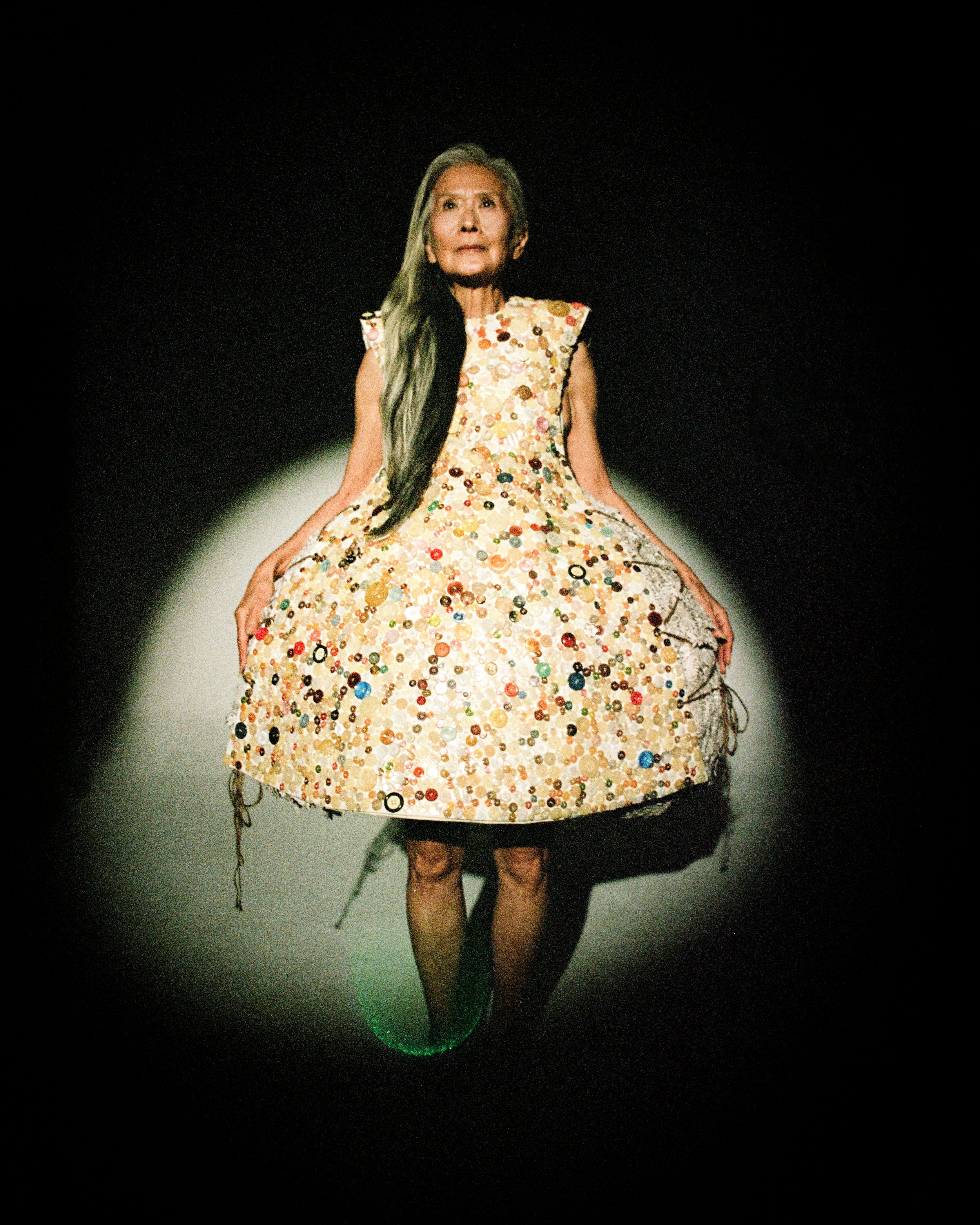
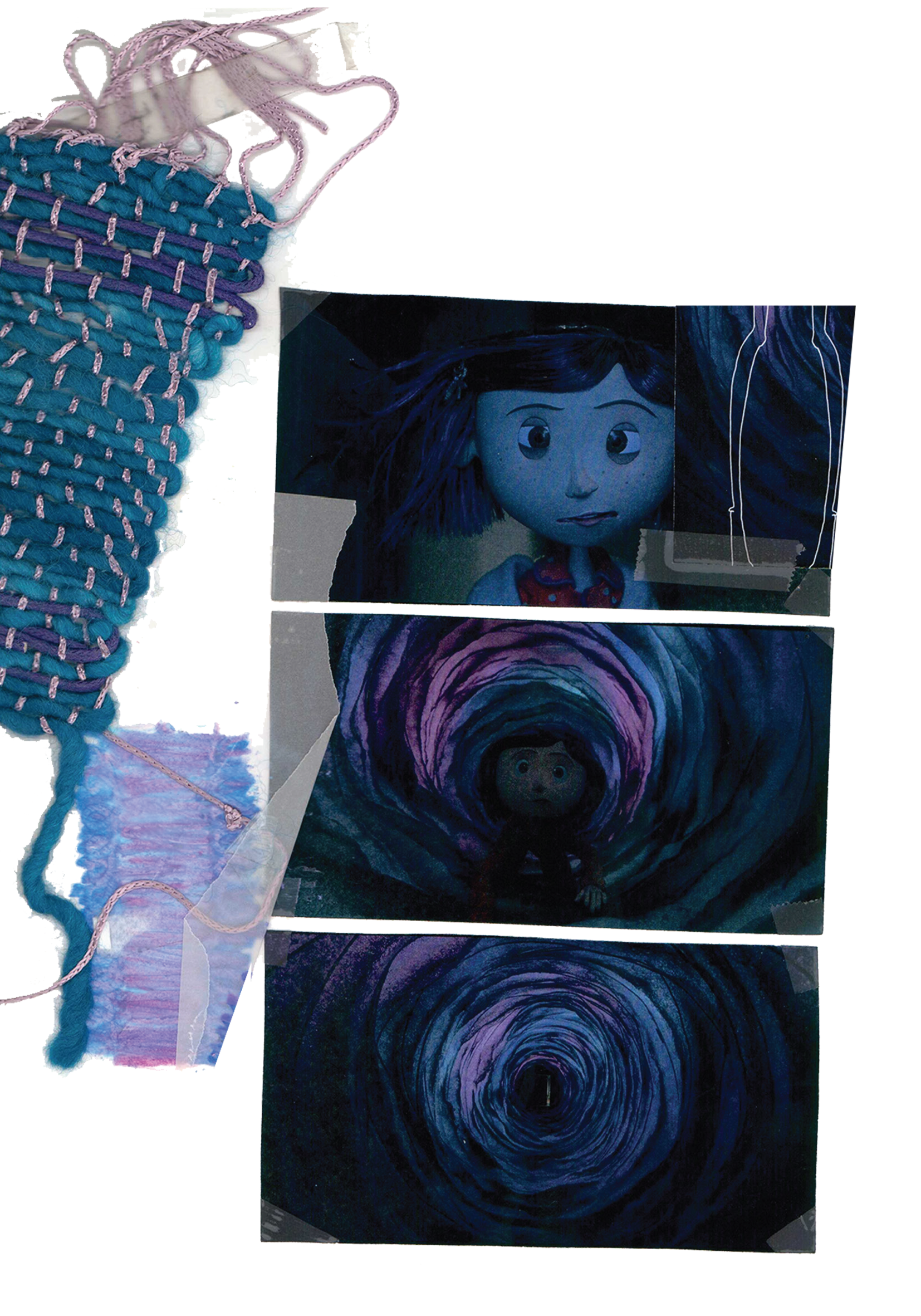
"The Other Collection” was developed as my undergraduate thesis in Fashion Design. Inspired by the movie “Coraline”, the project involved building a complete authorial collection, from research and visual development to material experimentation and final presentation. The work investigates how narrative, atmosphere and character psychology can be translated into form, treating fashion as a tool for storytelling.
FROM FILM TO FORM
Date of production: Spring Semester, 2024
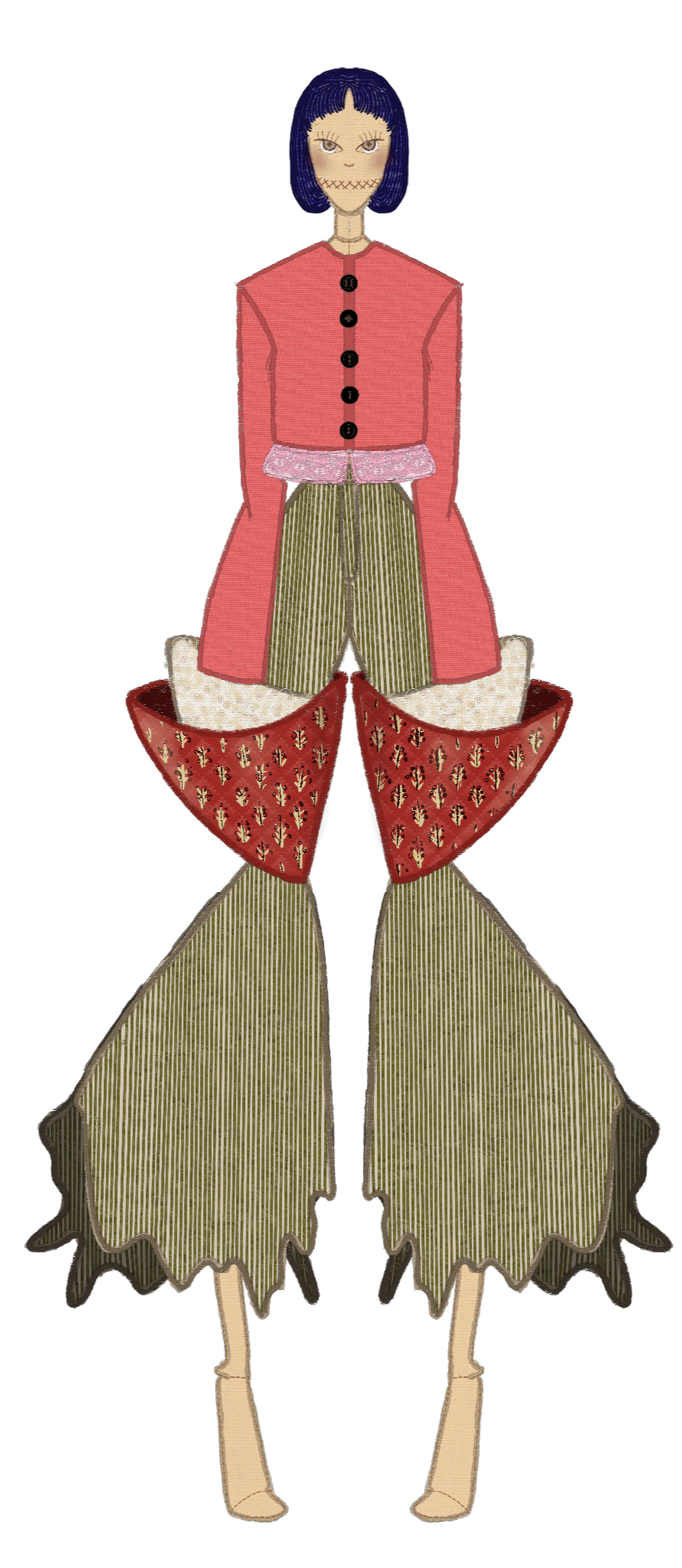
Technique: Digital drawing (fashion croquis), collages and sketches
Genre/Function: Collection development, Fashion Design, Sketchbook
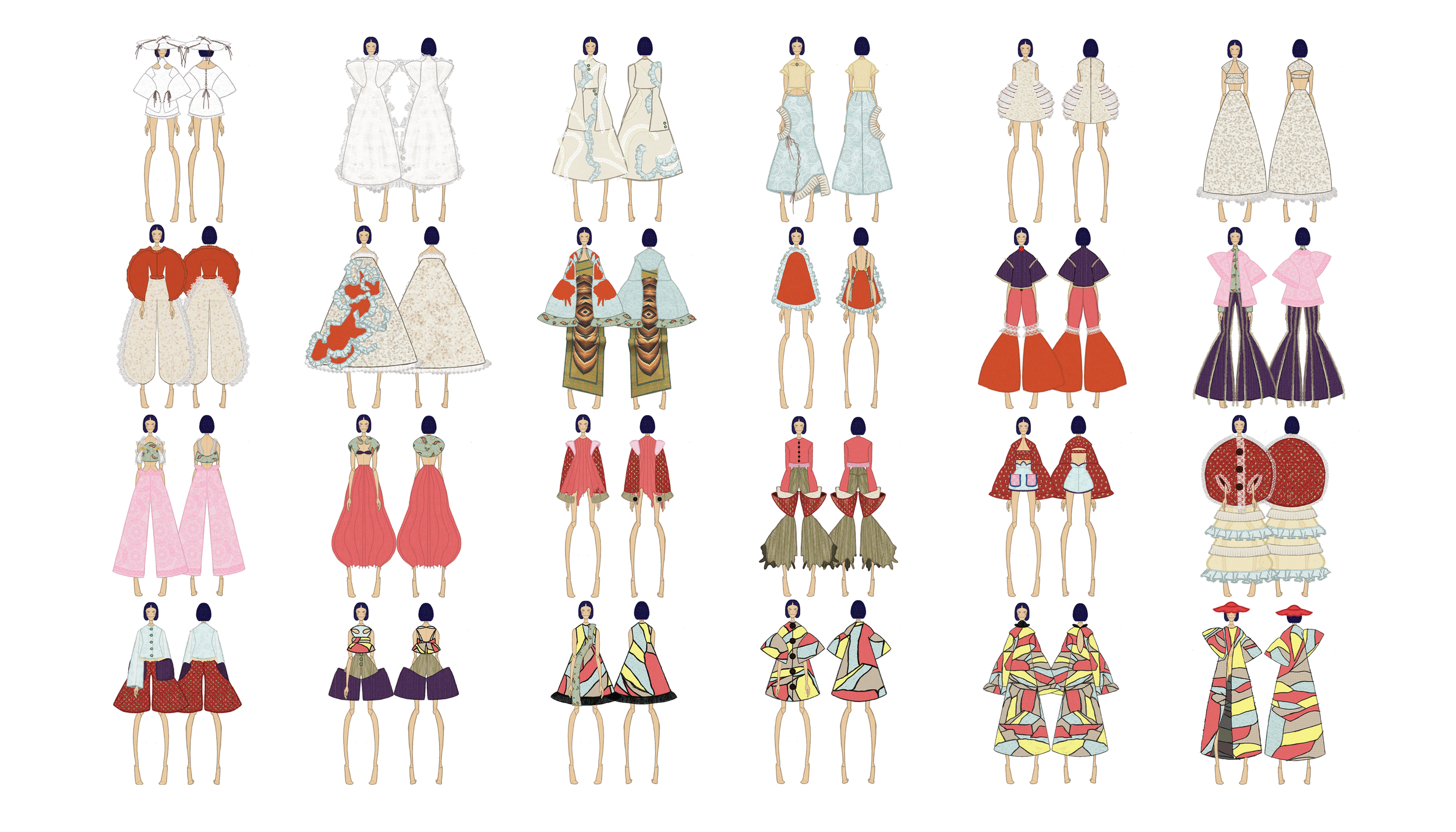
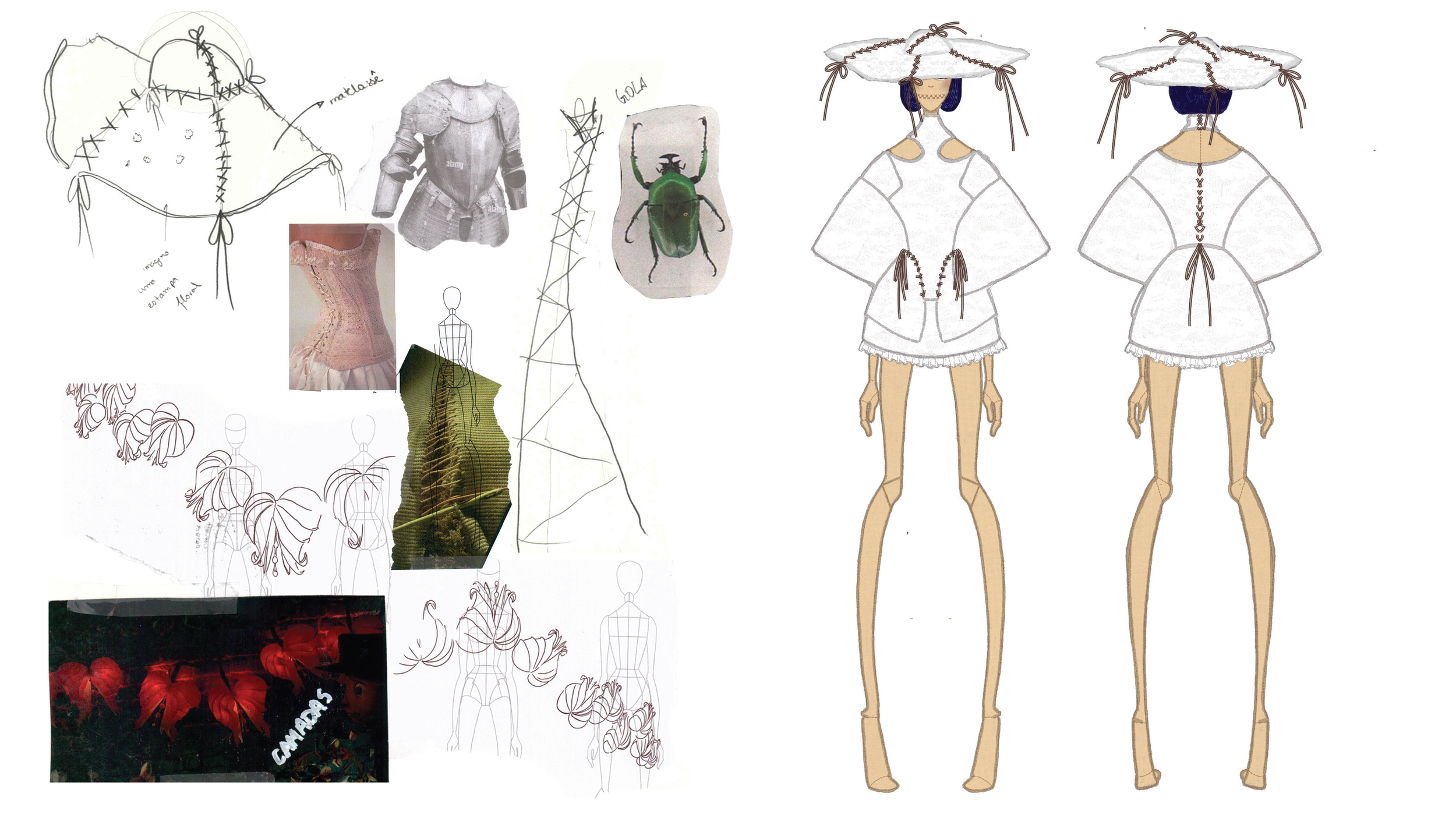
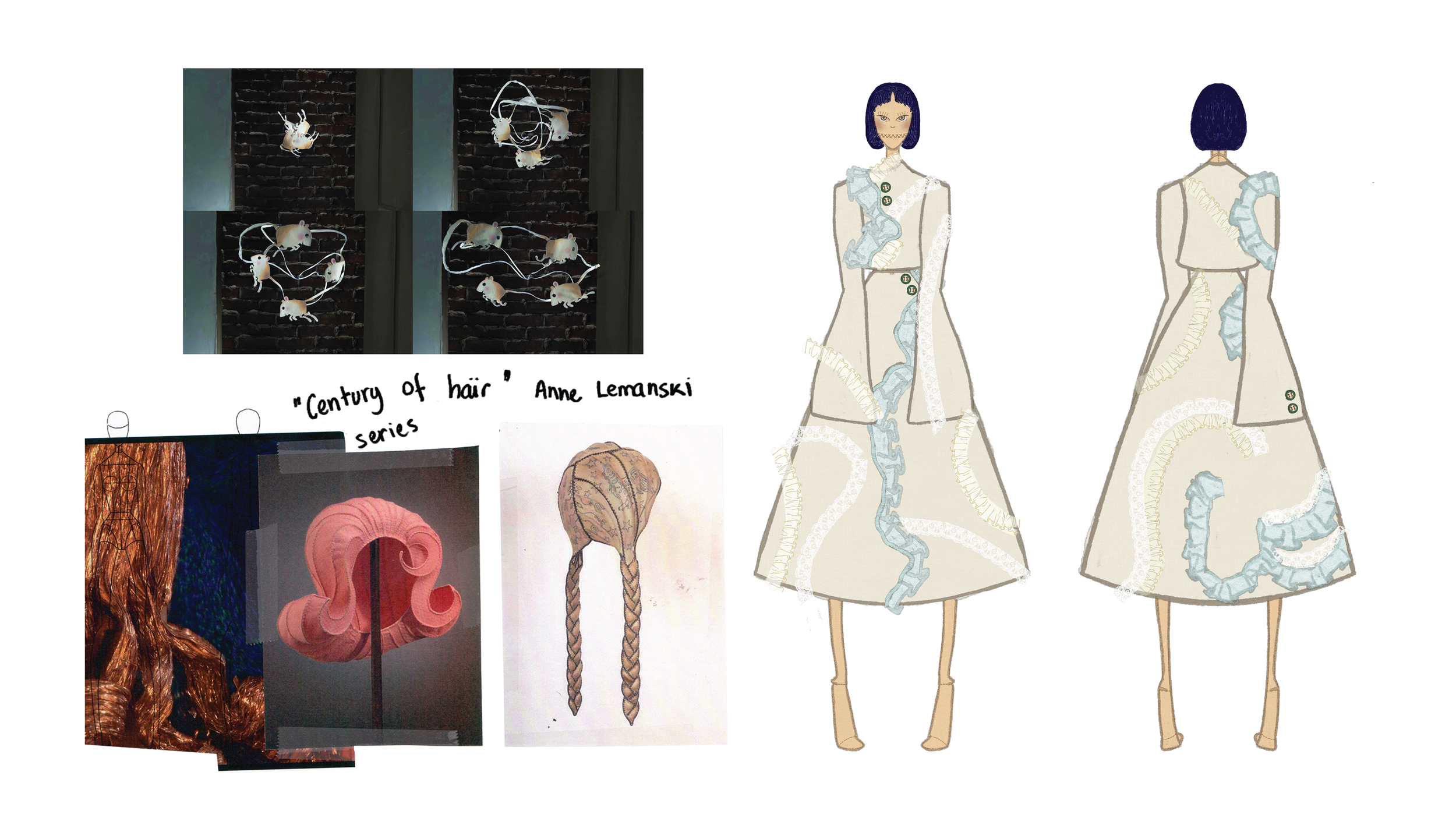
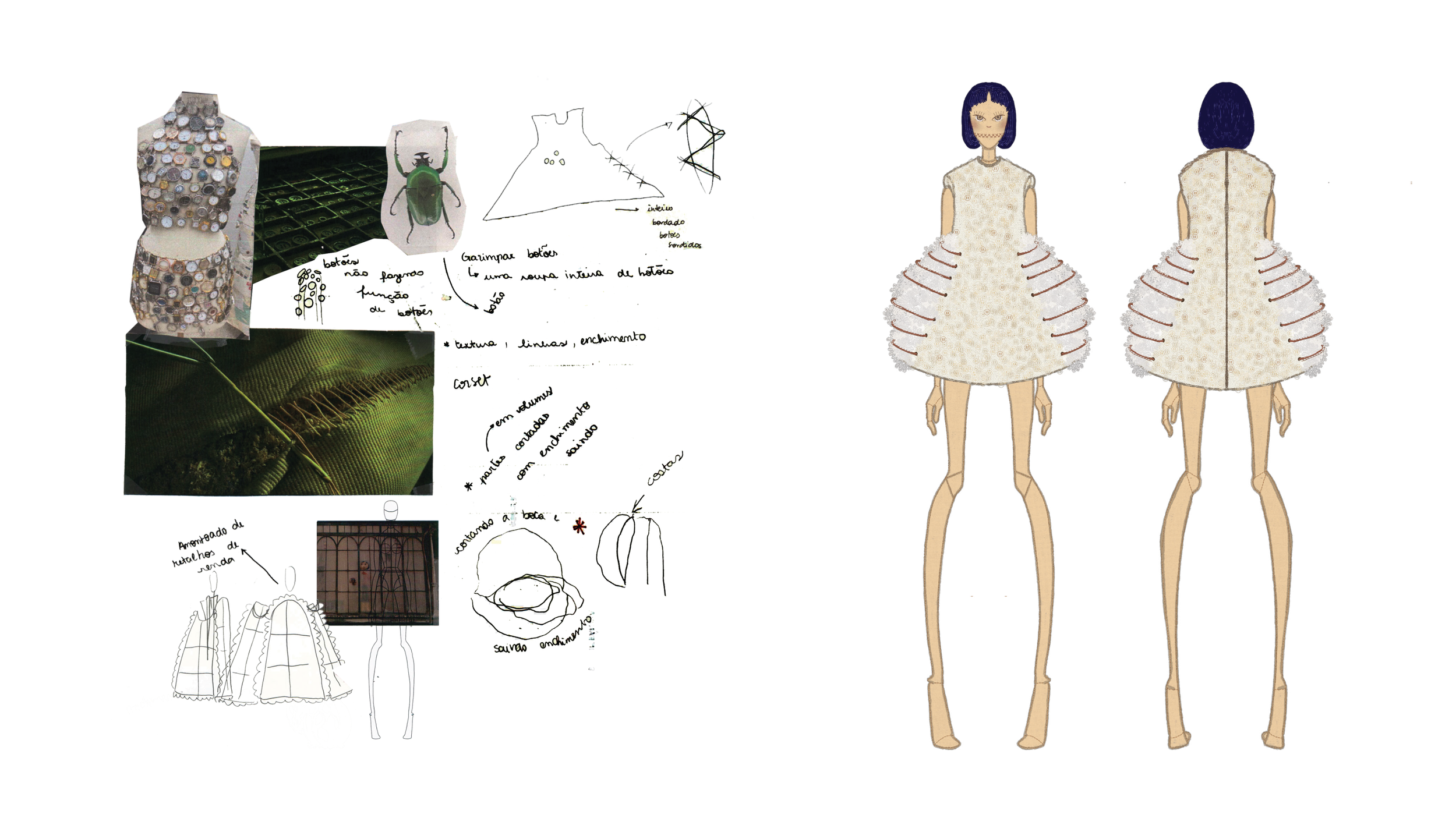
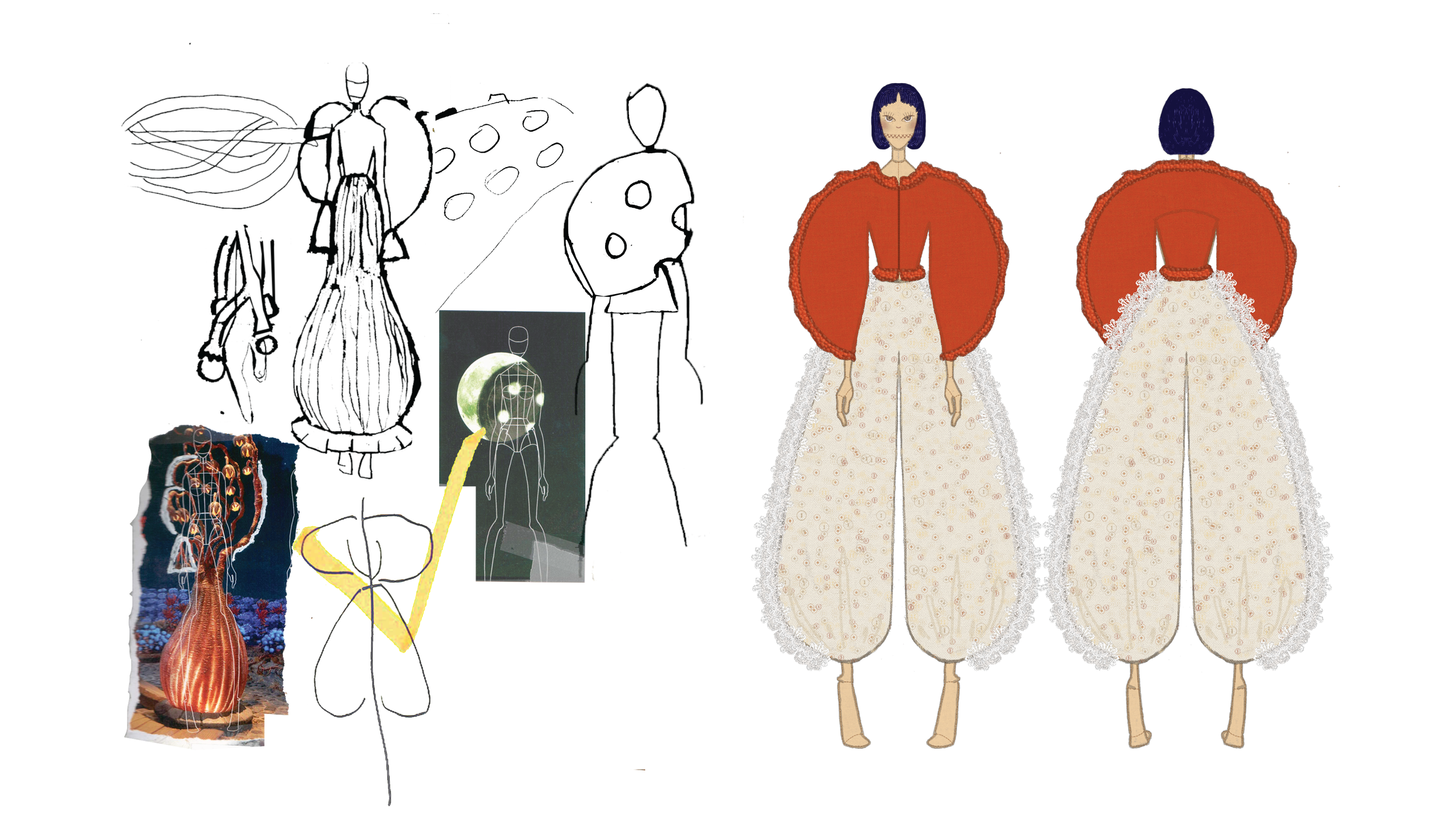
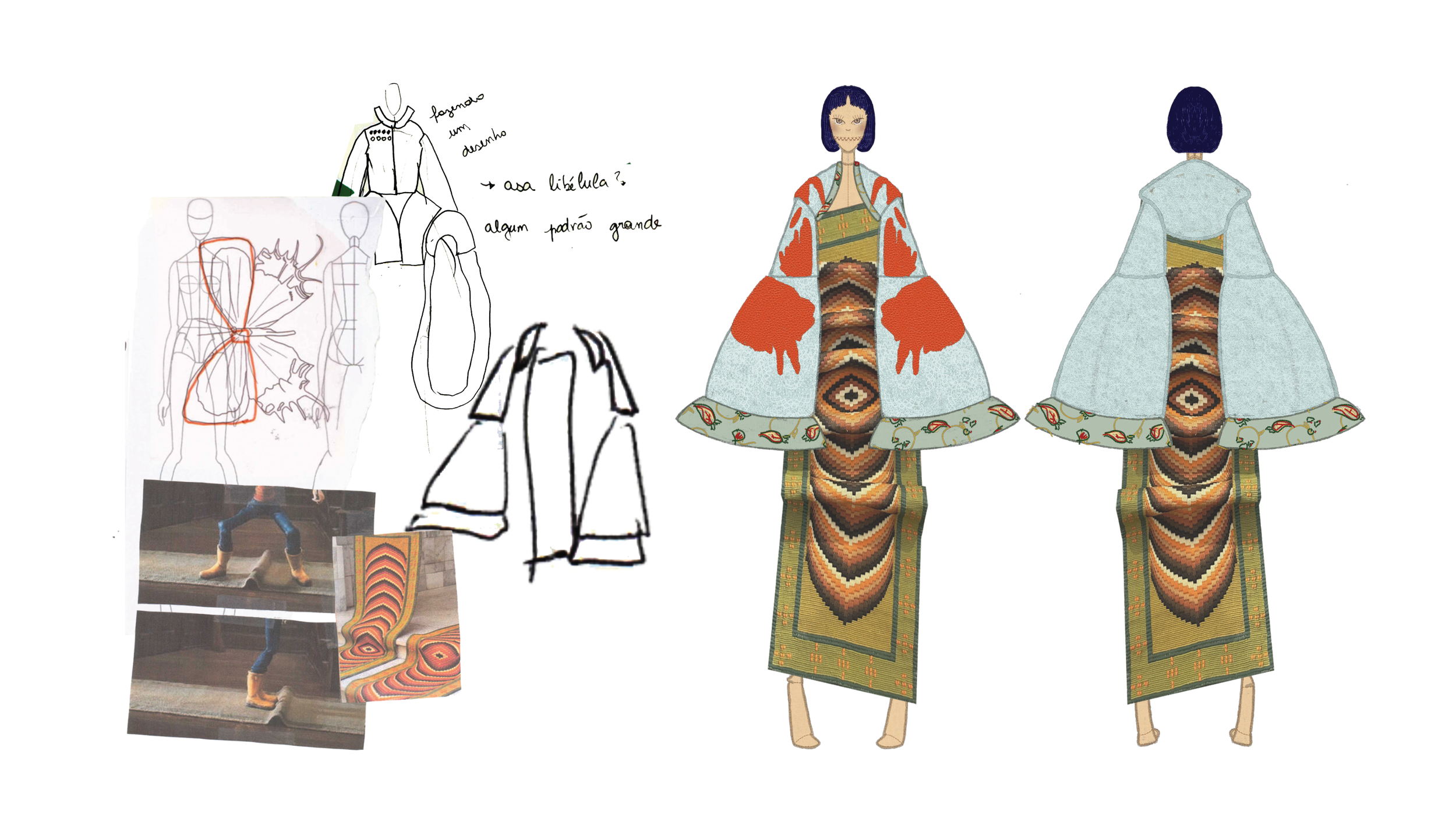
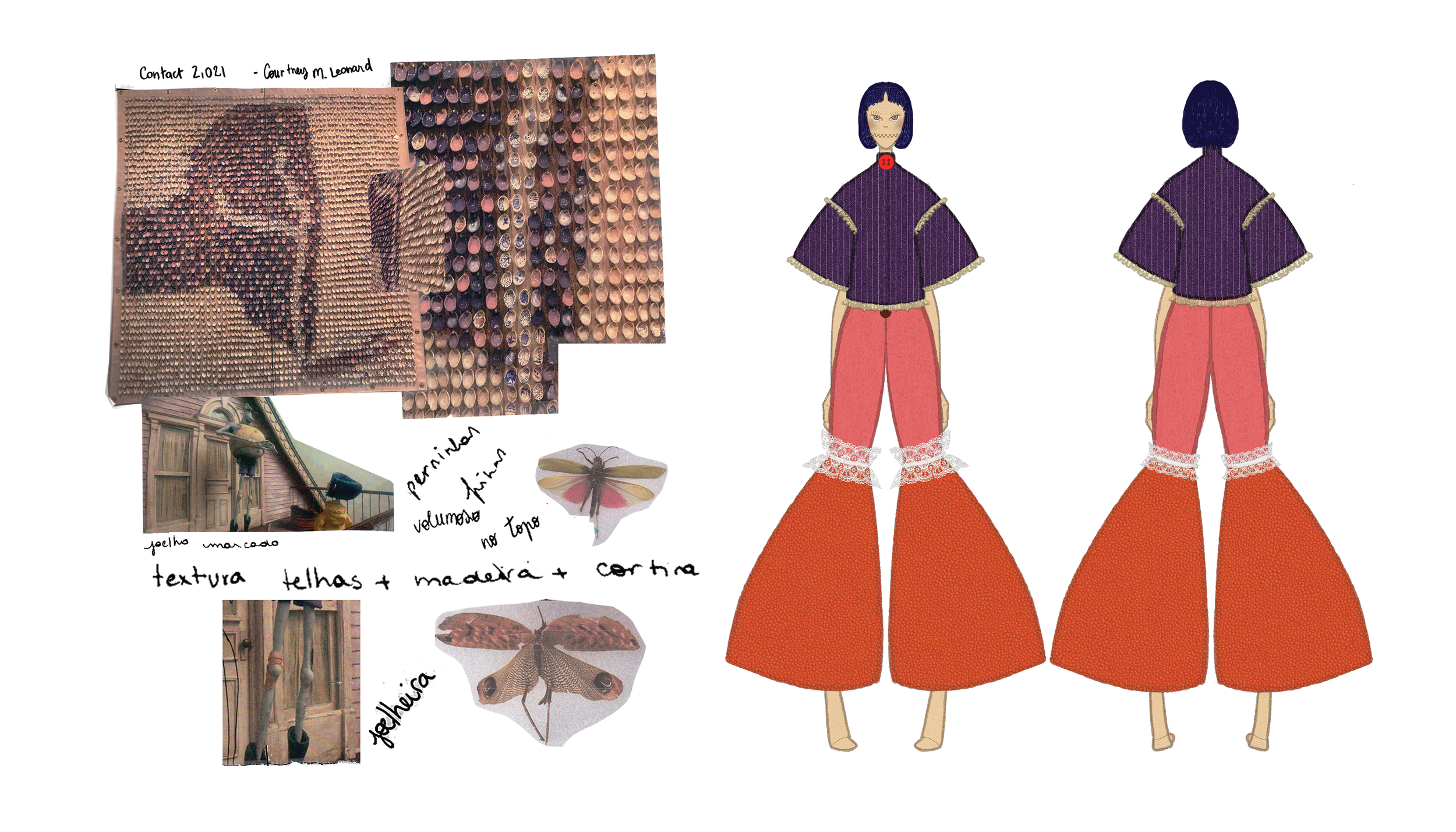
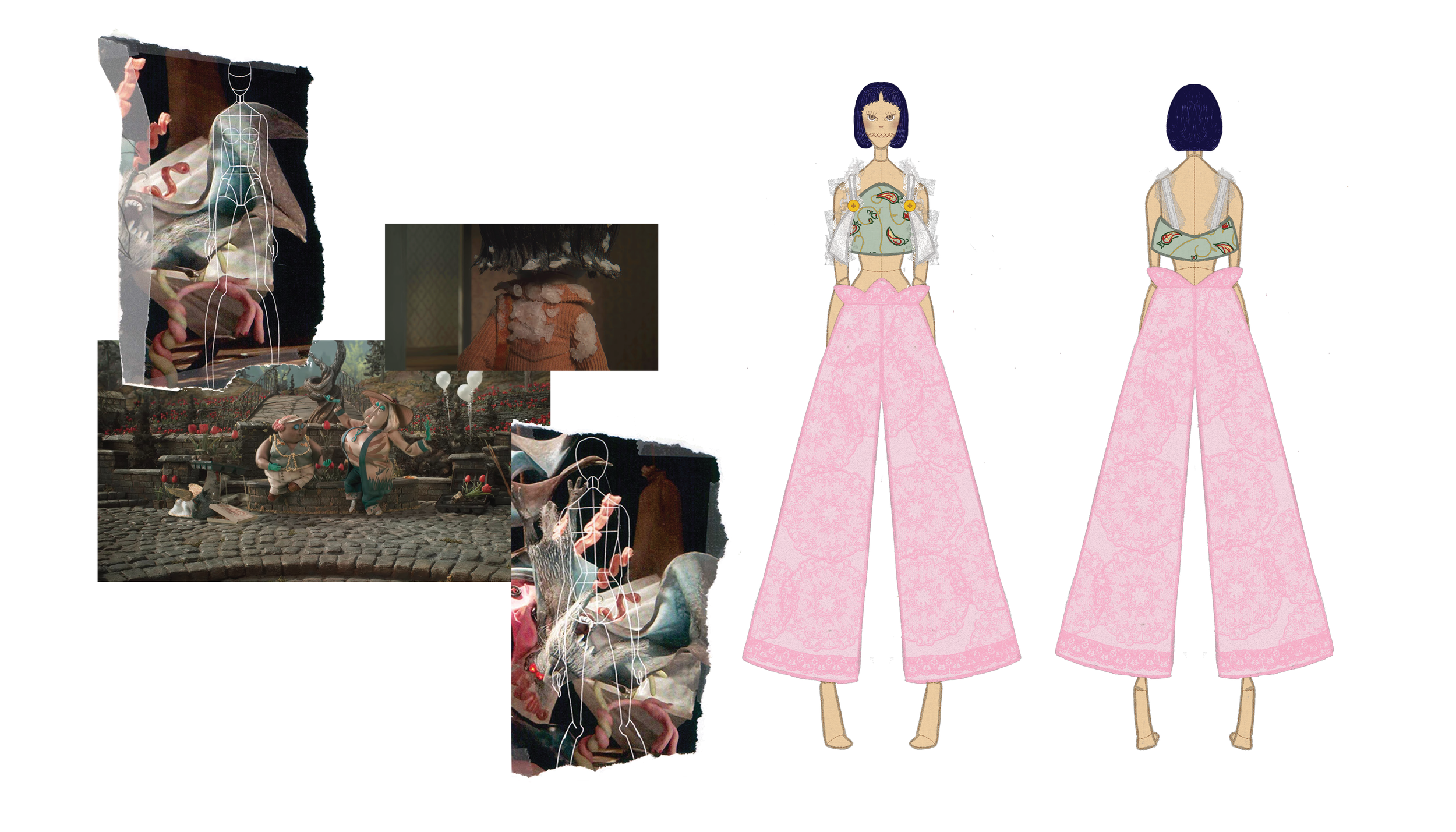
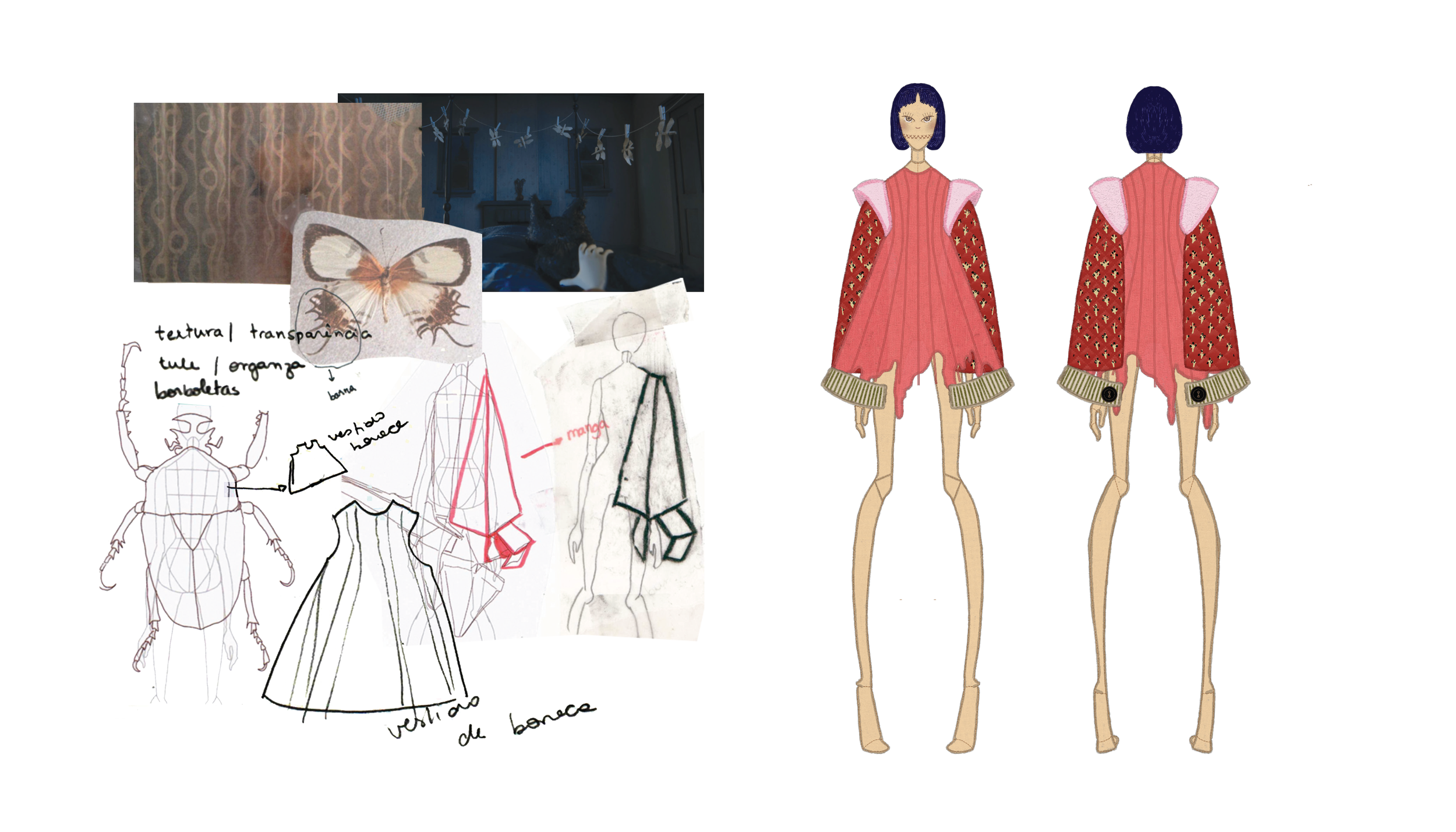
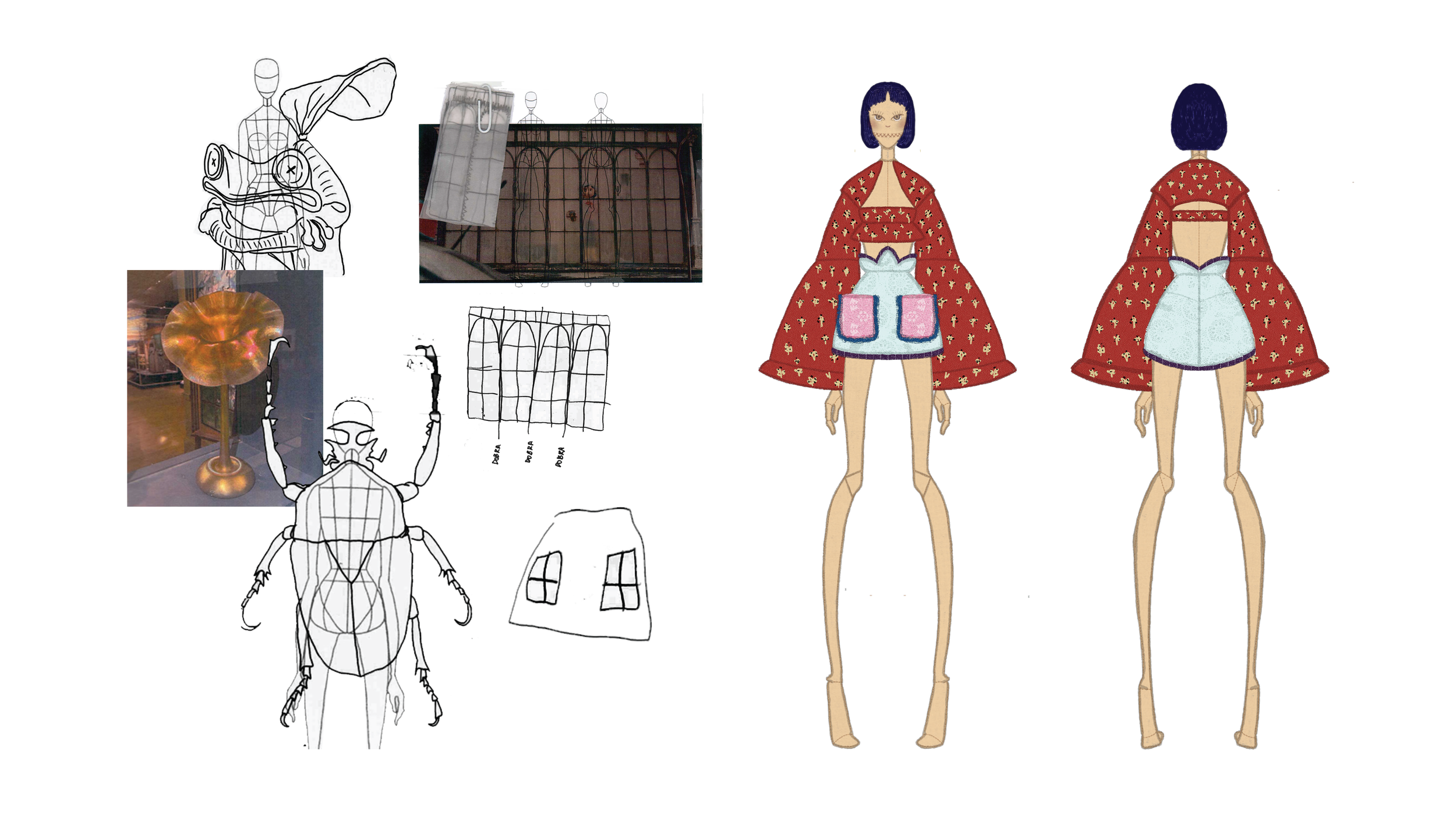
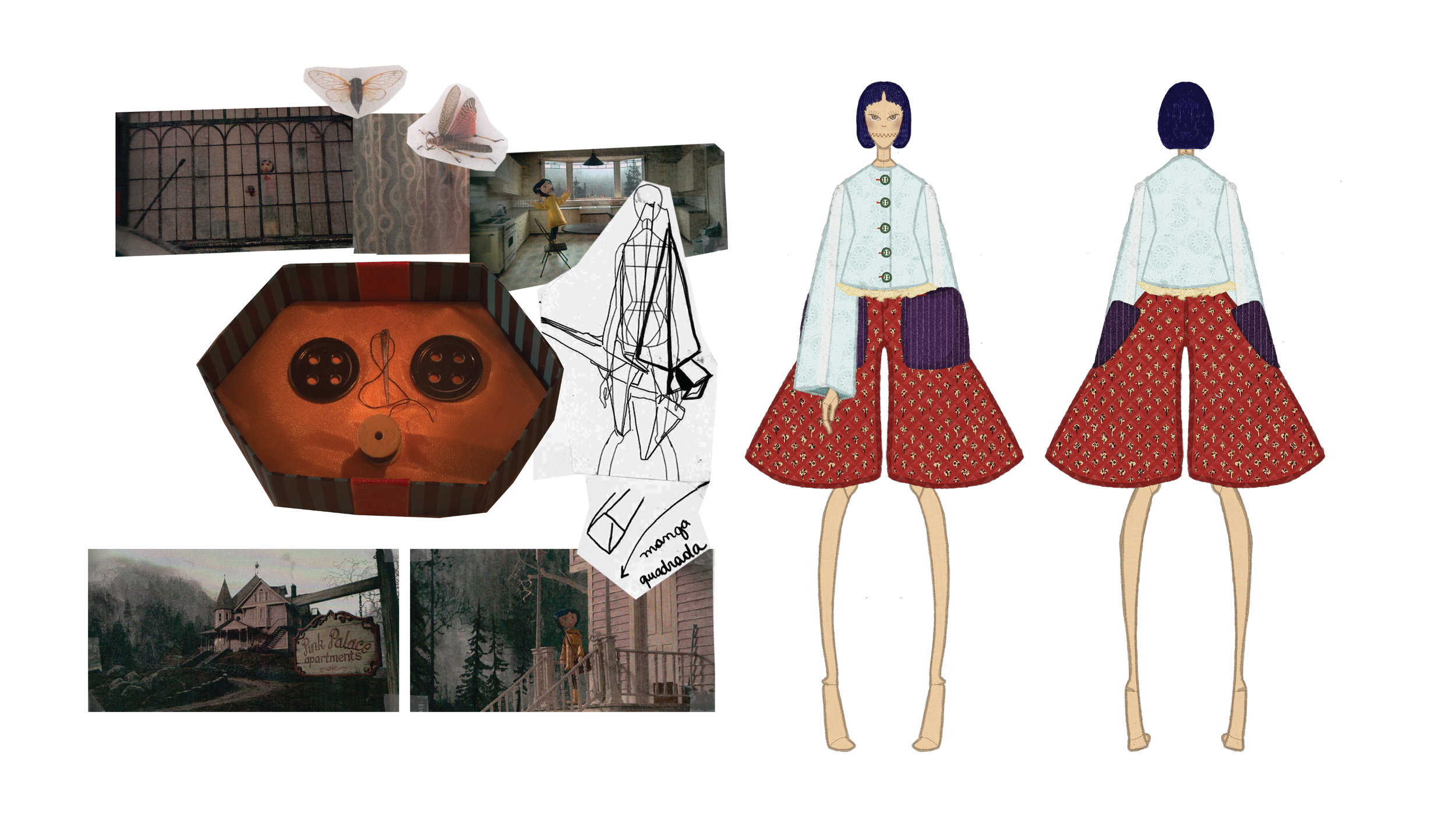
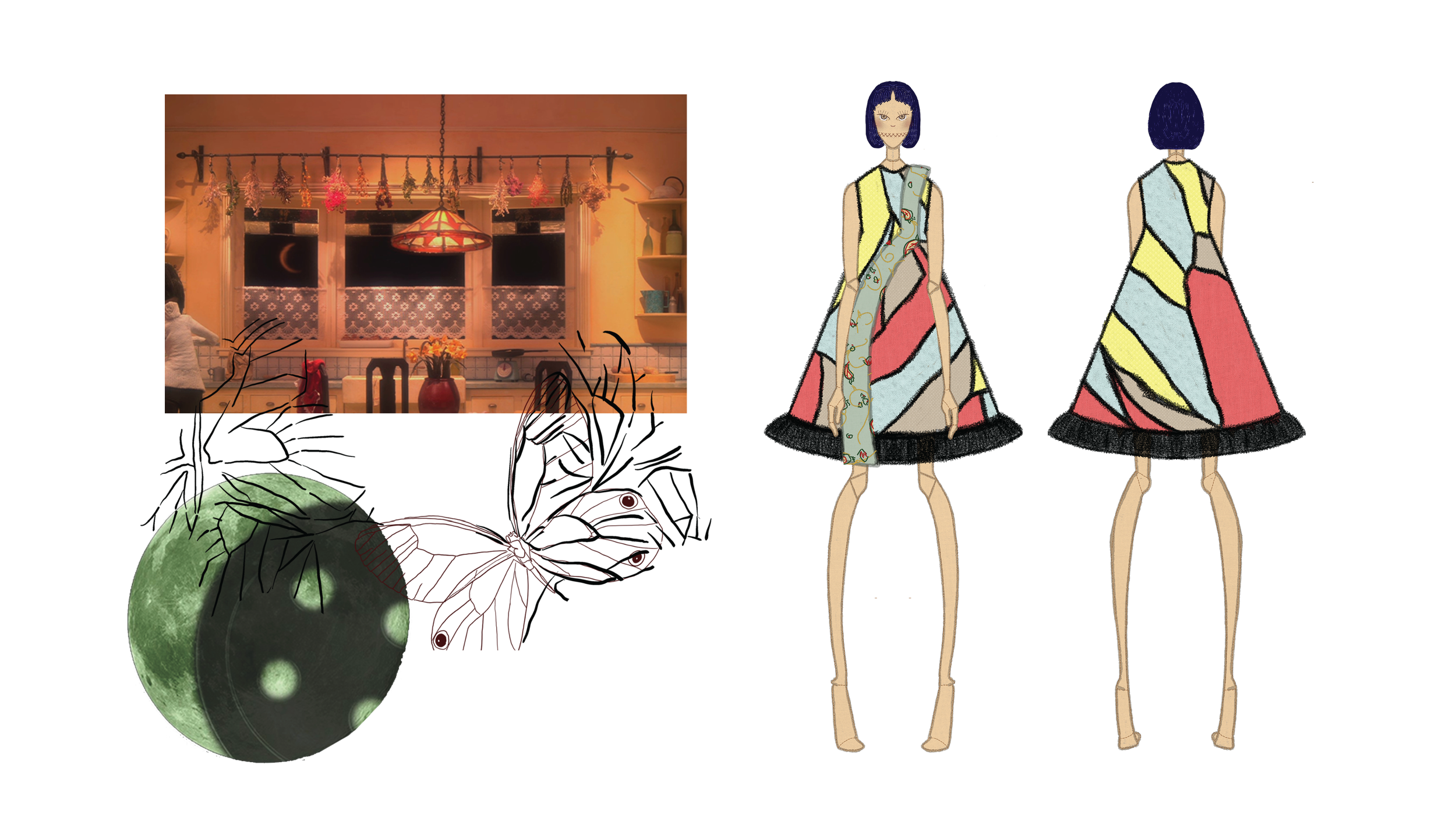
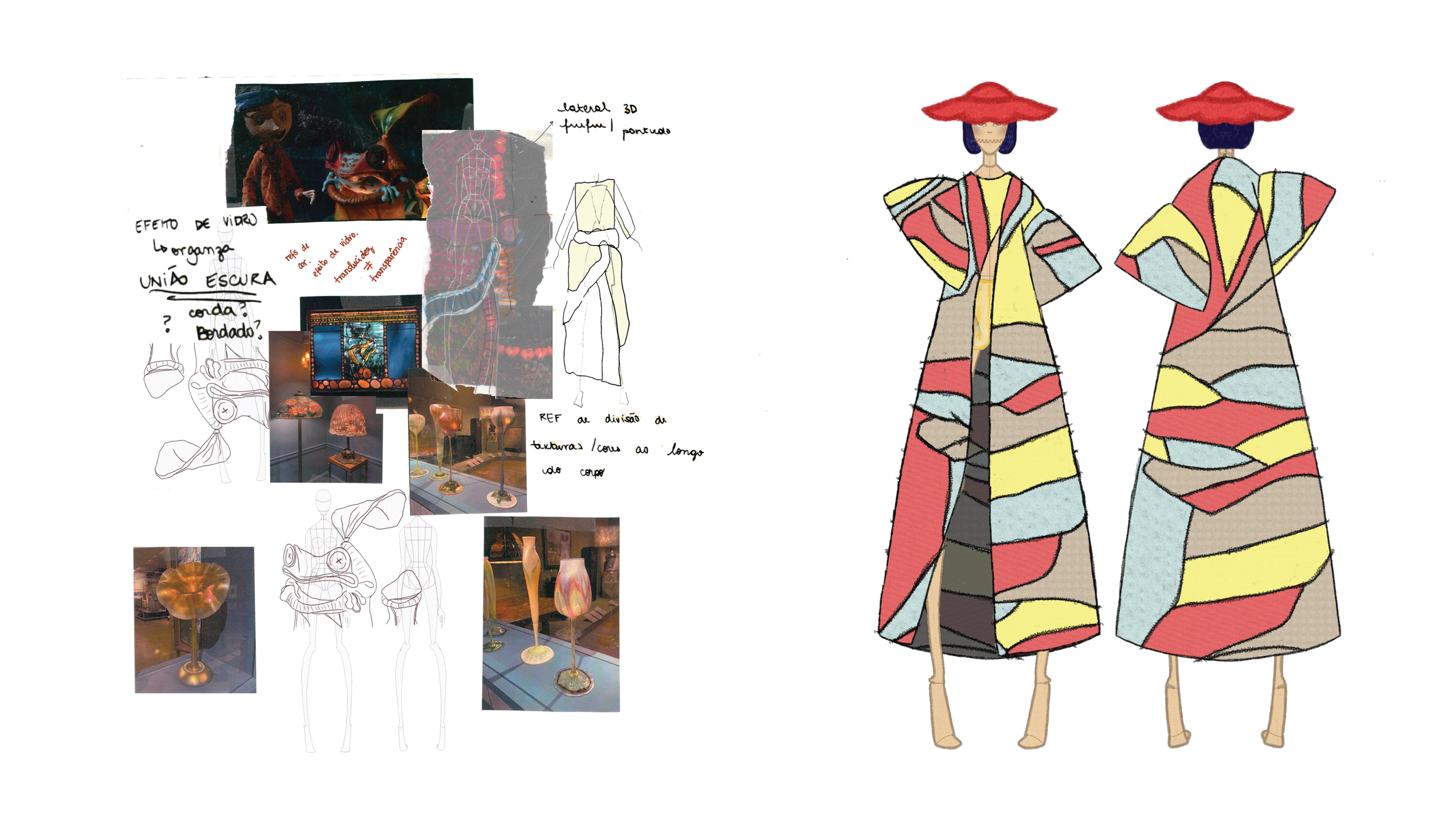
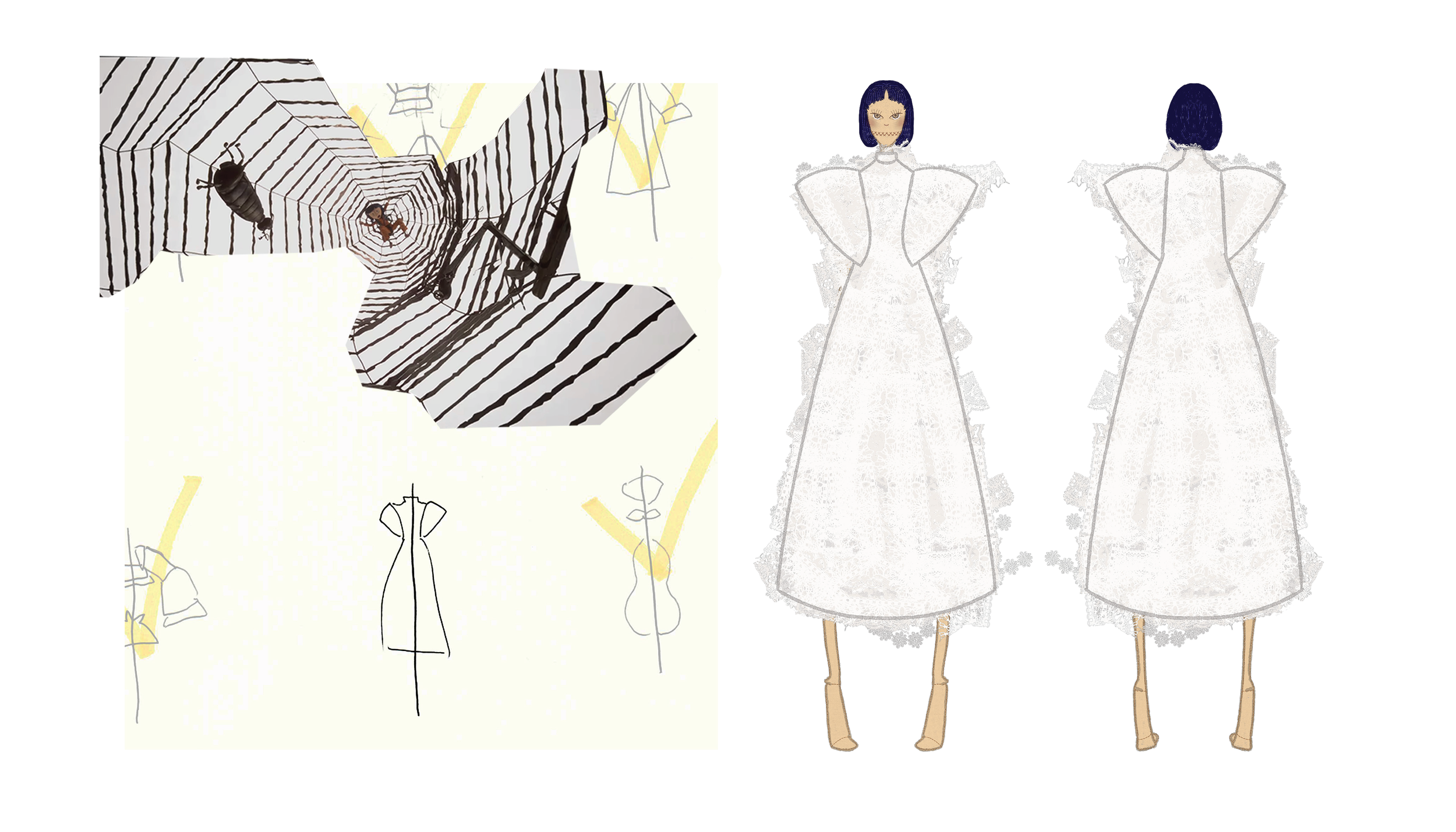
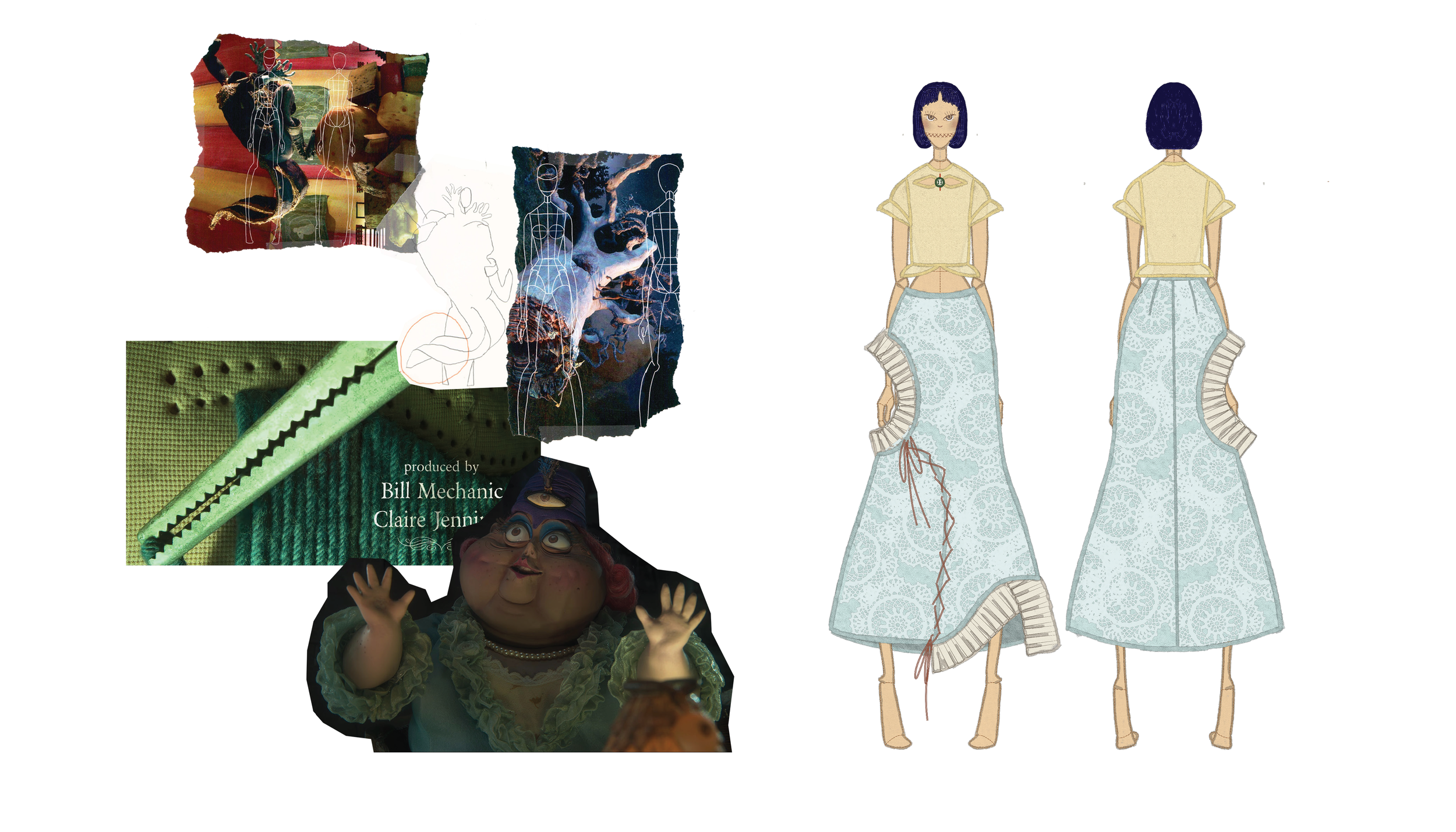
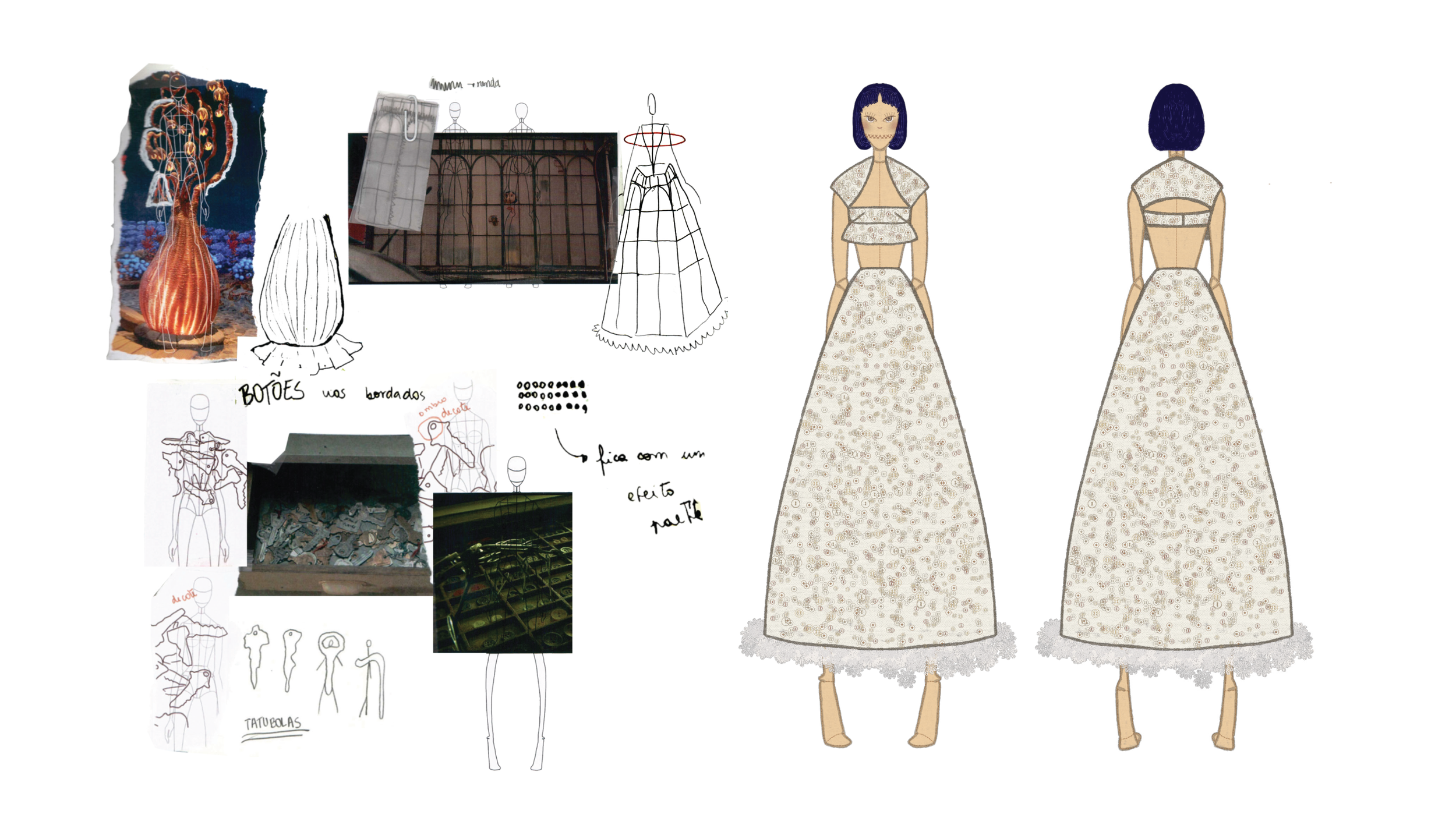
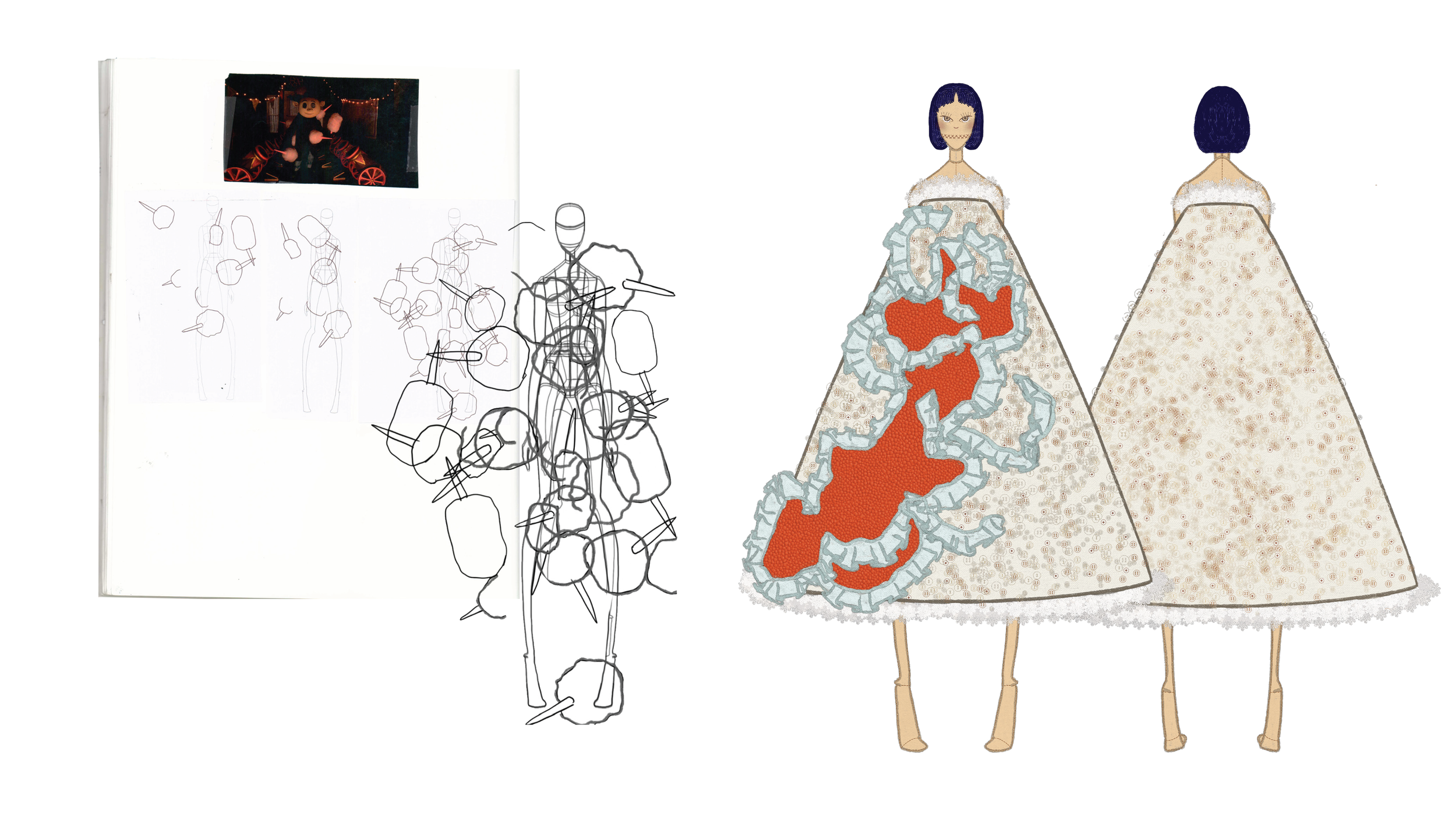
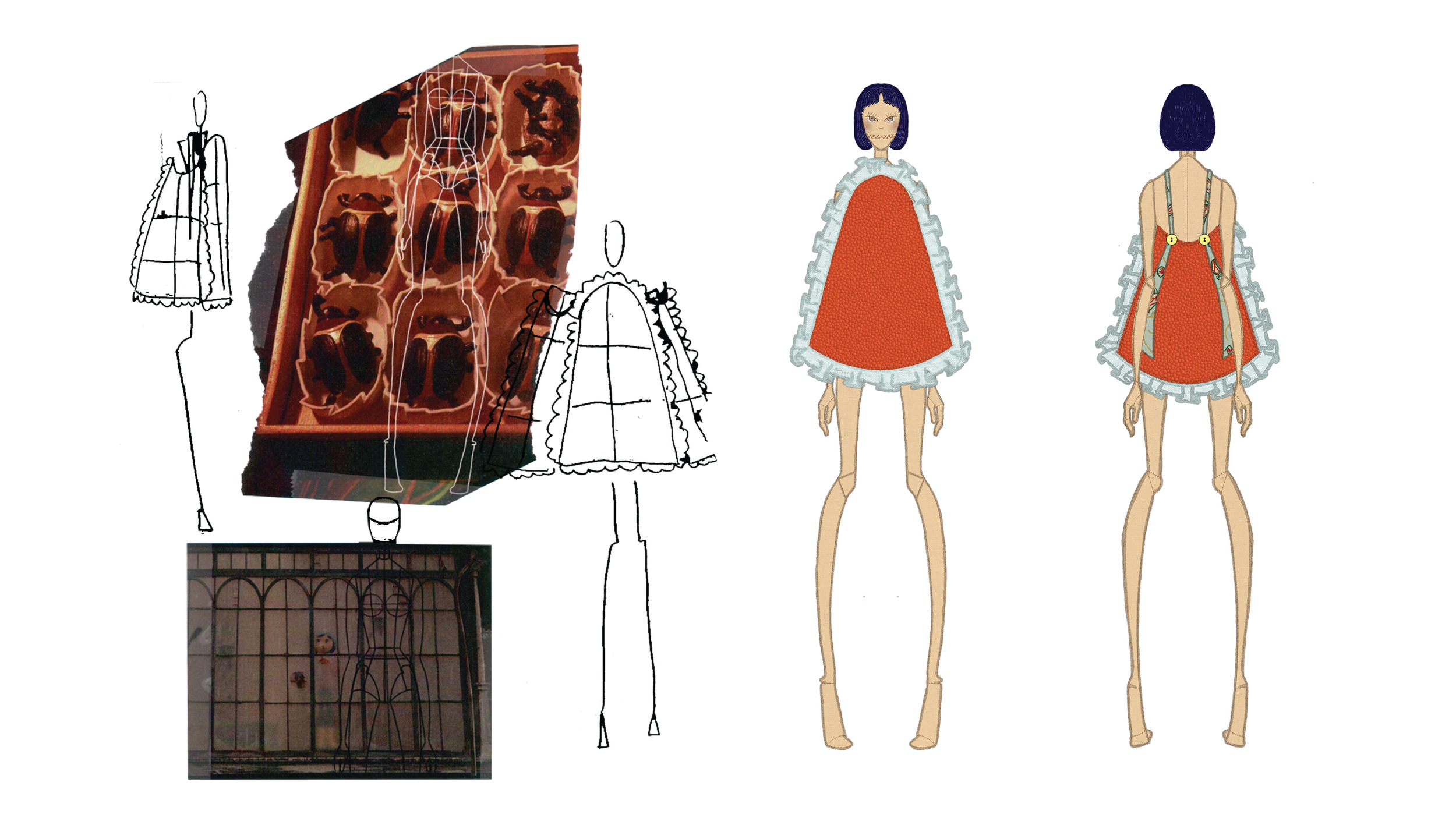
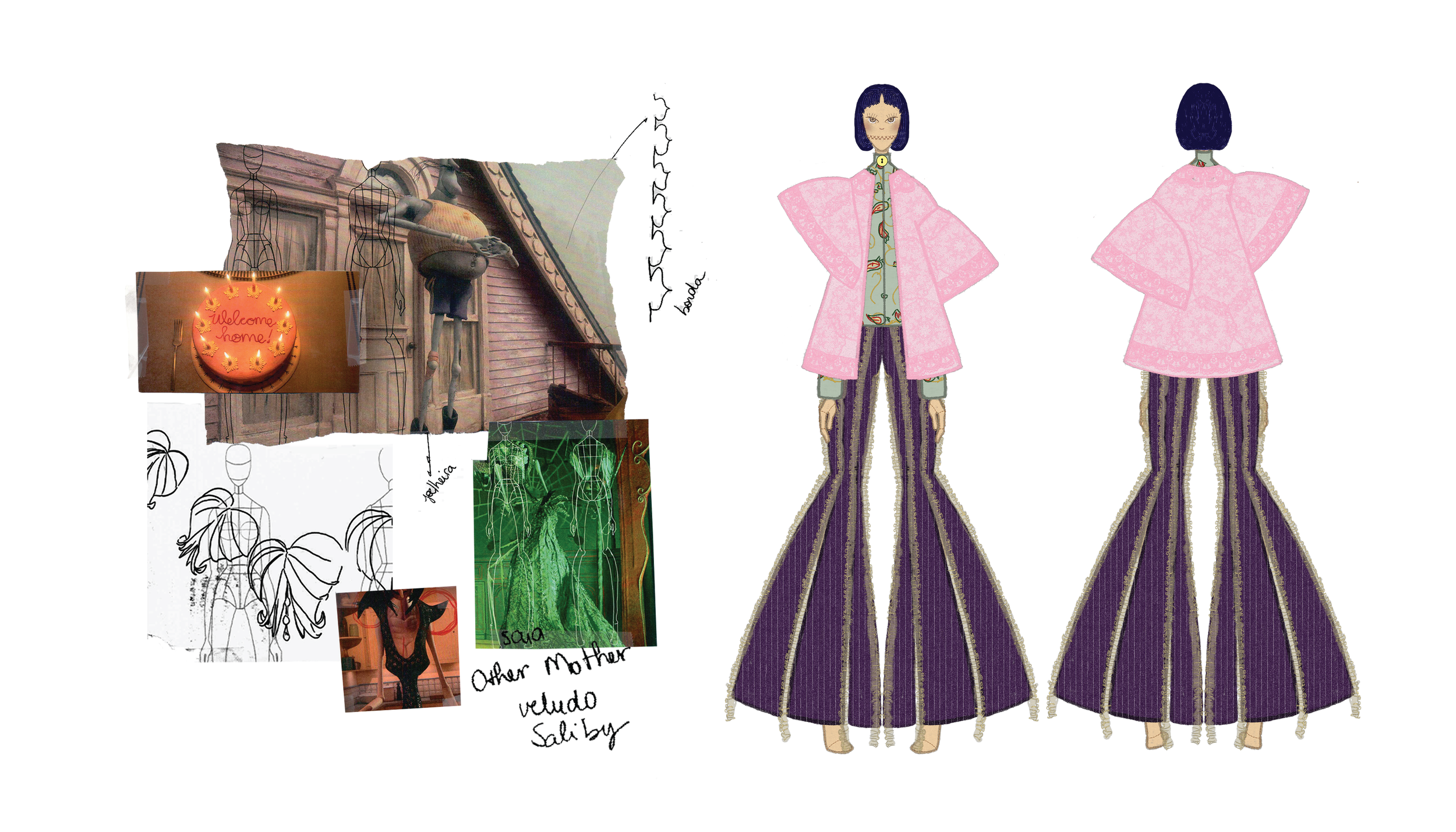
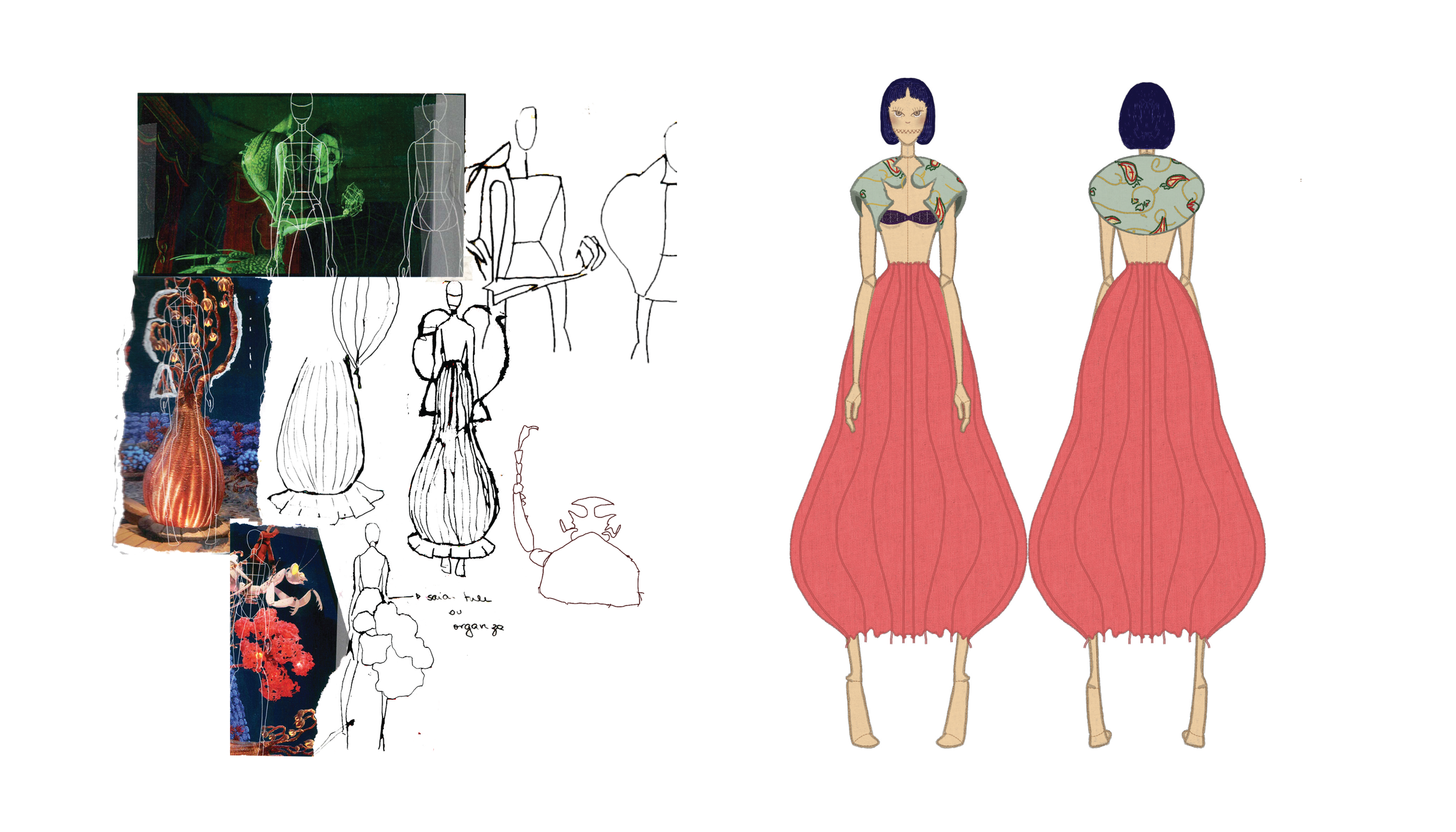
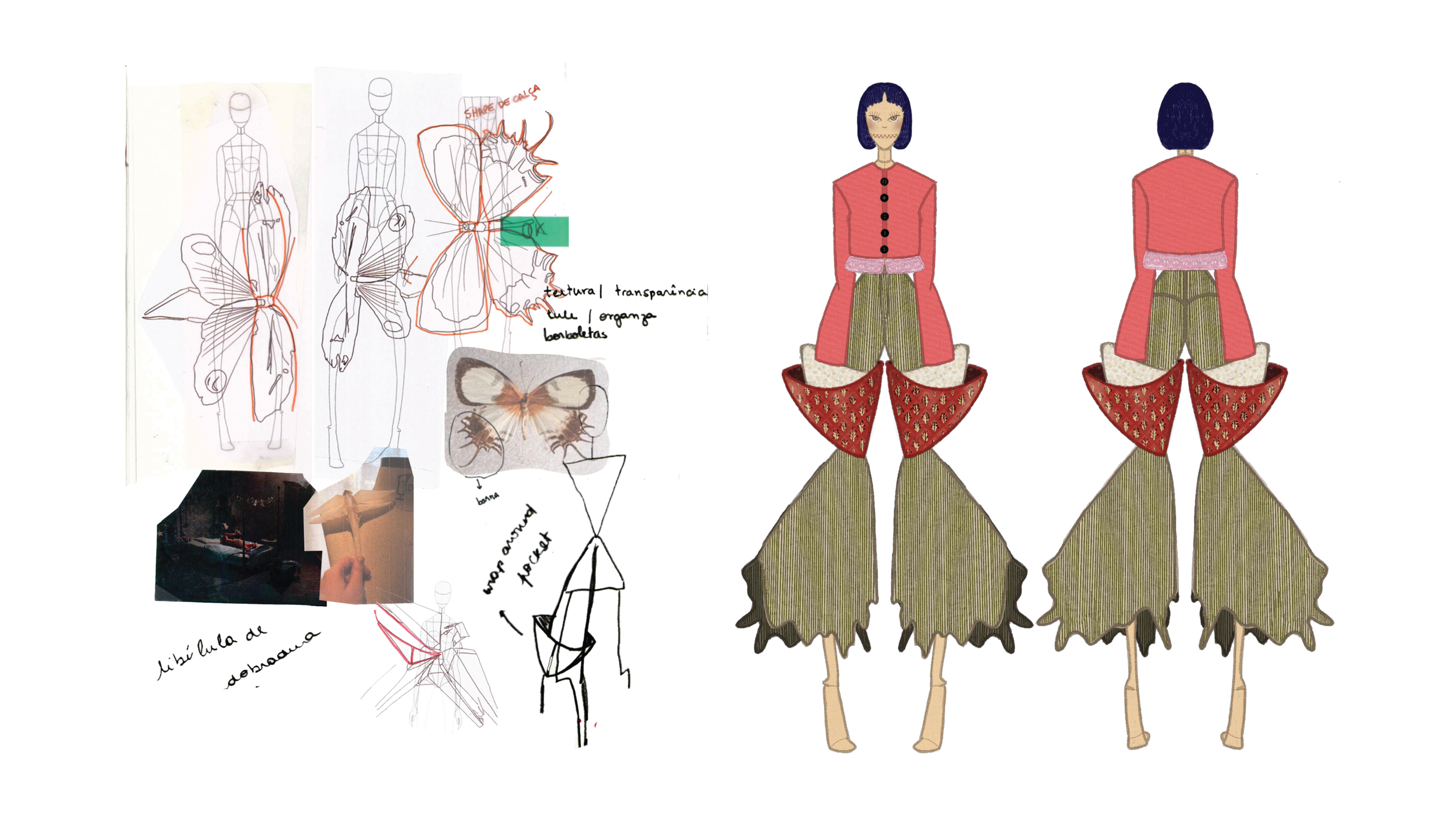
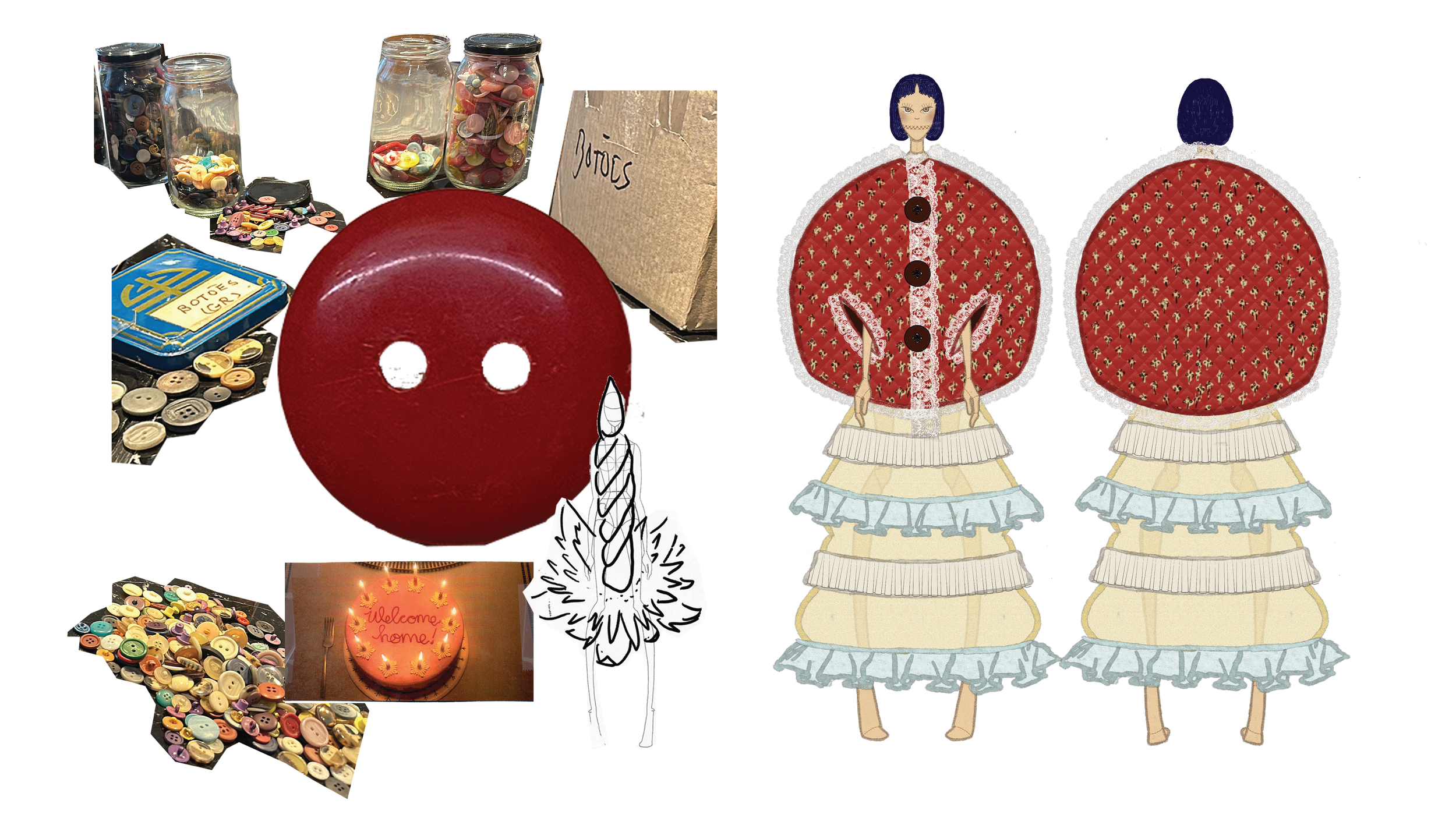
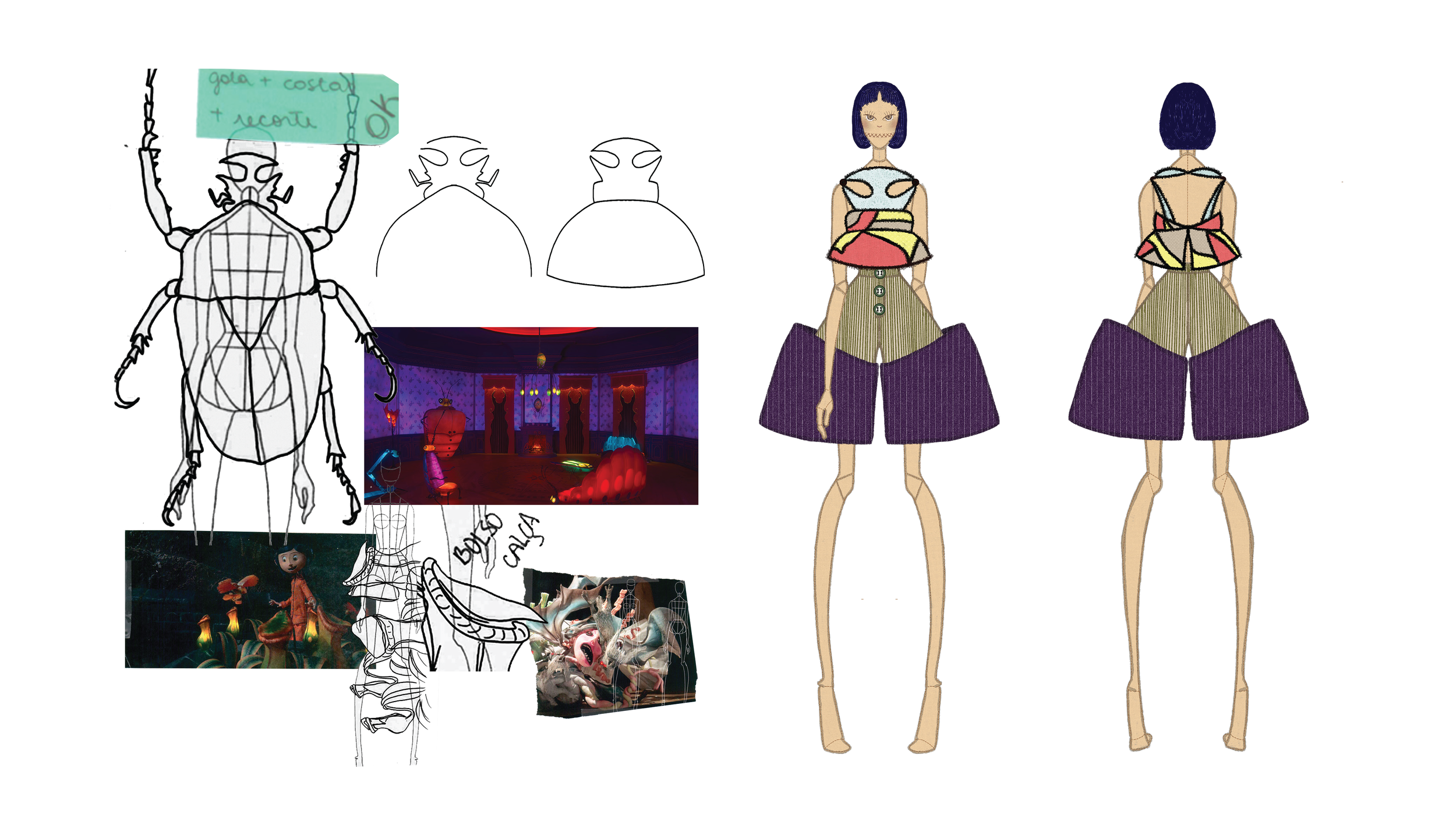
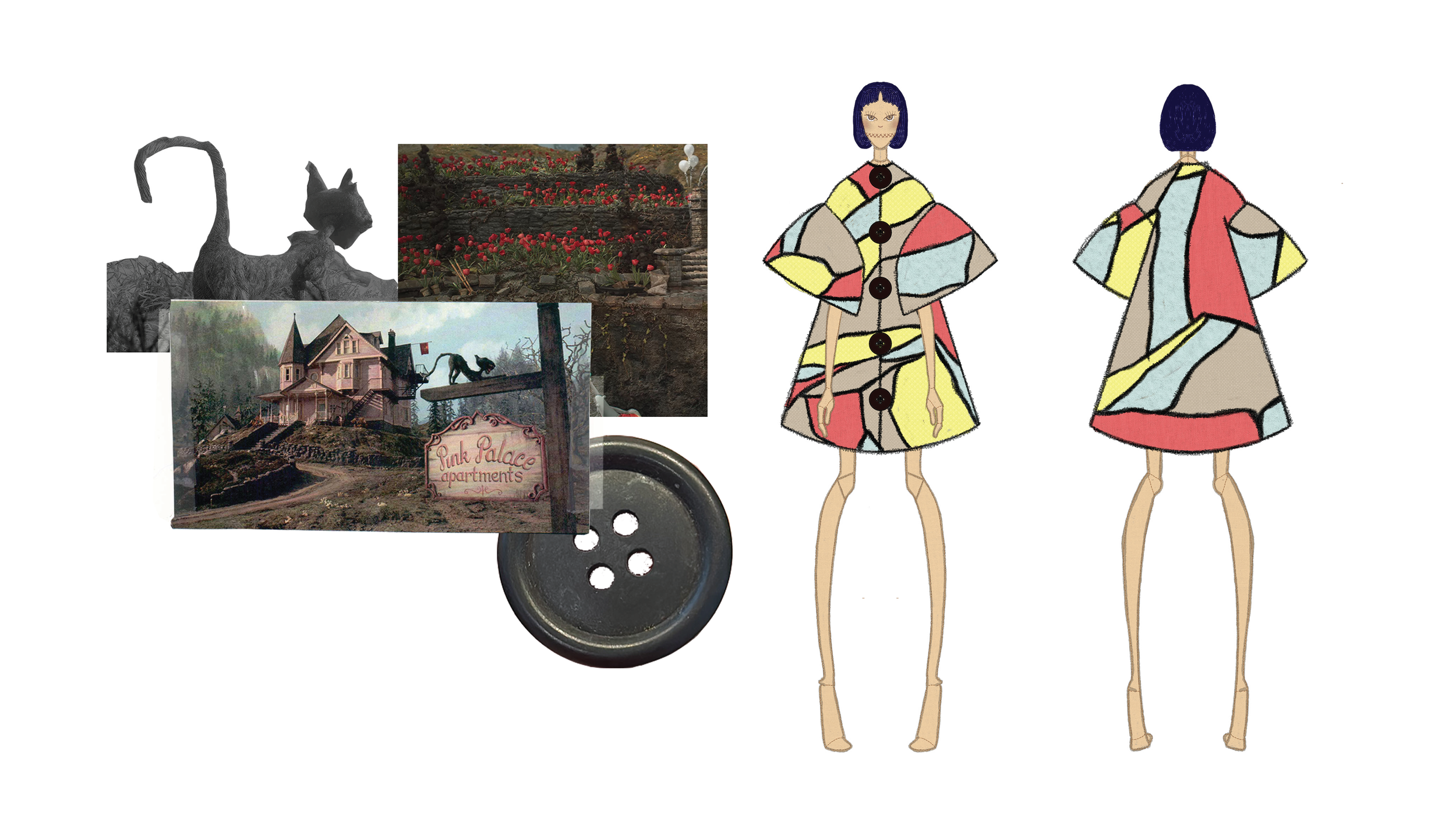
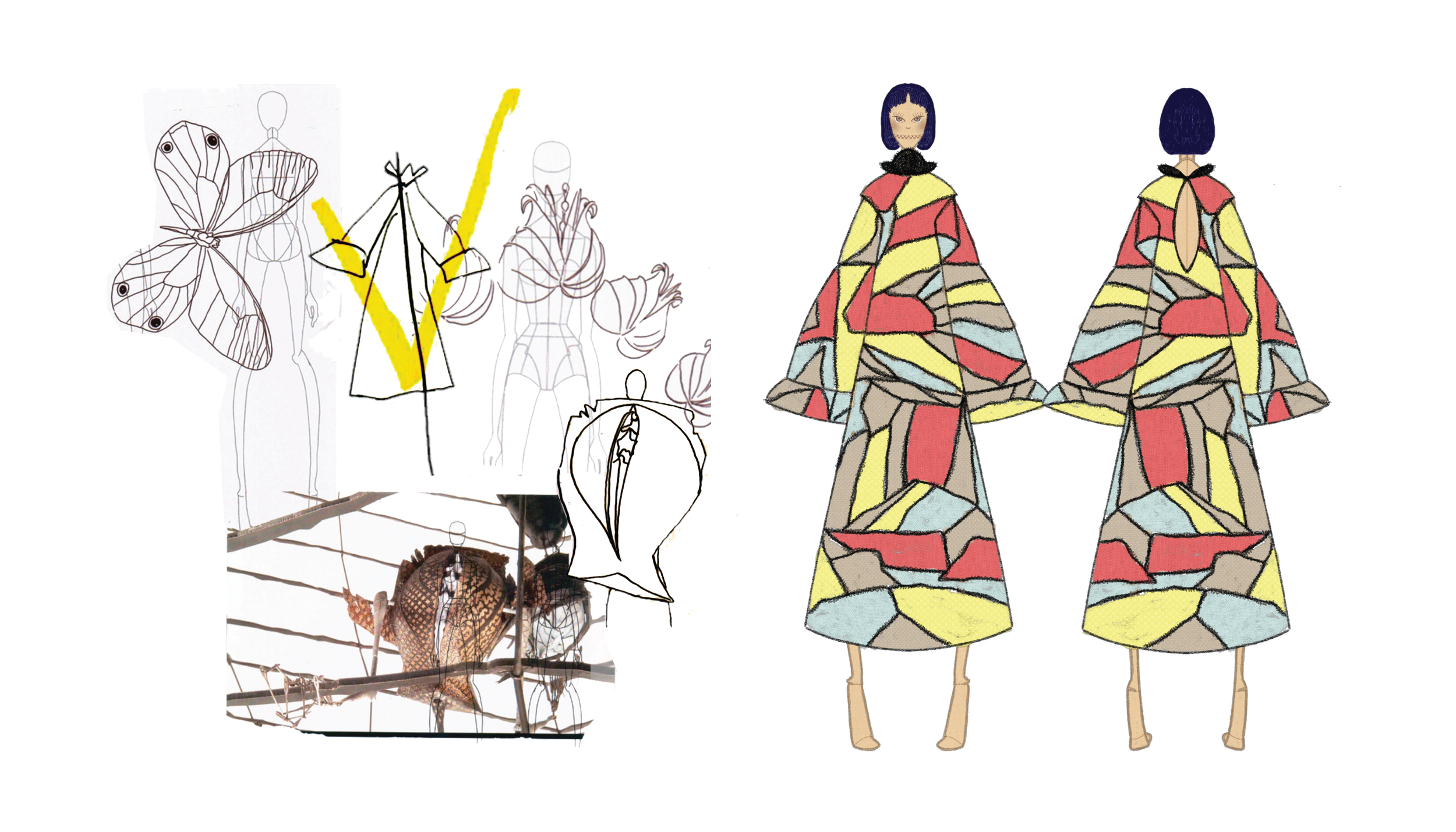
From the complete collection, four looks were selected for full construction. Presented below are these final garments, along with the material experimentation, development process and outcomes of each piece.RESEARCH & DEVELOPMENT
Date of production: Spring Semester, 2024
Technique: Textile experimentation, sewing, embroidery, clothing design, draping
Genre/Function: Garment development, Fashion Design, Creative Direction
THE BUTTON DRESS
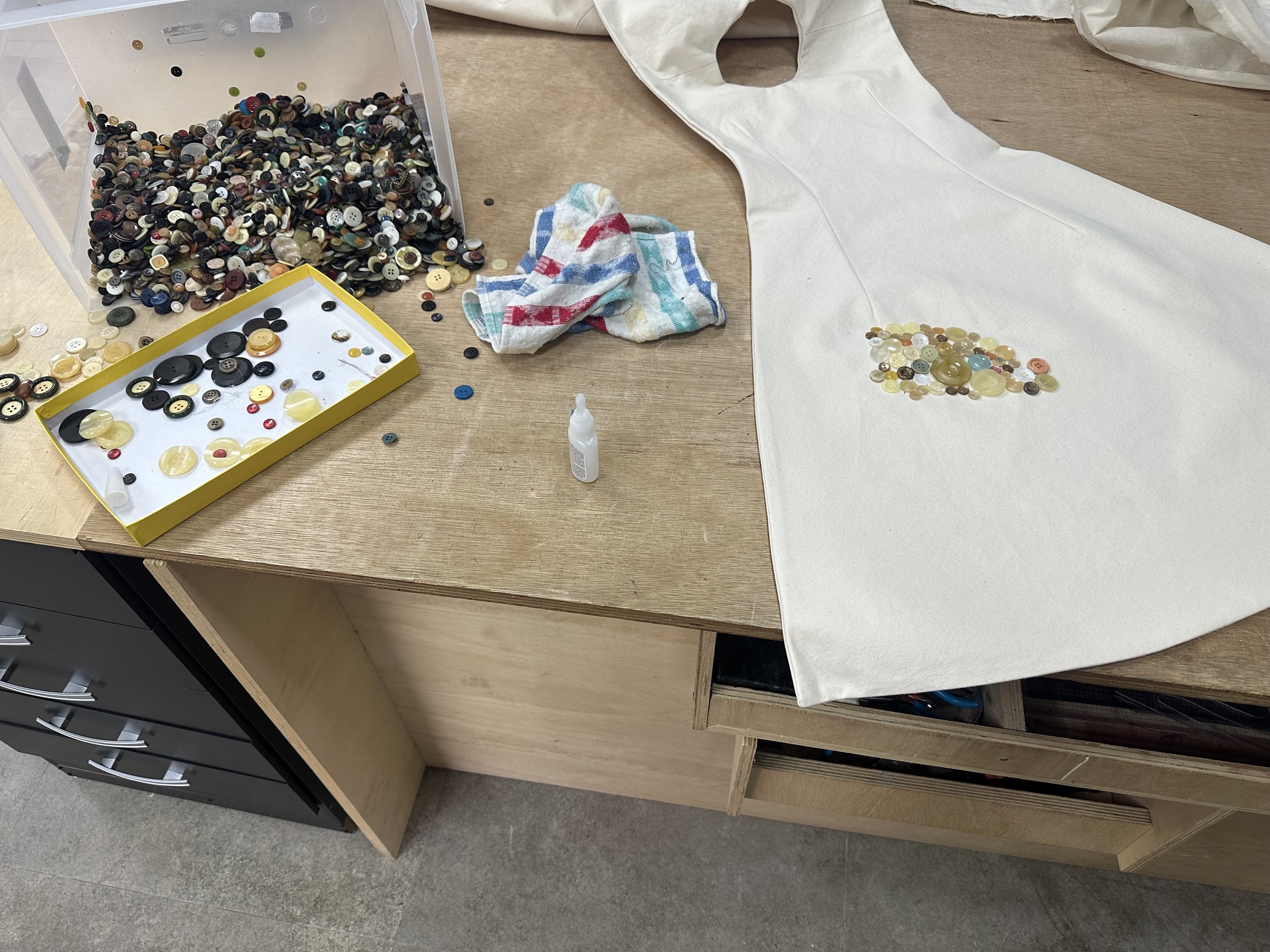
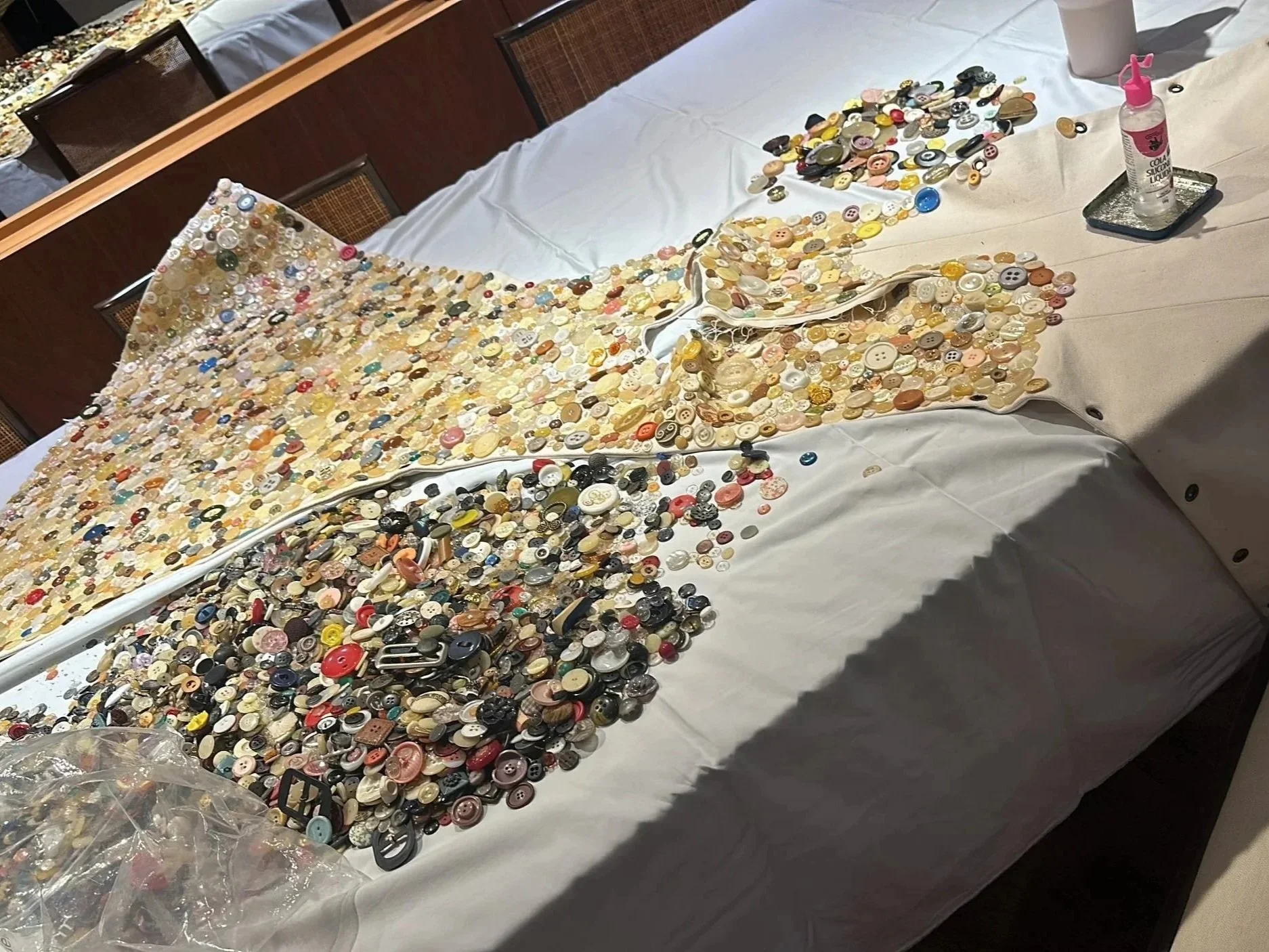
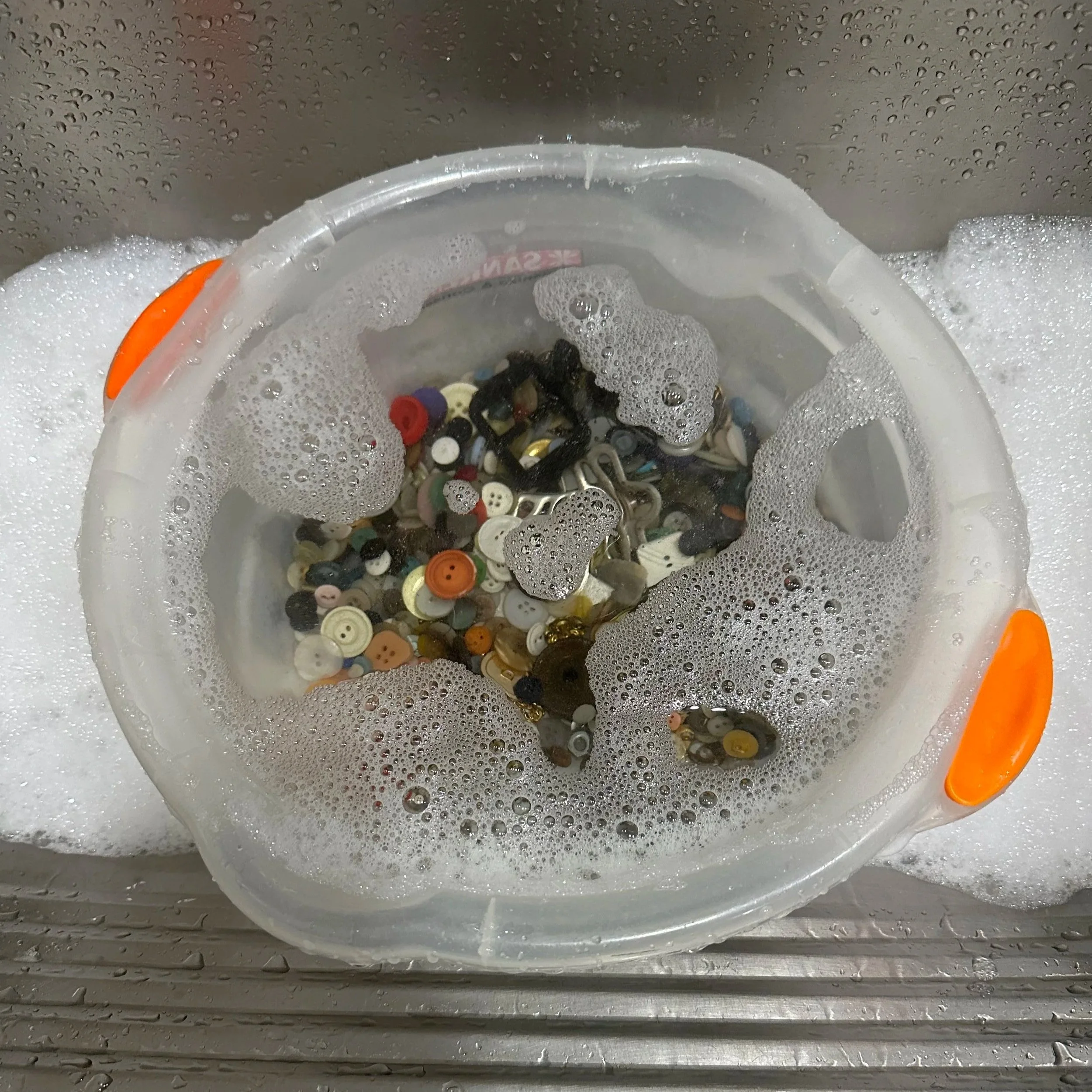
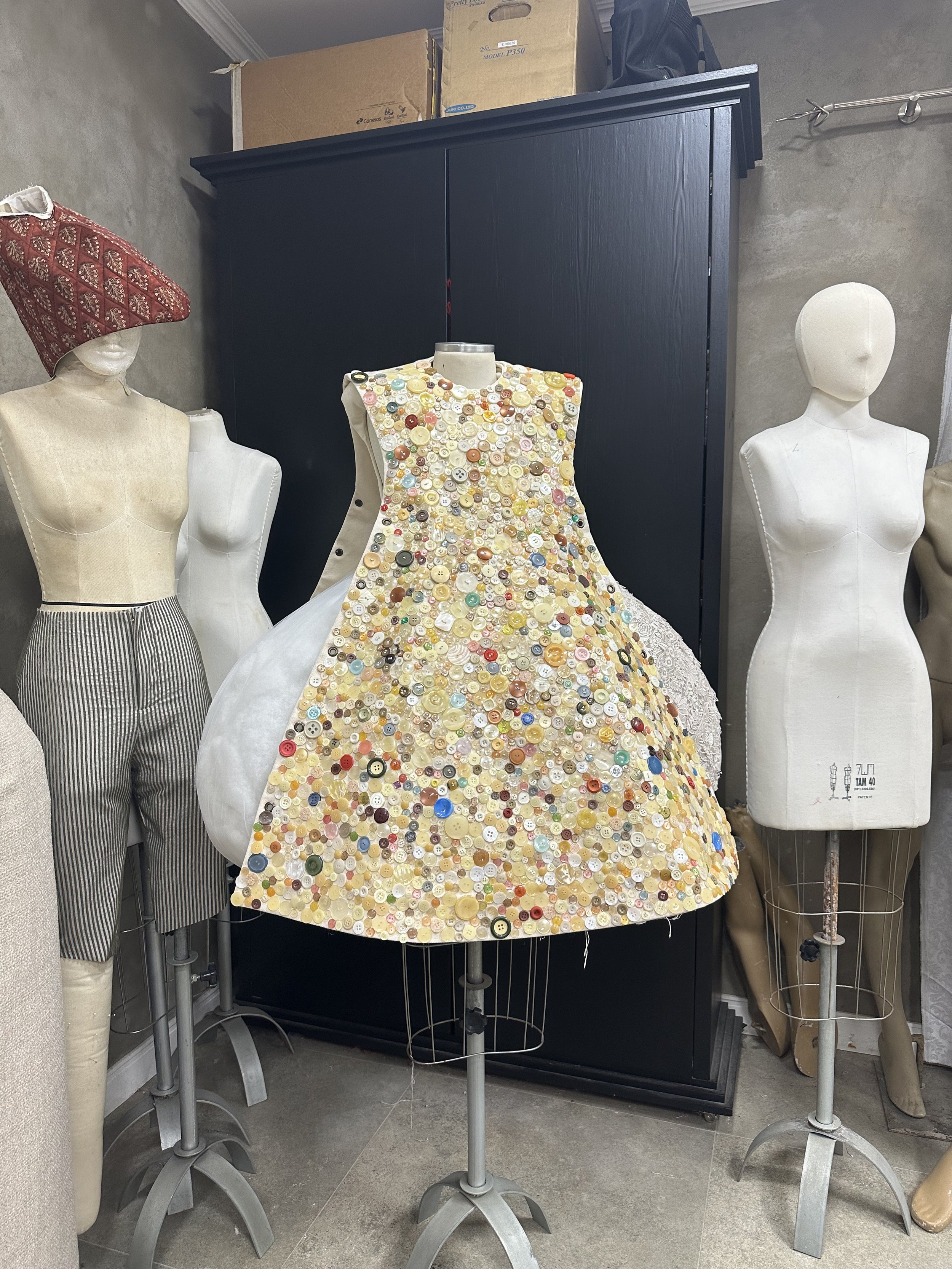
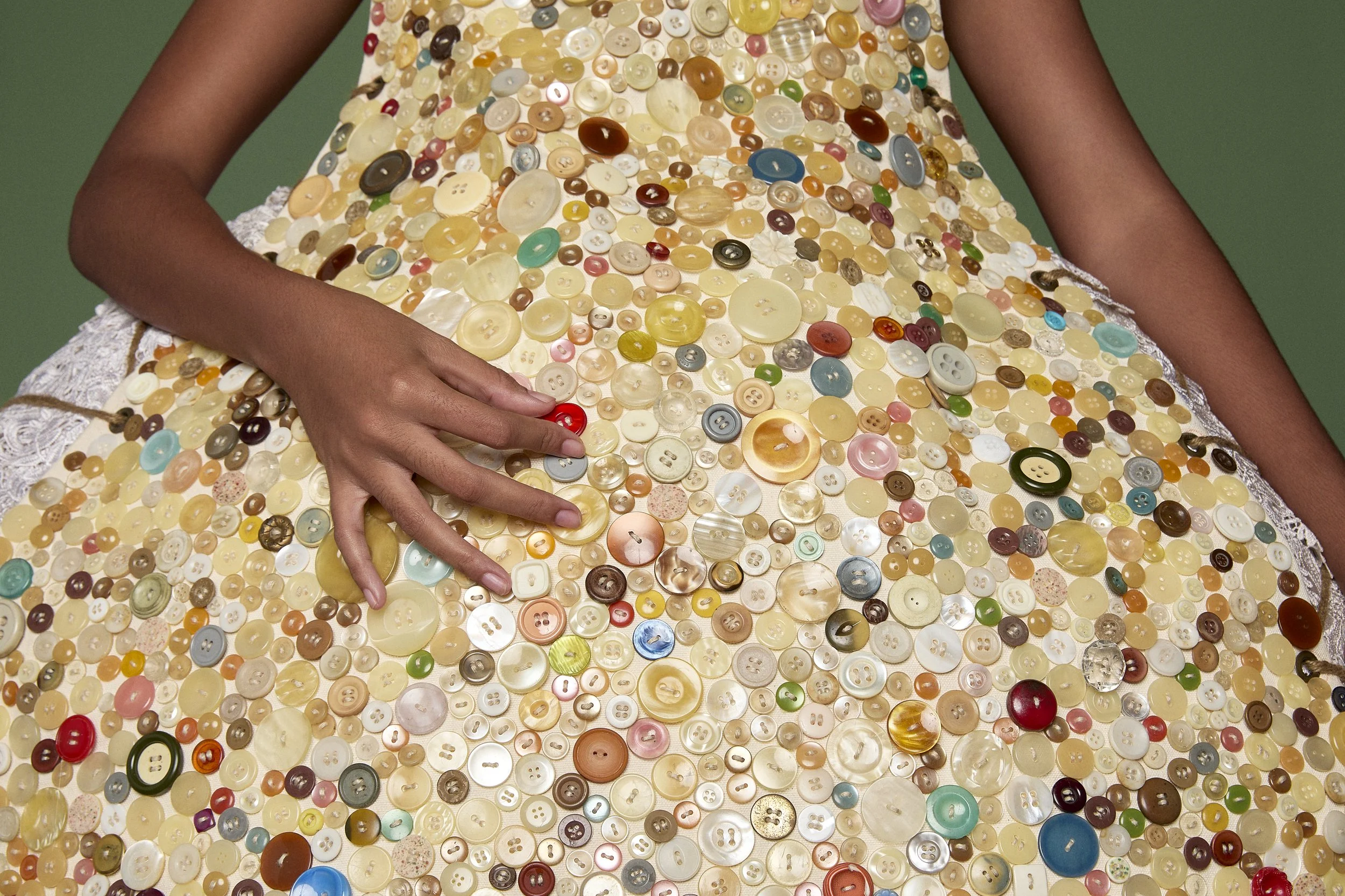
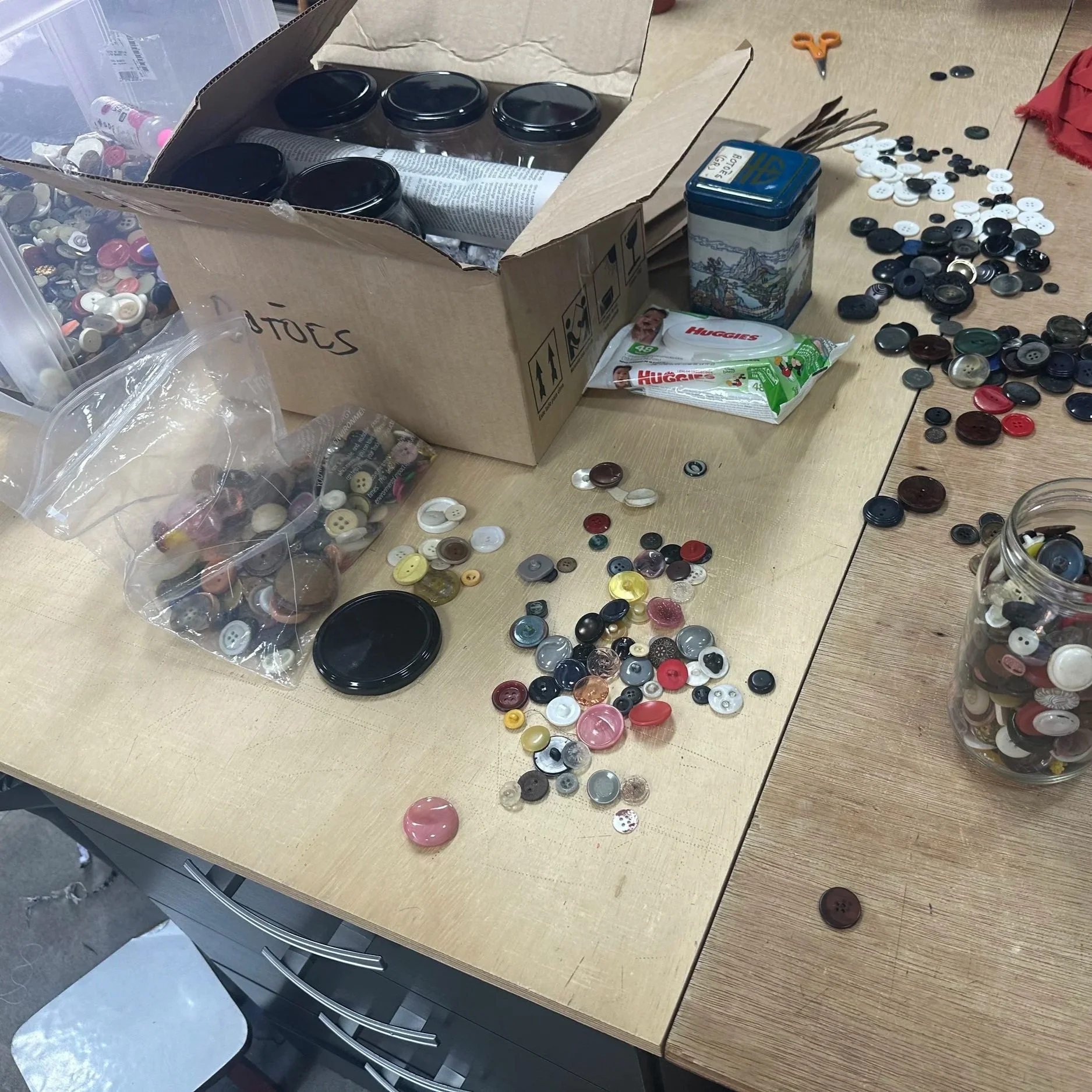
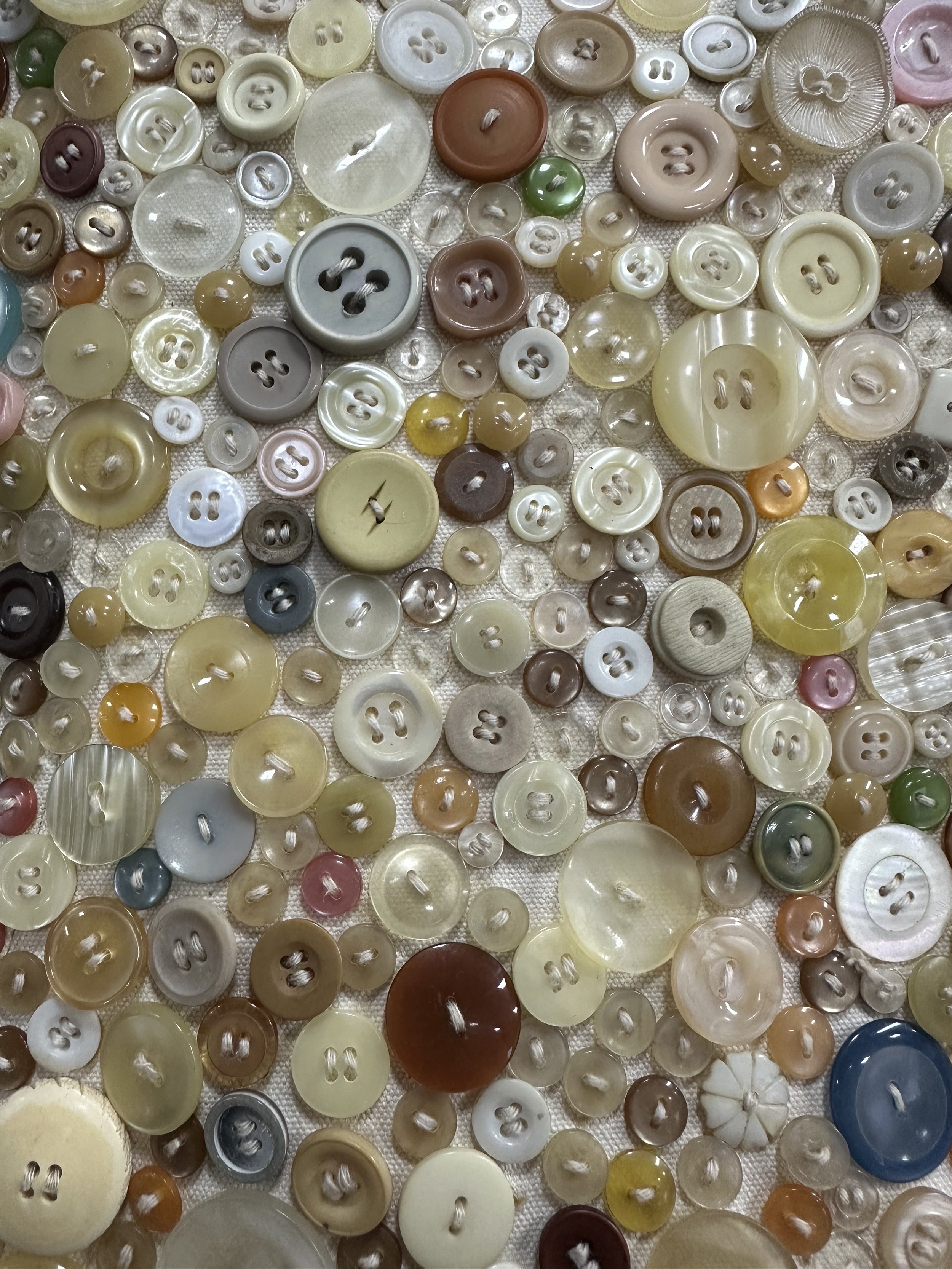
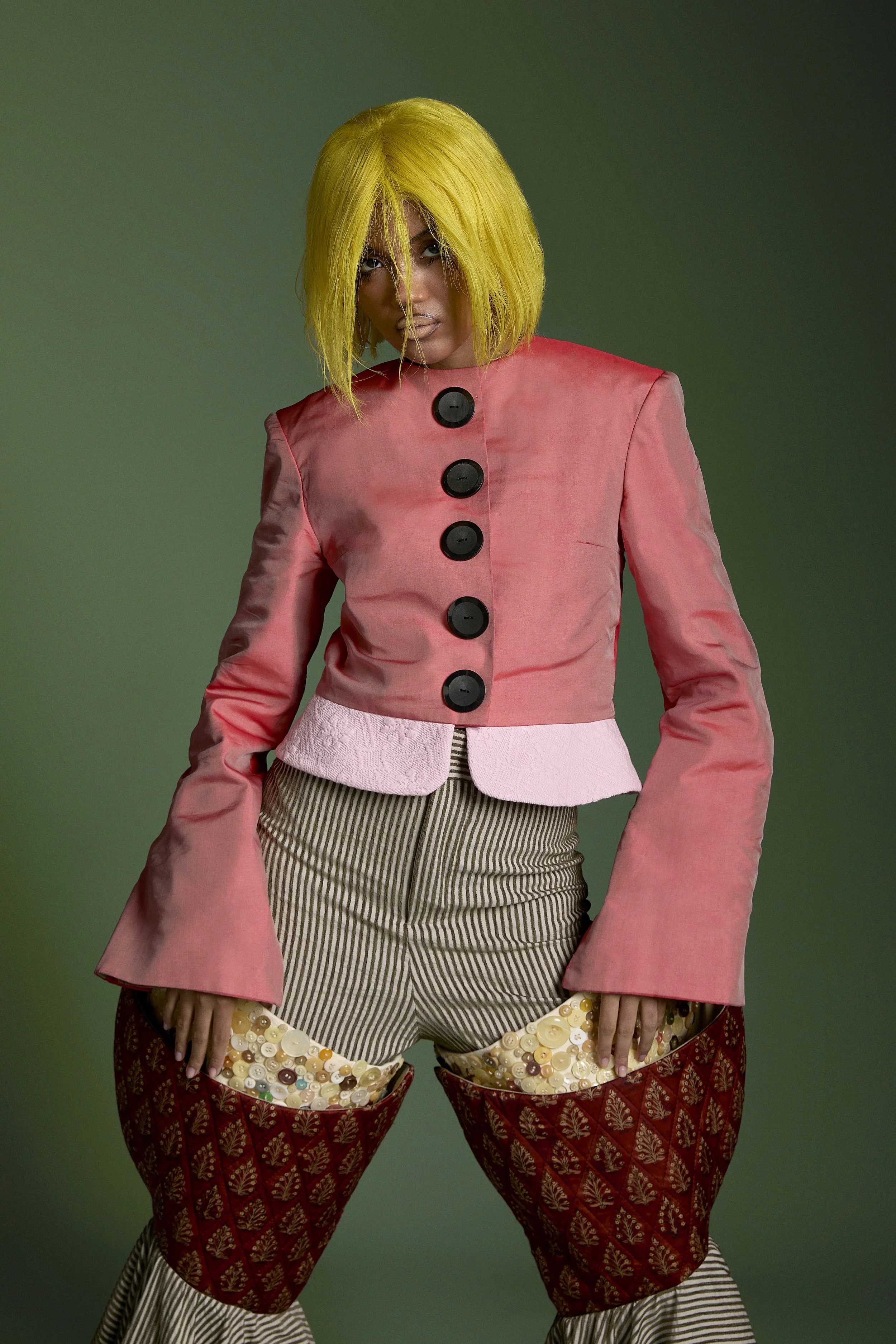
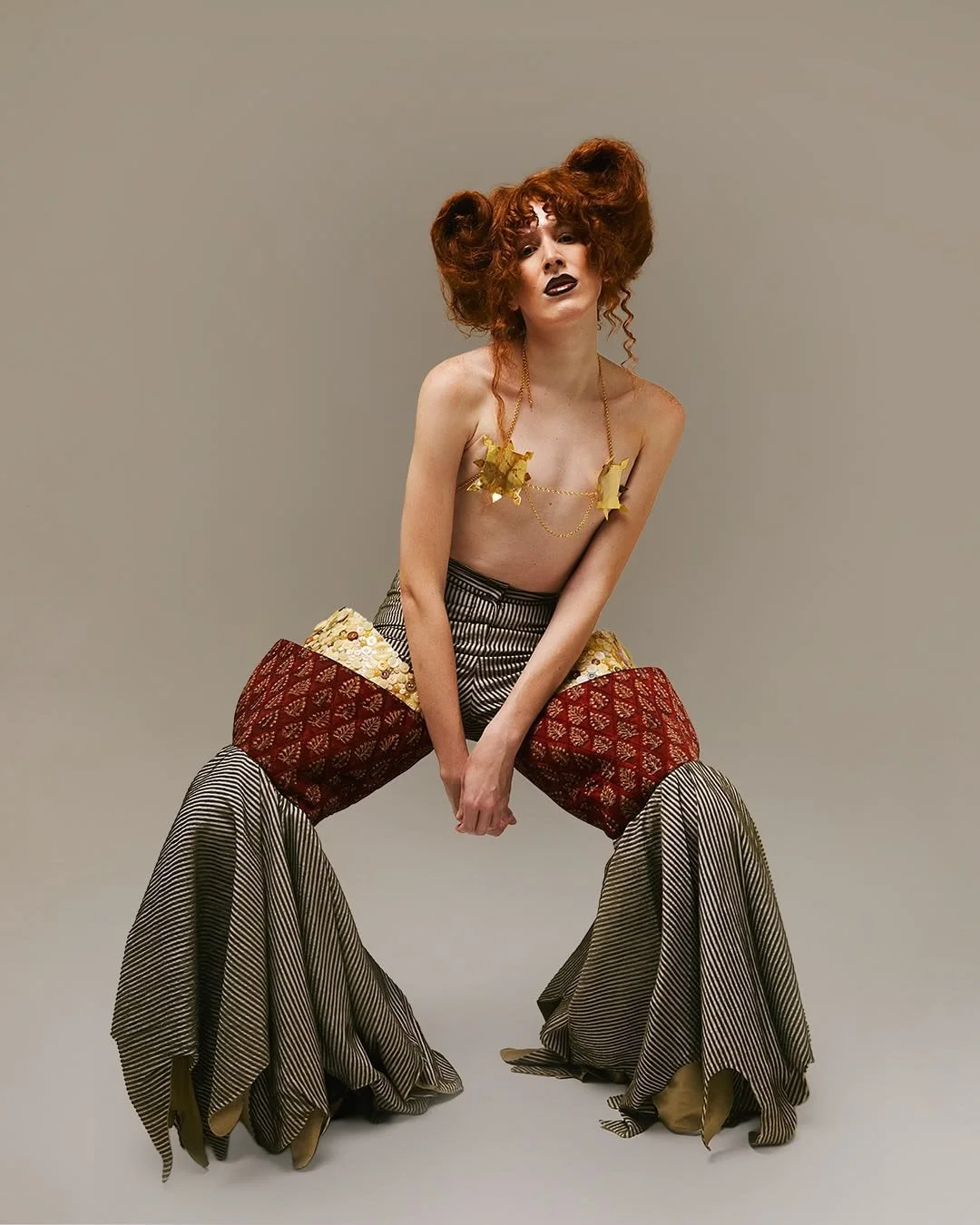
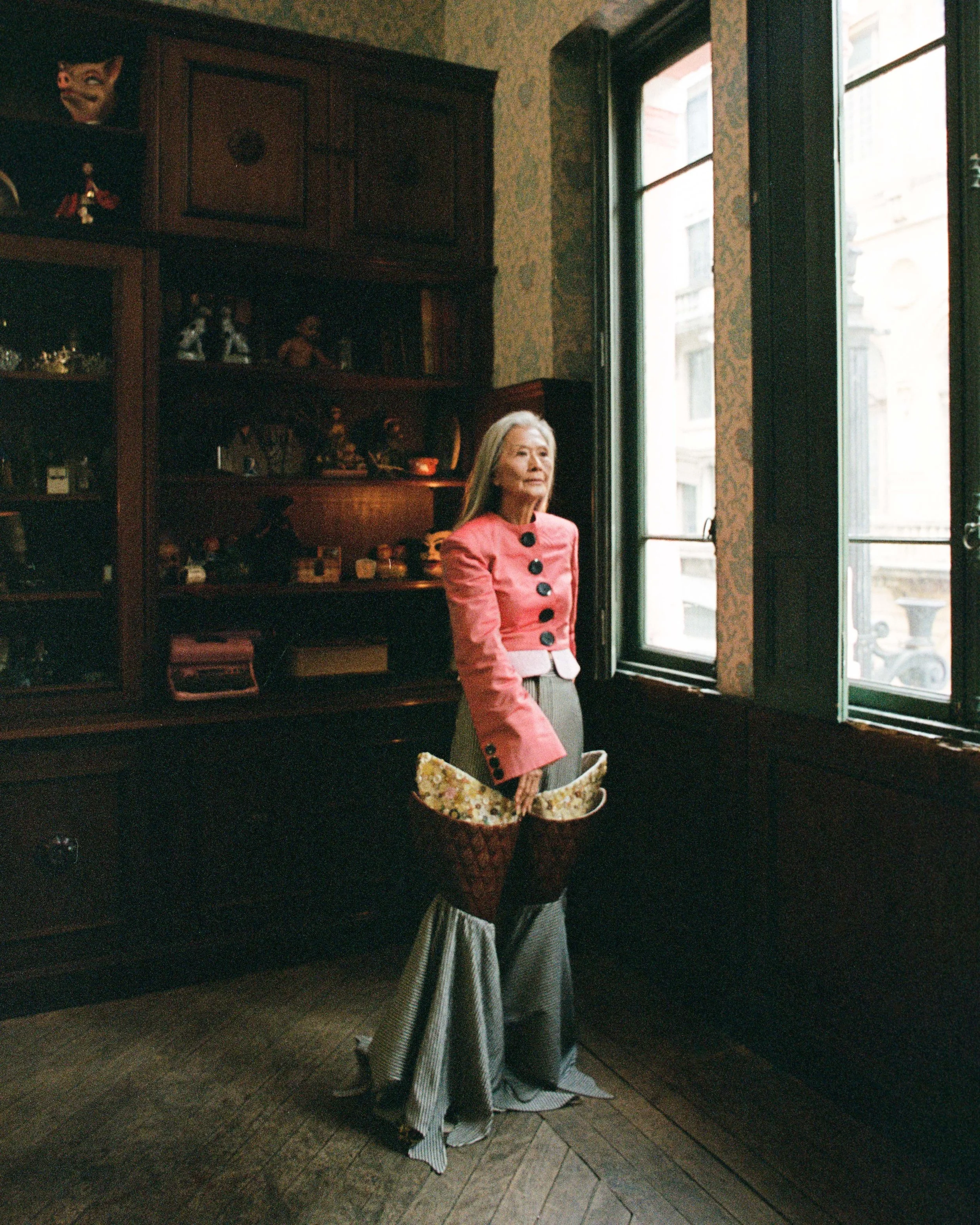
Most of the buttons used in this collection are second-hand, sourced over the course of a year through online lots and carefully cleaned and sorted for embroidery application. Over 13,000 buttons were incorporated into four garments, the majority dating from the 1960s and 70s.
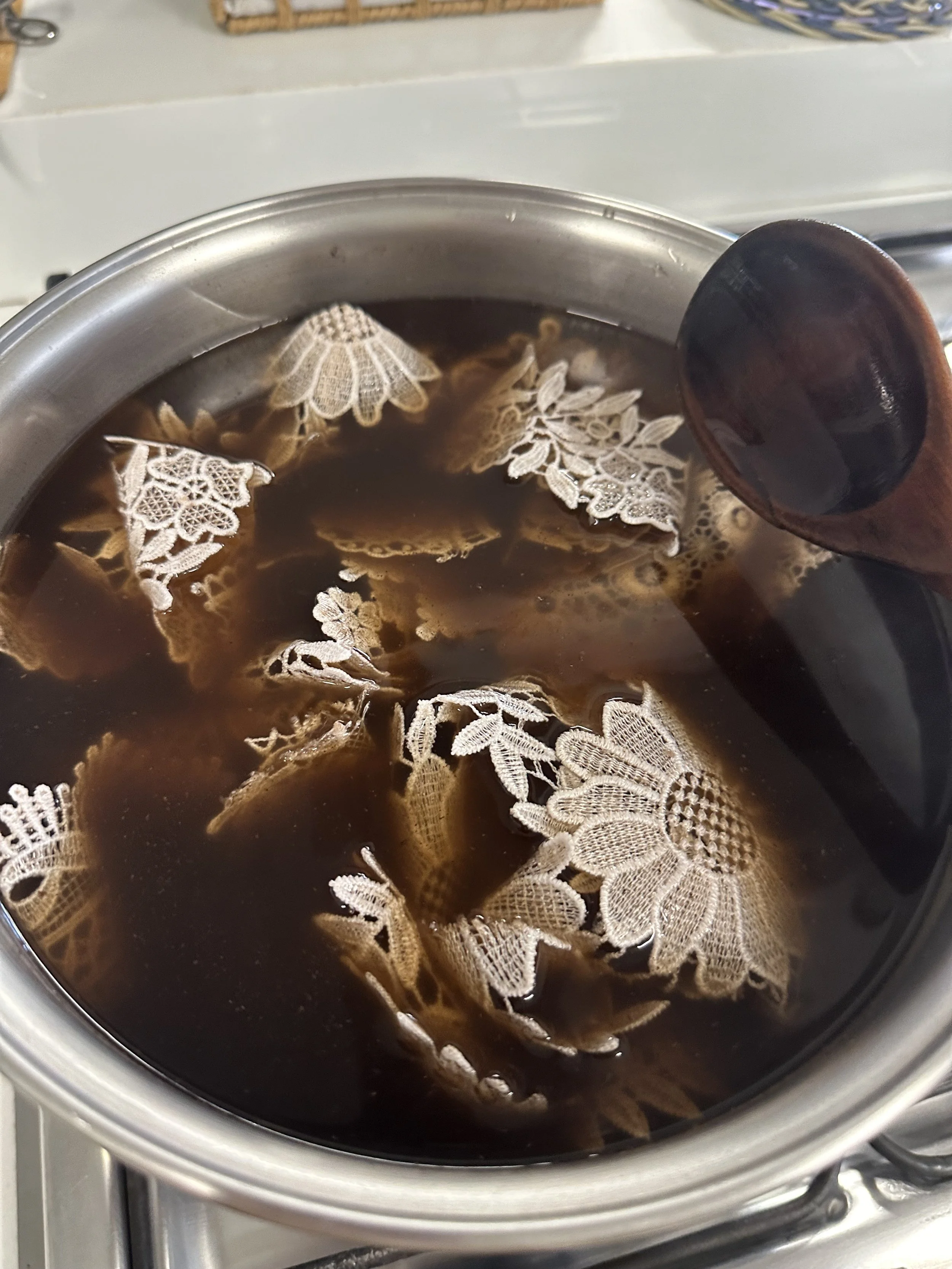
The new buttons were dyed with coffee to preserve a vintage tone and blend seamlessly with the older pieces.
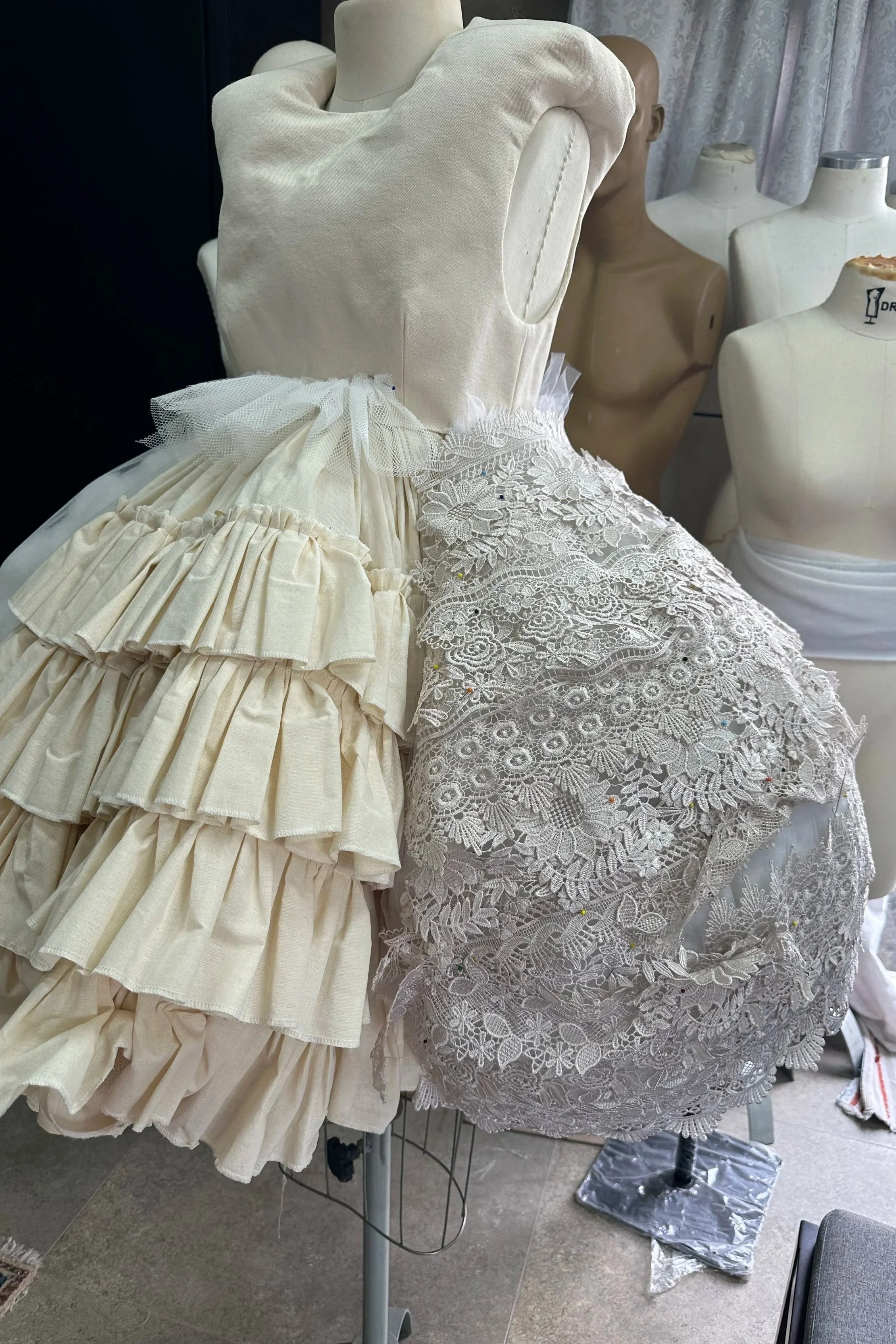
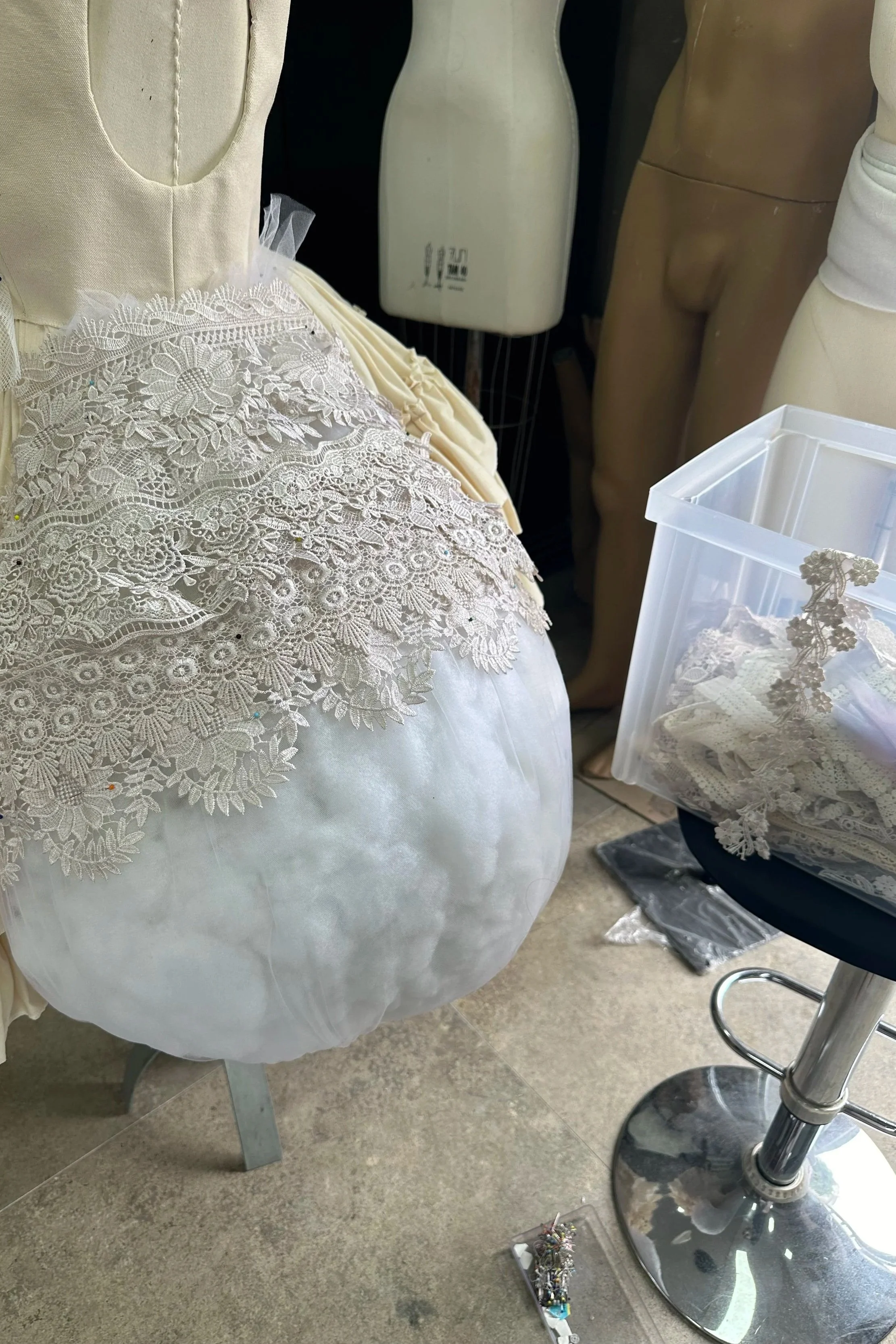
For the lace section of the garment, I chose to purchase assorted fabric remnants in order to achieve greater variety and volume. This approach allowed for a wider range of textures while also reducing costs. Since the laces arrived very white, I dyed them with coffee to create a more aged, vintage tone.

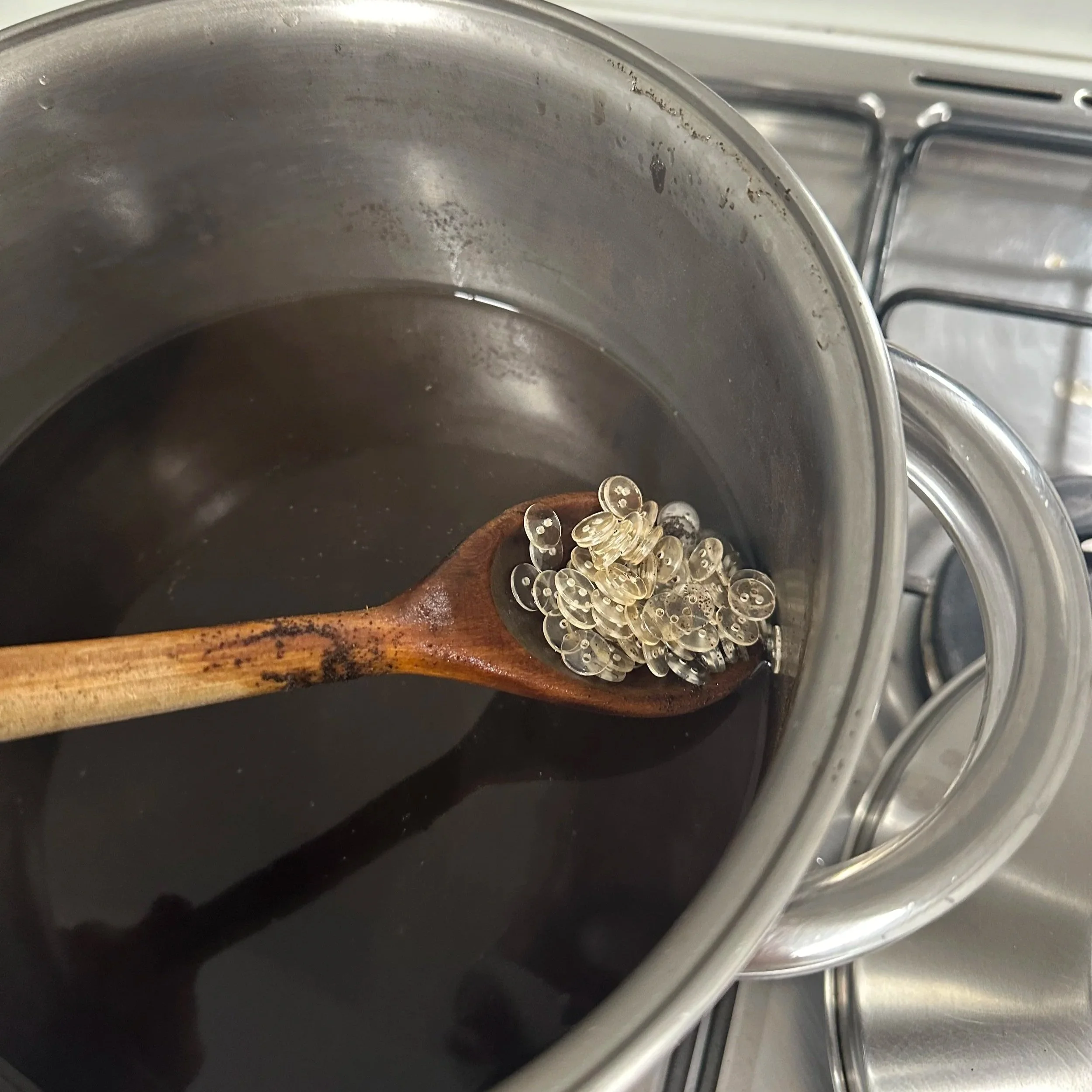
Before sewing the buttons, I glued each one individually onto the dress and the trousers’ pockets. It was important to me to carry out this stage myself to ensure the composition matched my vision. I used silicone glue to position them precisely, and later received assistance to secure them permanently. In the end, the dress incorporated approximately 13,771 buttons.
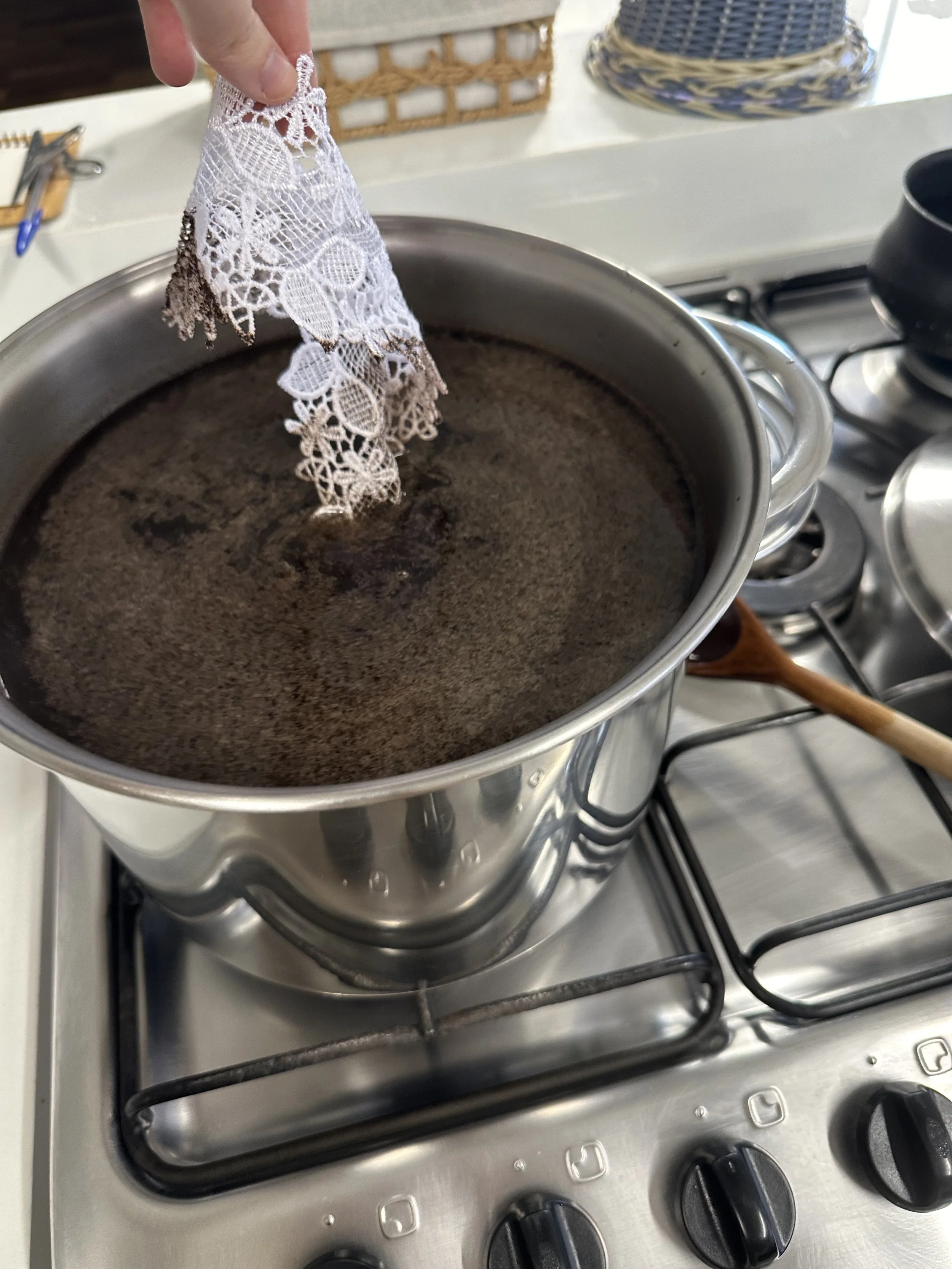
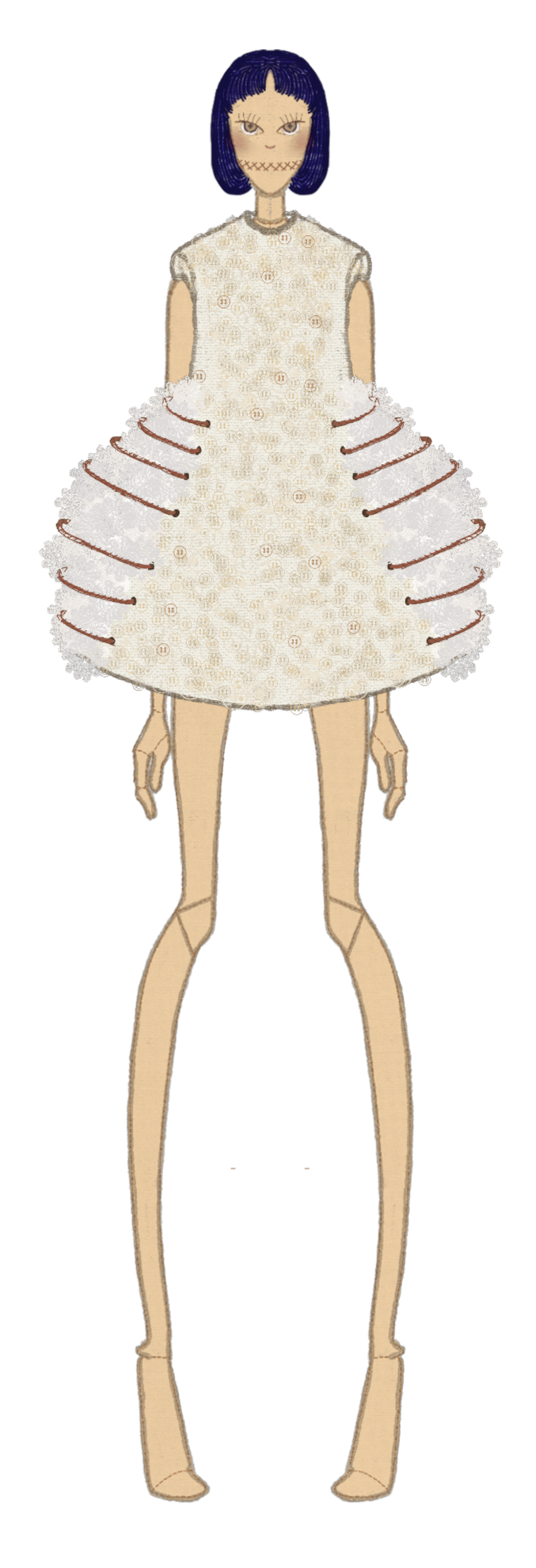
The lace strips were then layered over the padded structure of the dress to achieve the desired effect of excess and textural density.
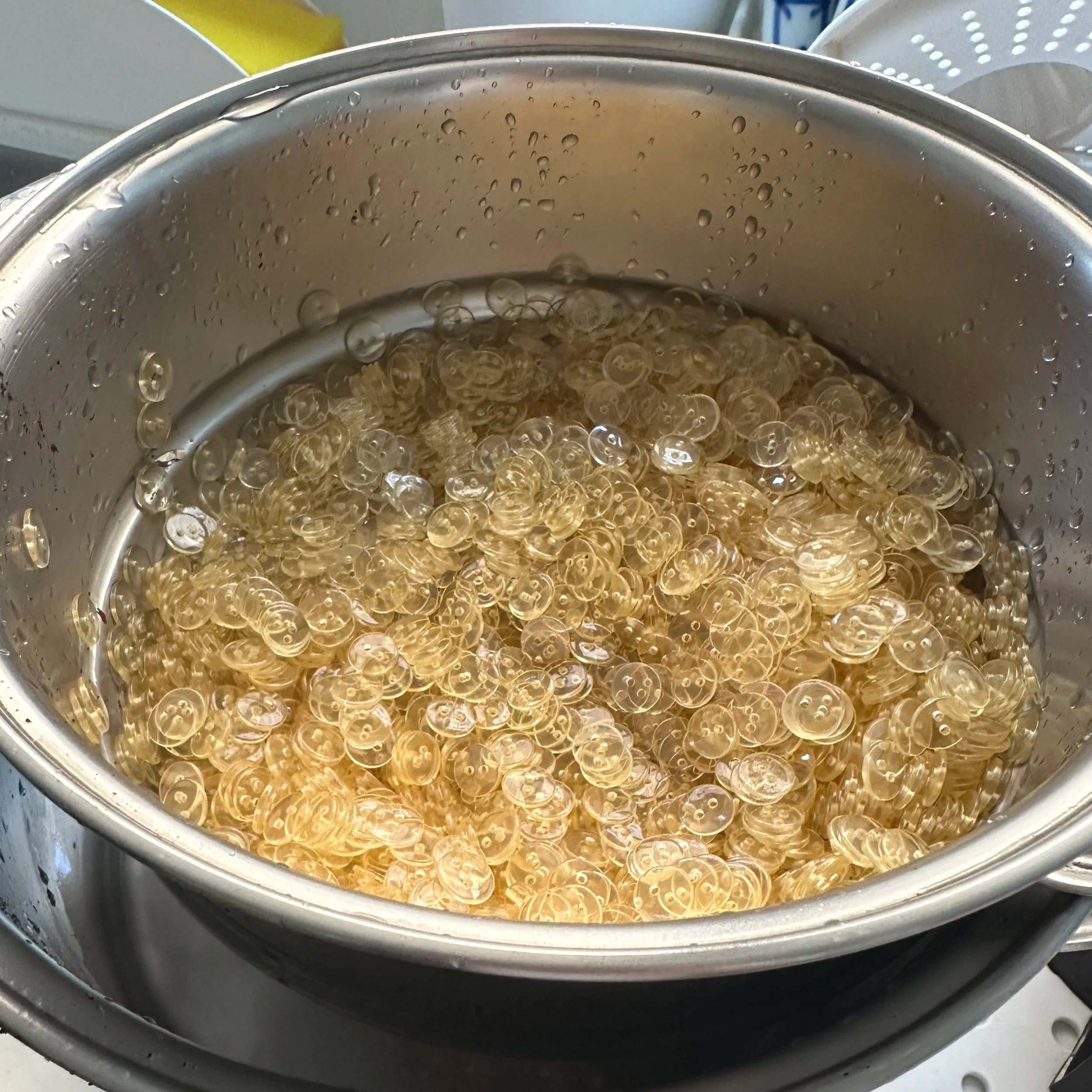
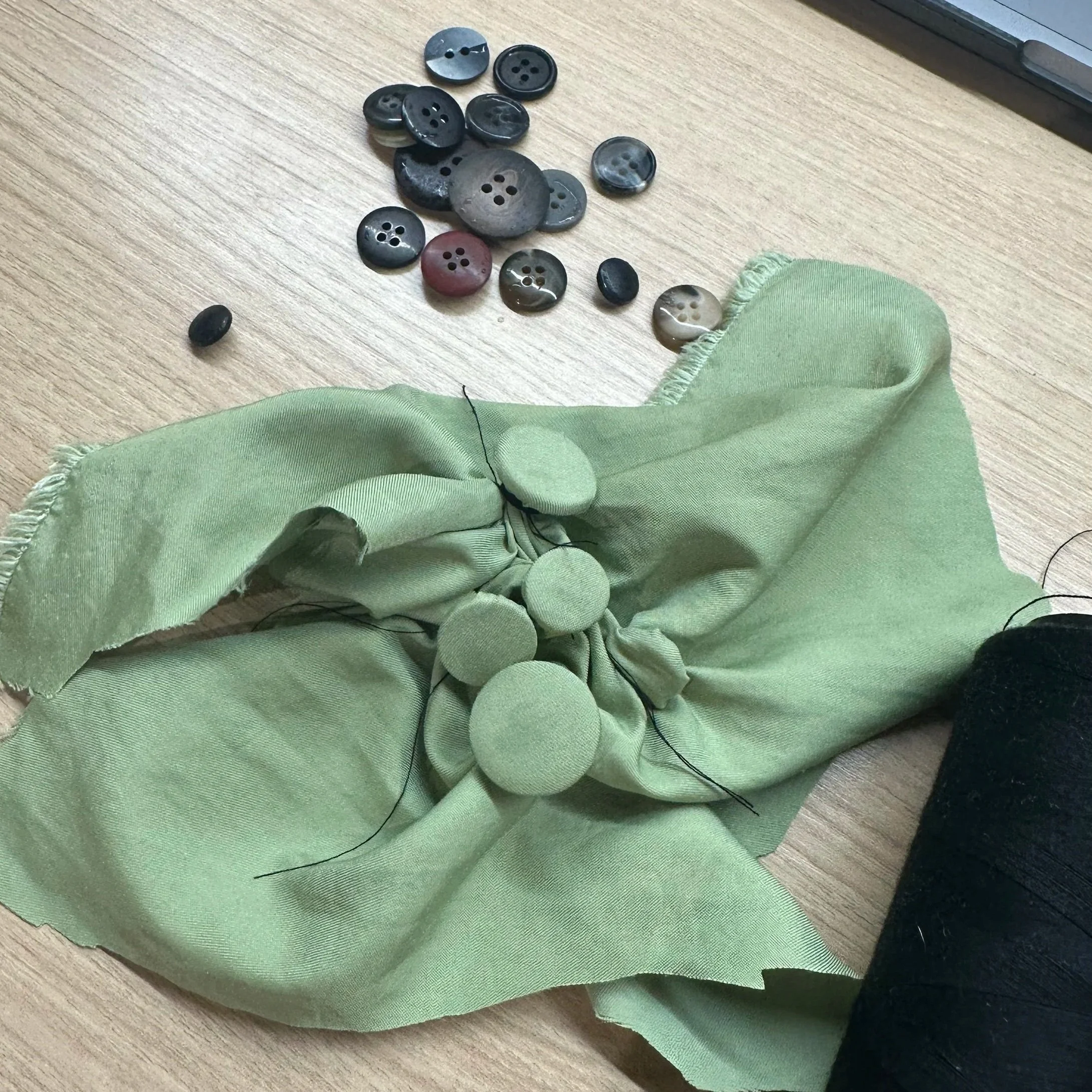
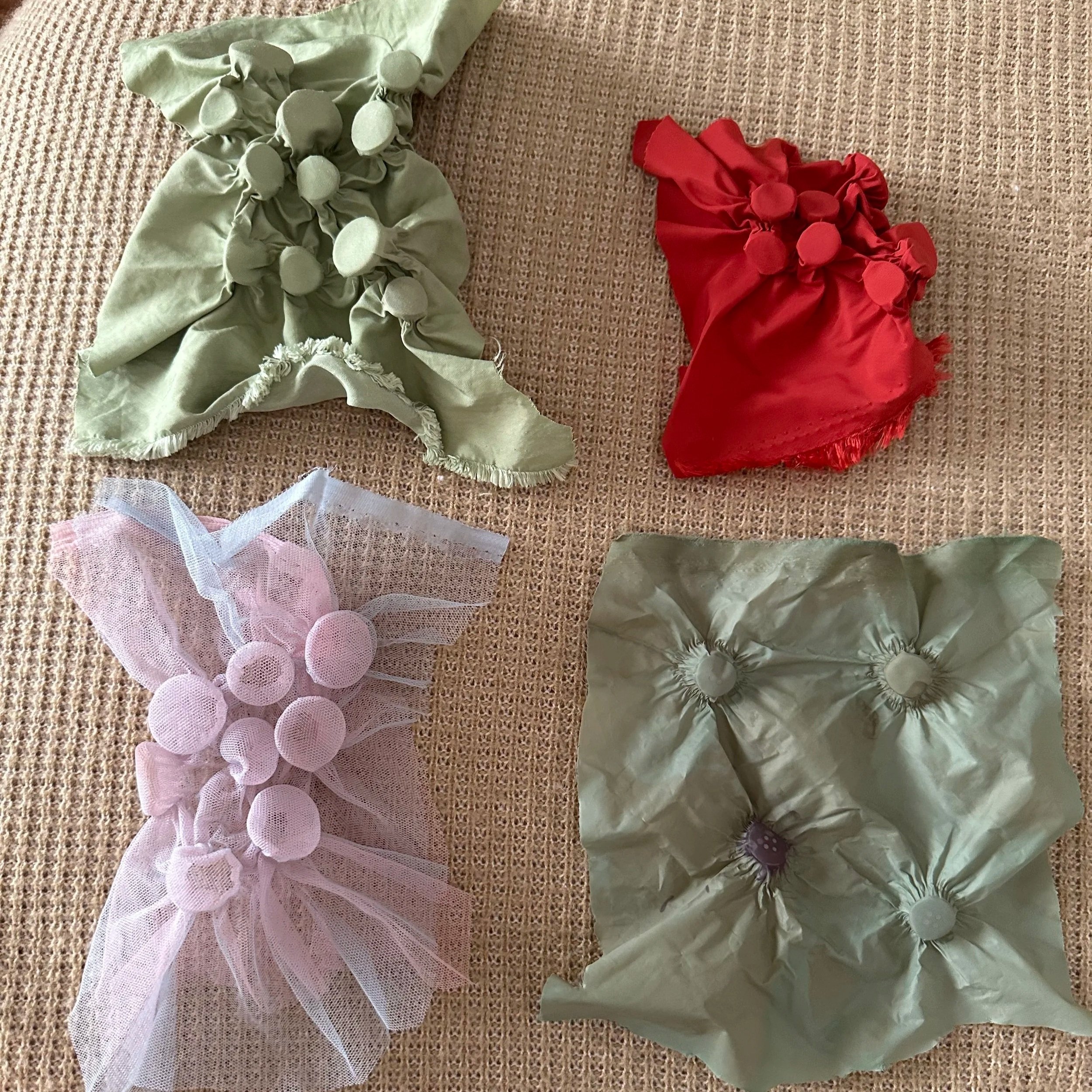
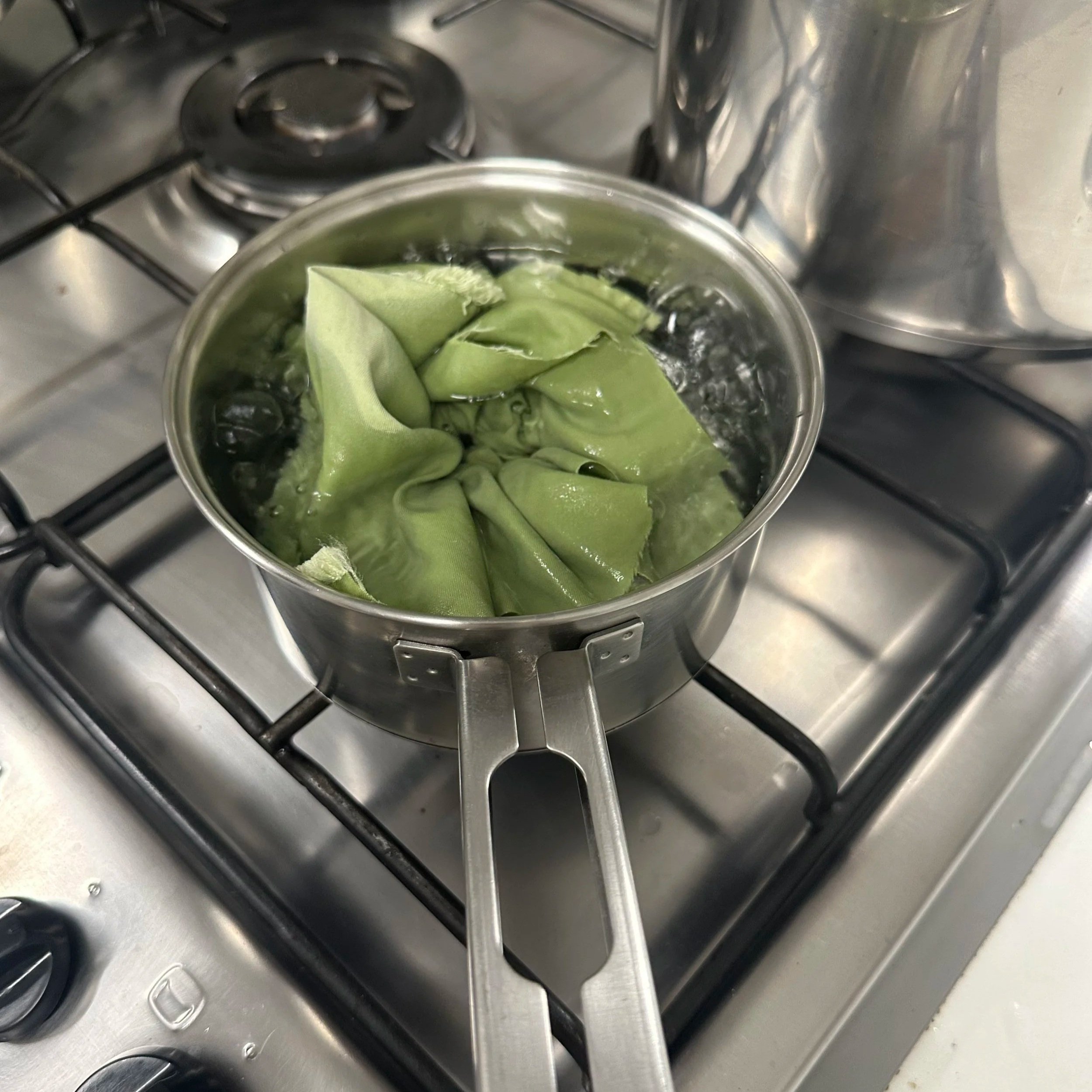
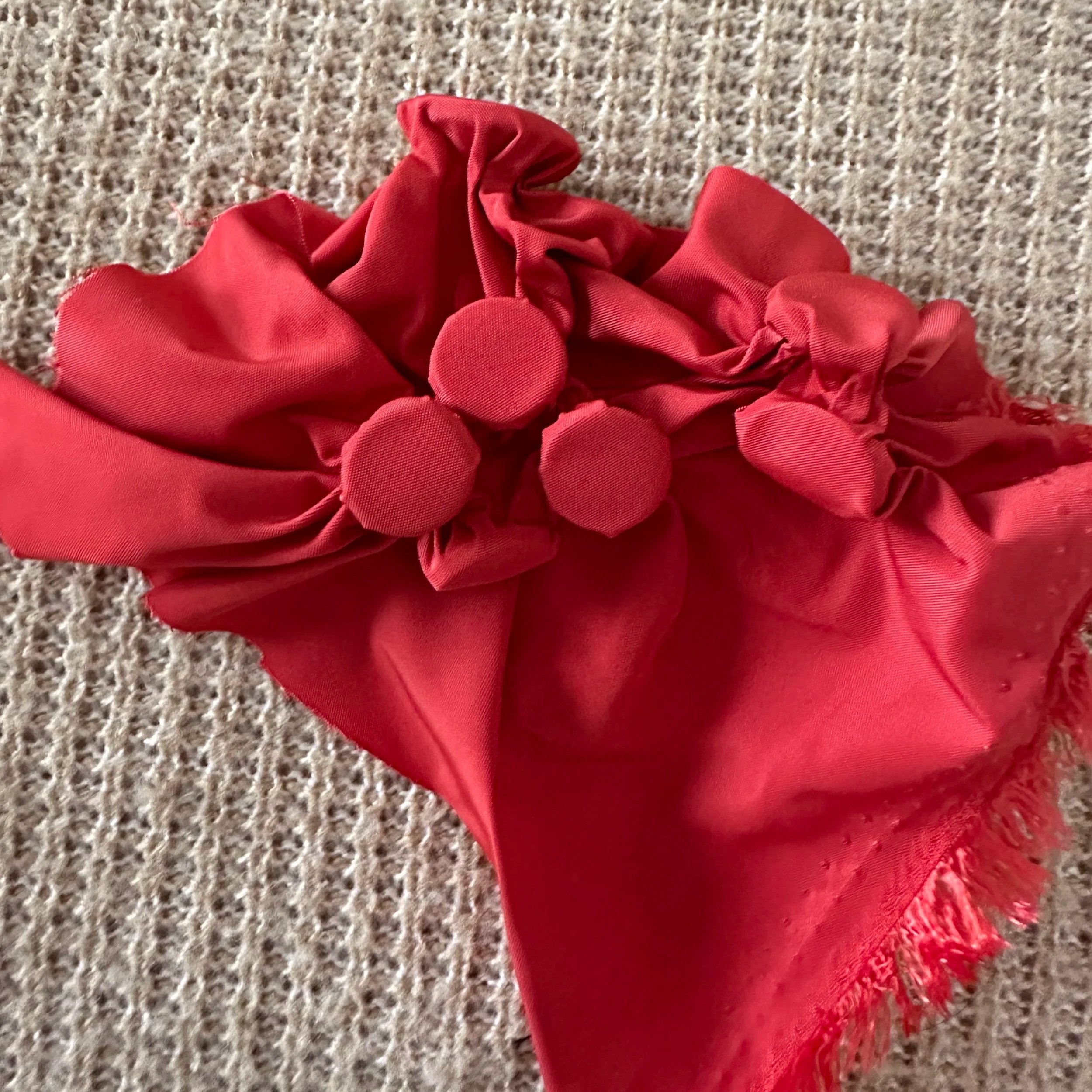
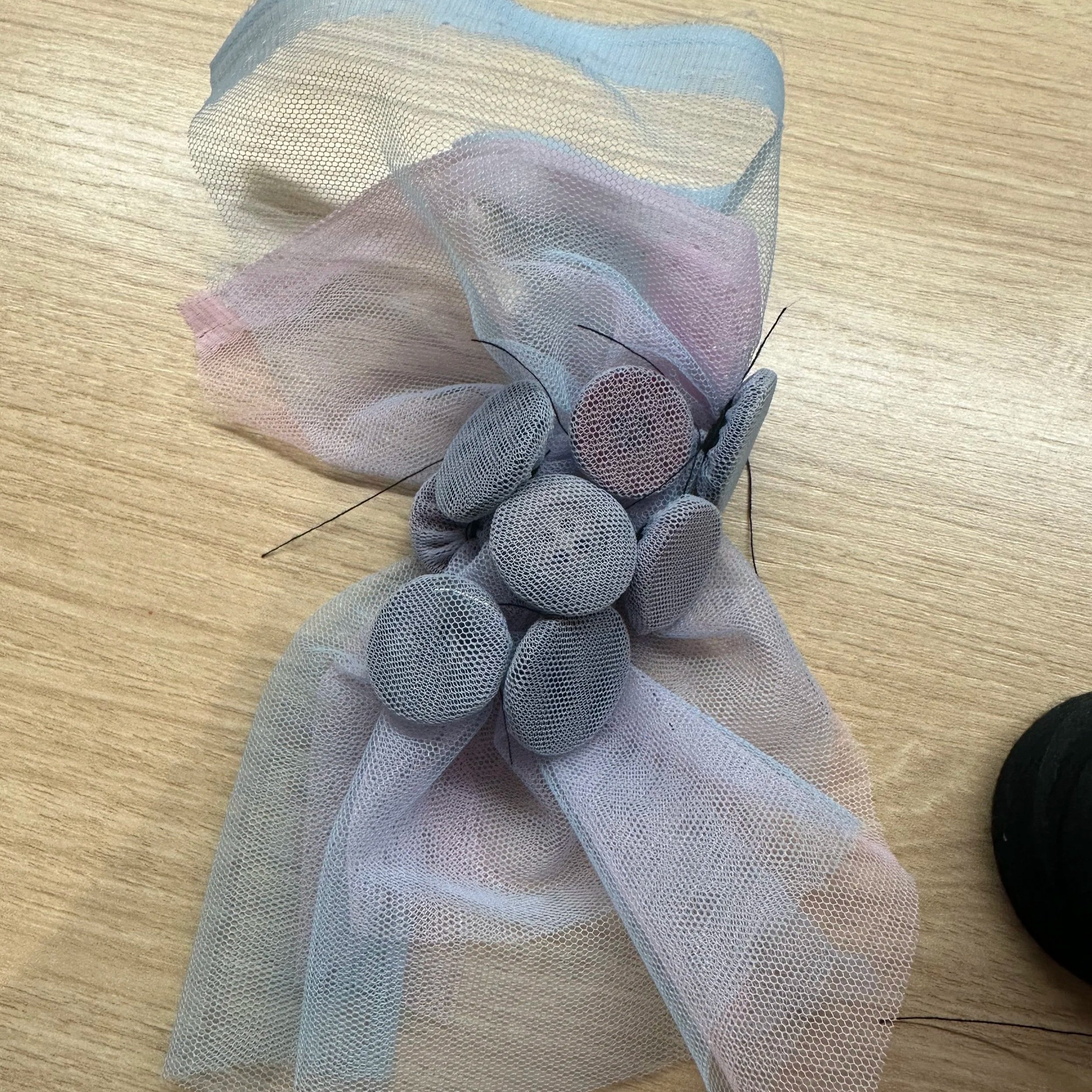
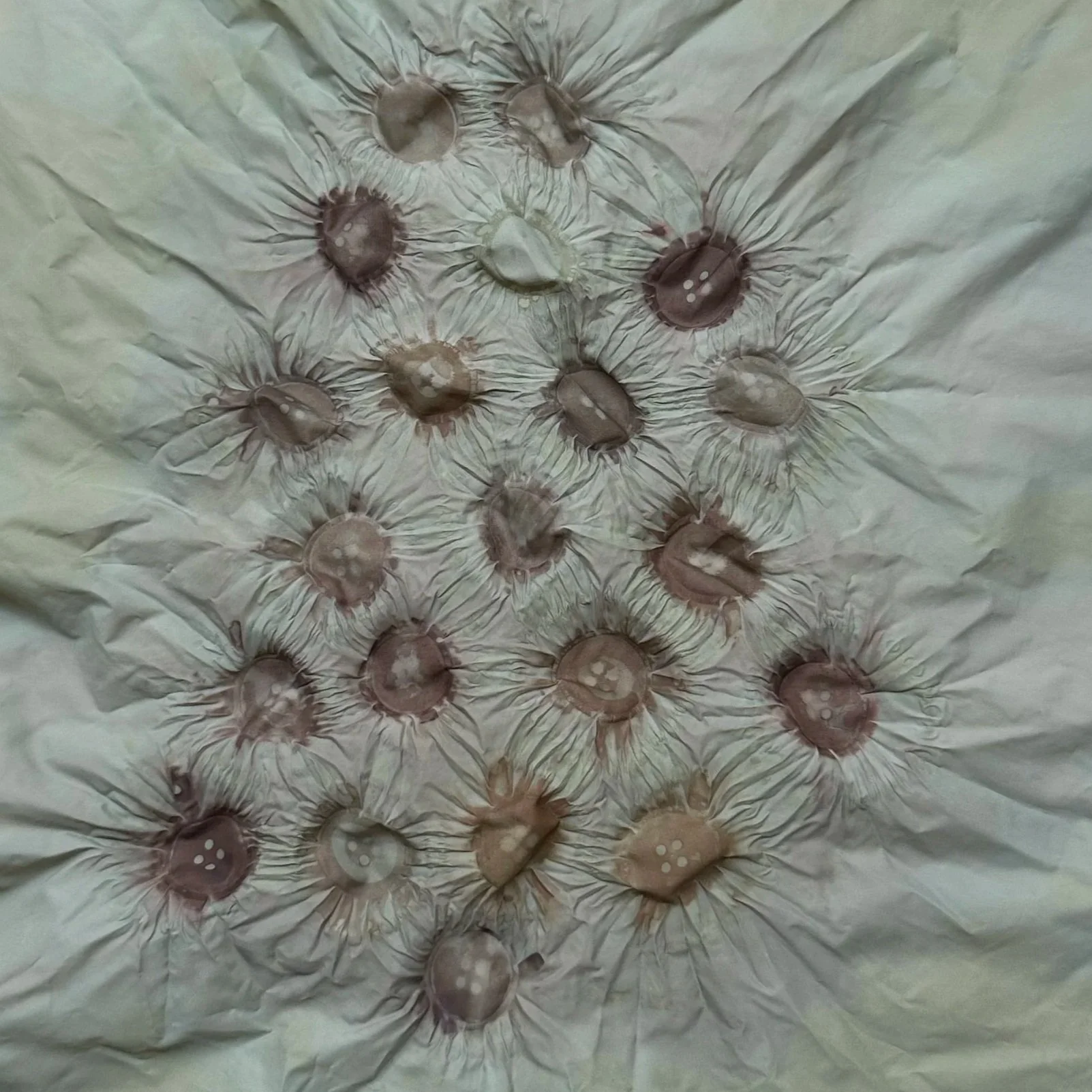
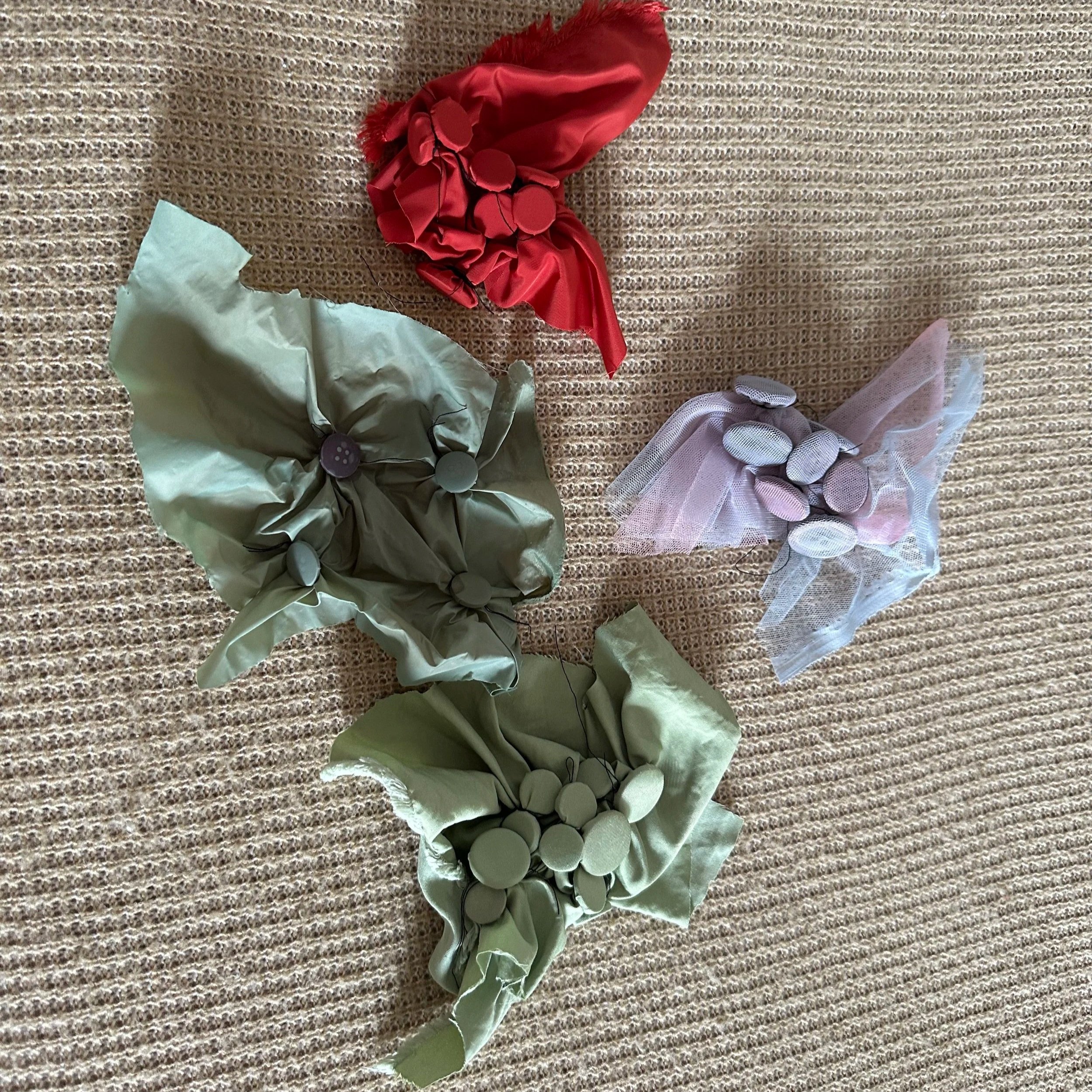
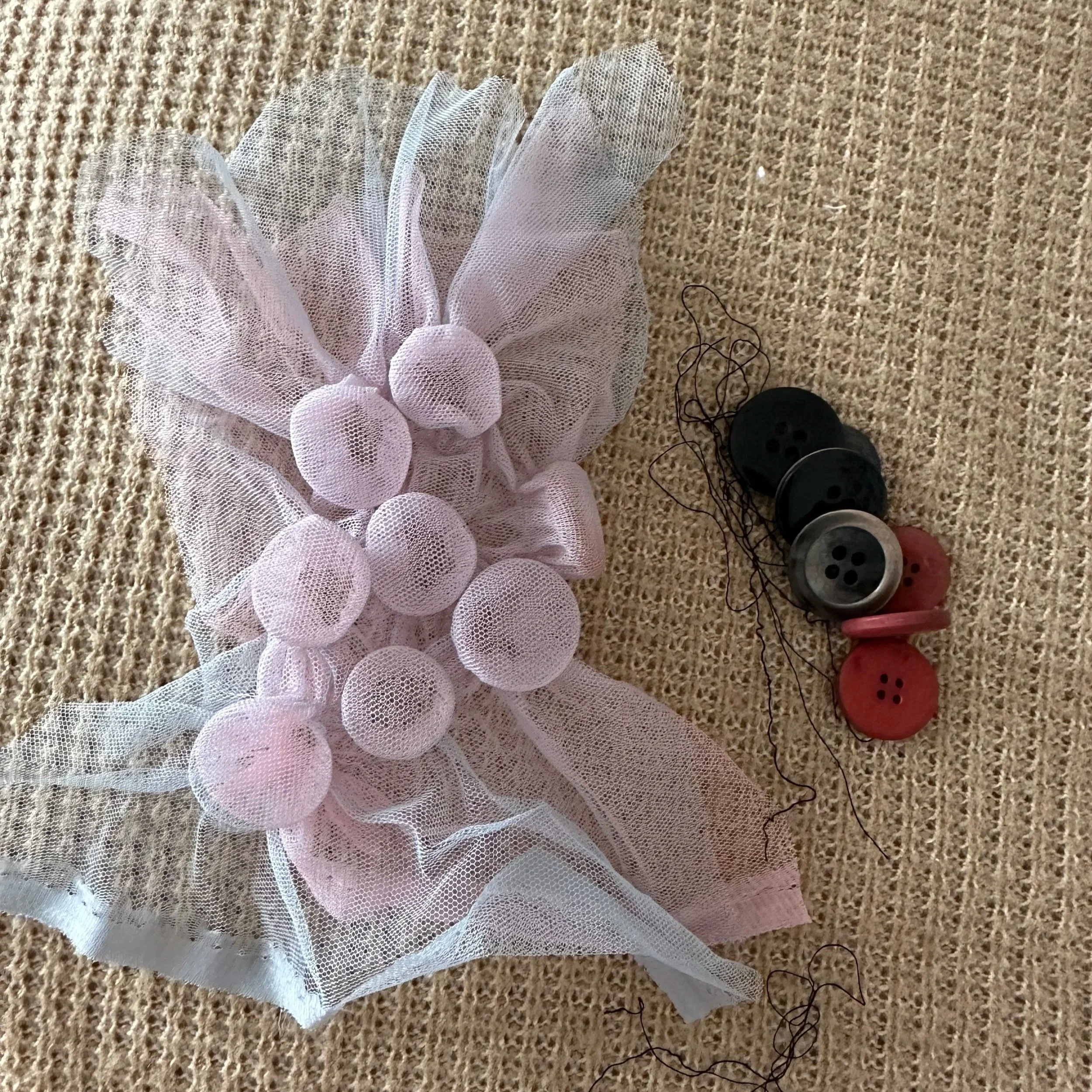
Seeking additional ways to incorporate buttons — a central symbol in the film — into the collection’s surfaces, I encountered the Japanese technique of shibori. Textural shibori manipulates fabric through binding, folding, twisting or compressing in order to create permanent three-dimensional patterns.
THE MOTH
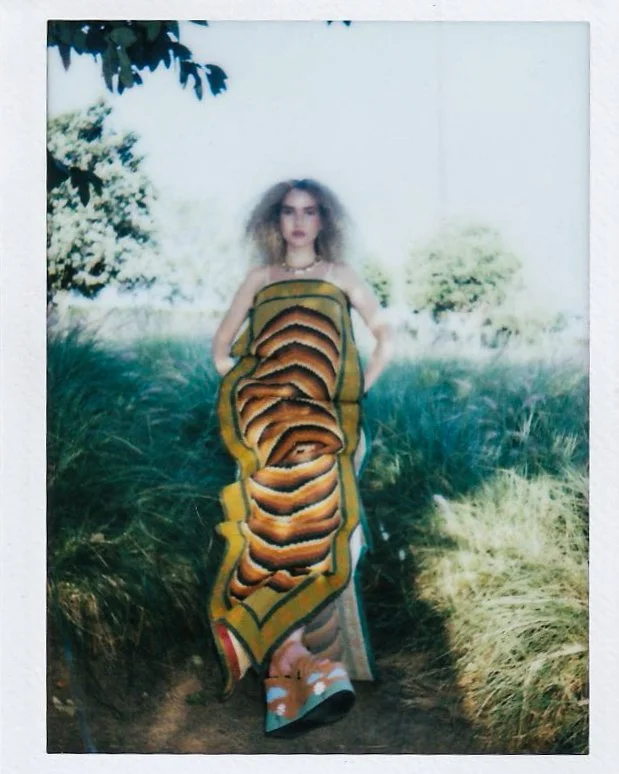
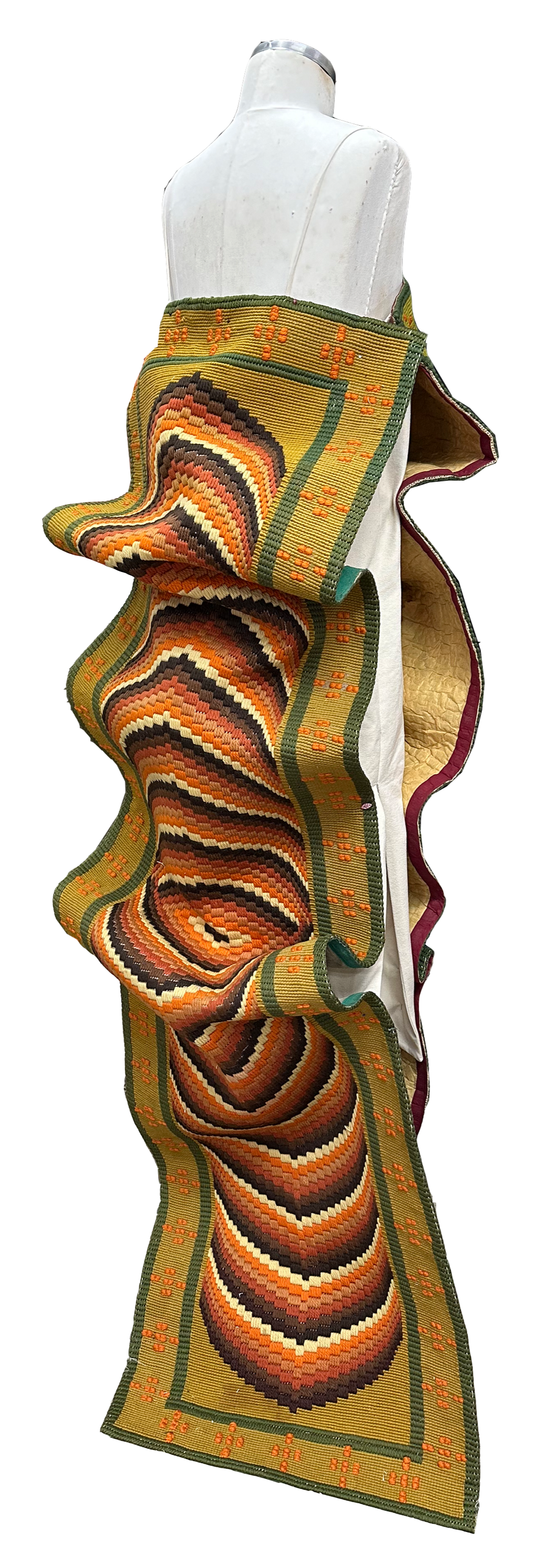
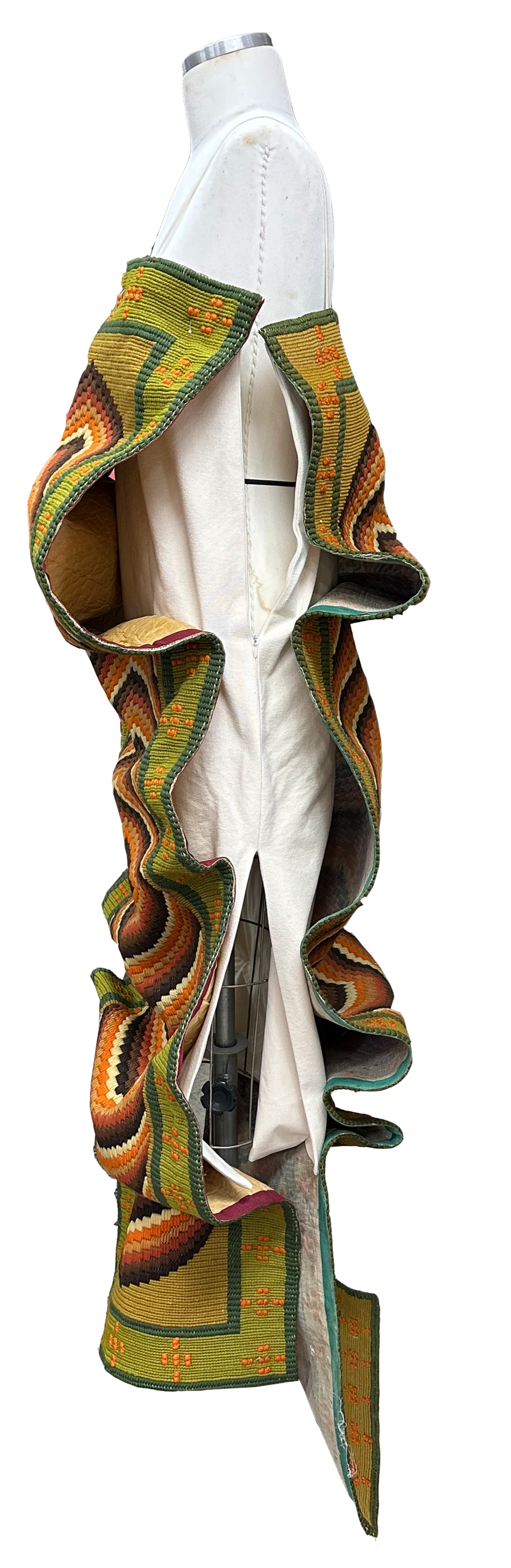
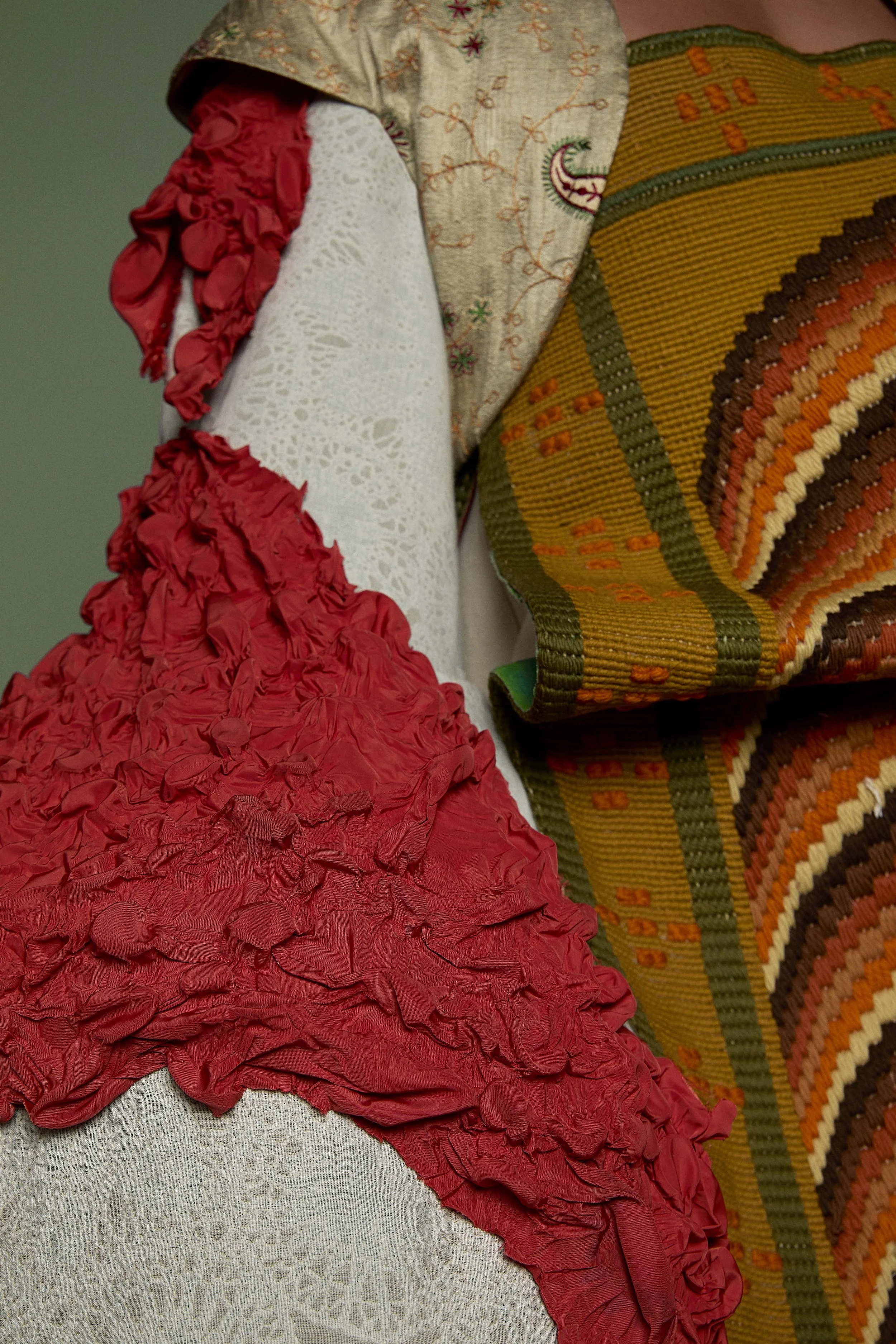

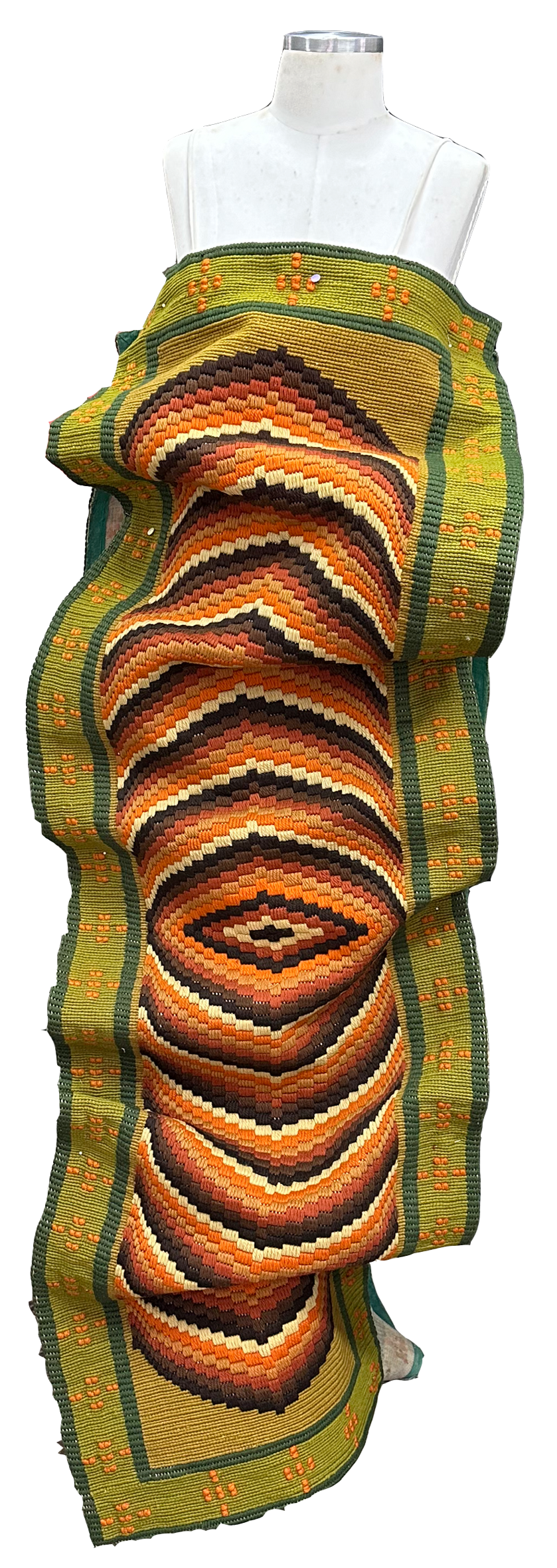
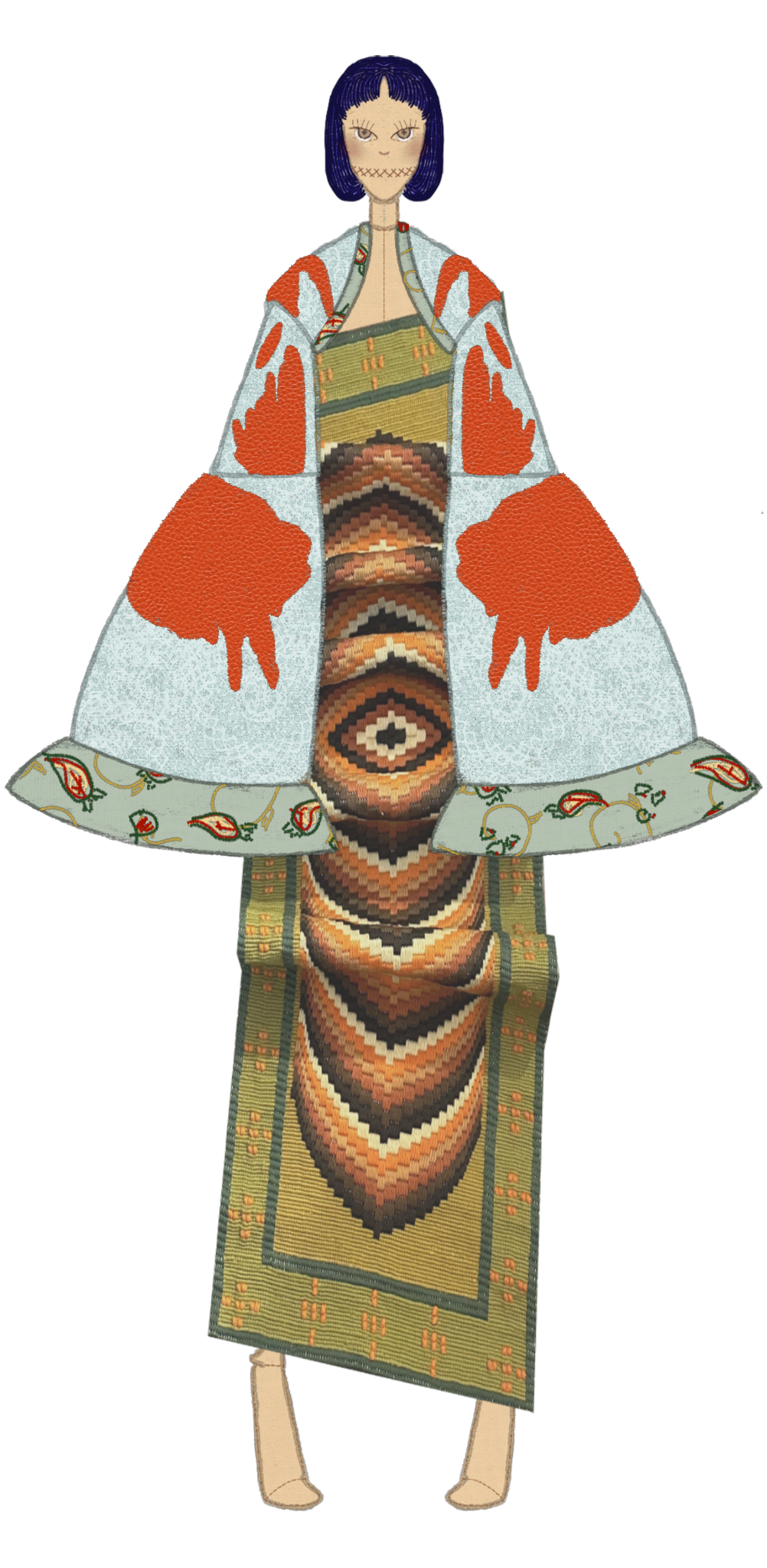
The rug was sourced from the curated selection of vintage objects at an antique shop. A simple straight base in cotton twill was first constructed, with side slits to allow movement. The rug was then draped and shaped over this base, temporarily secured with pins. Once the desired form was achieved, the rug was permanently stitched onto the dress using leather thread.
THE BUTTERFLY

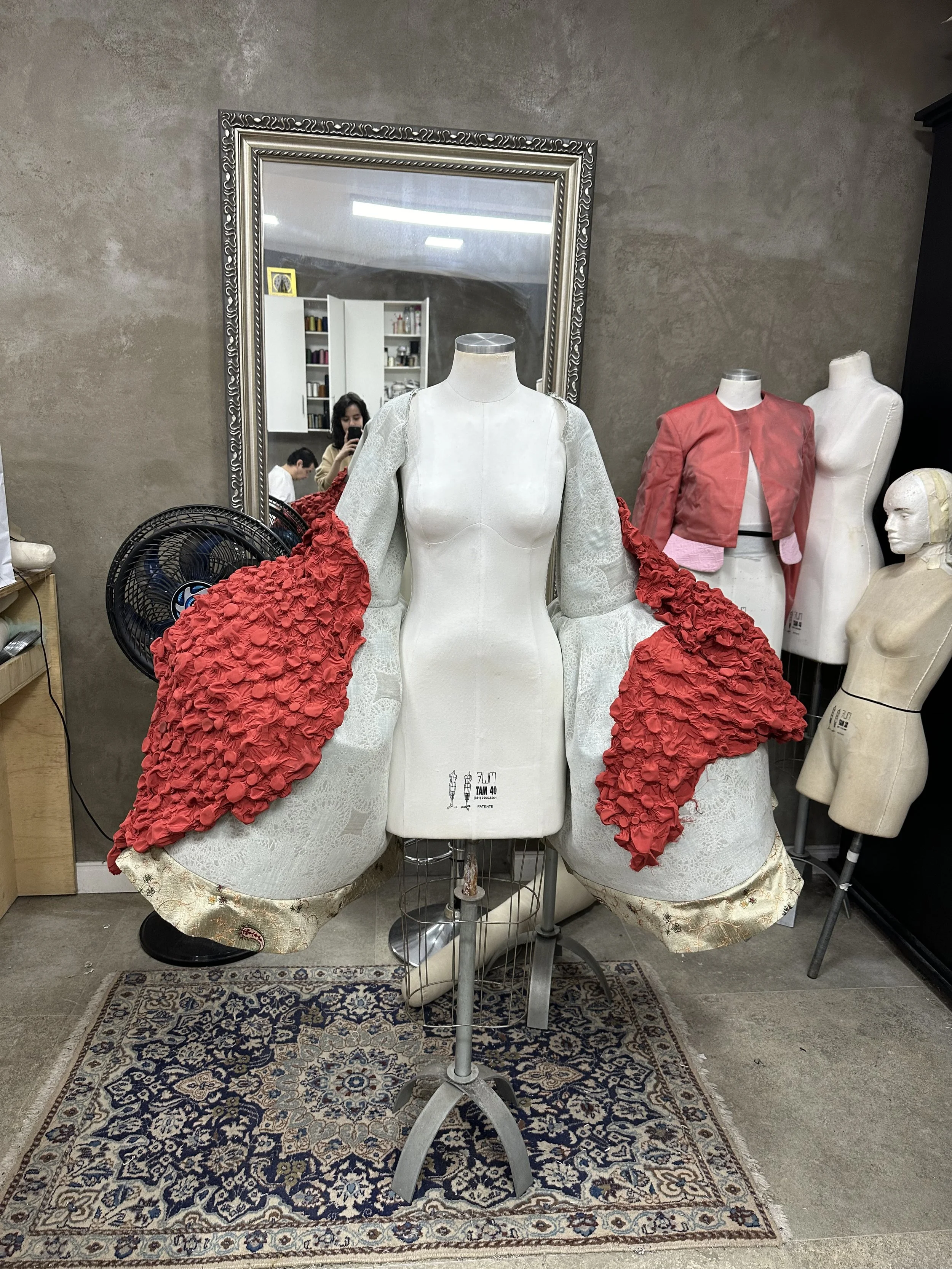
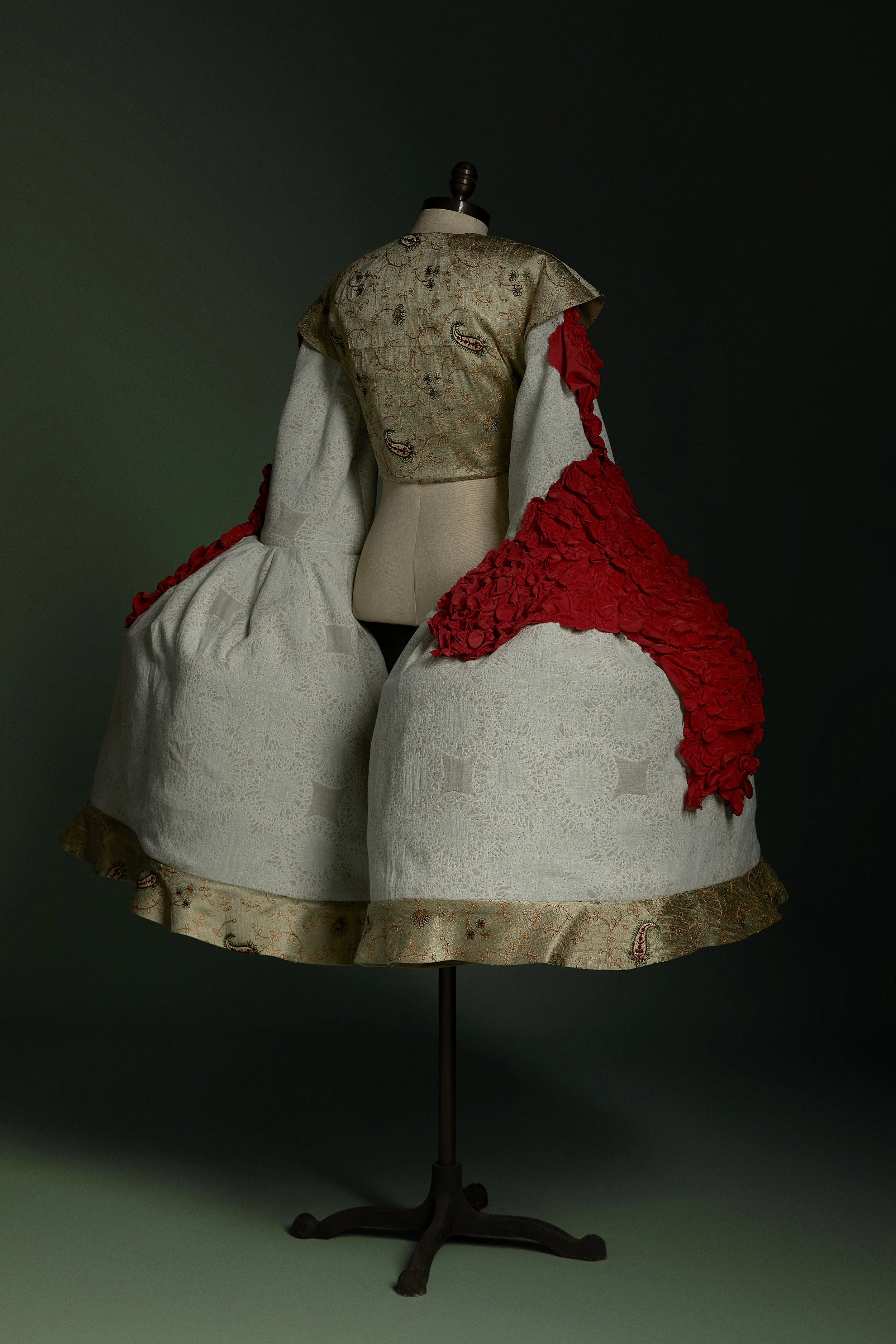
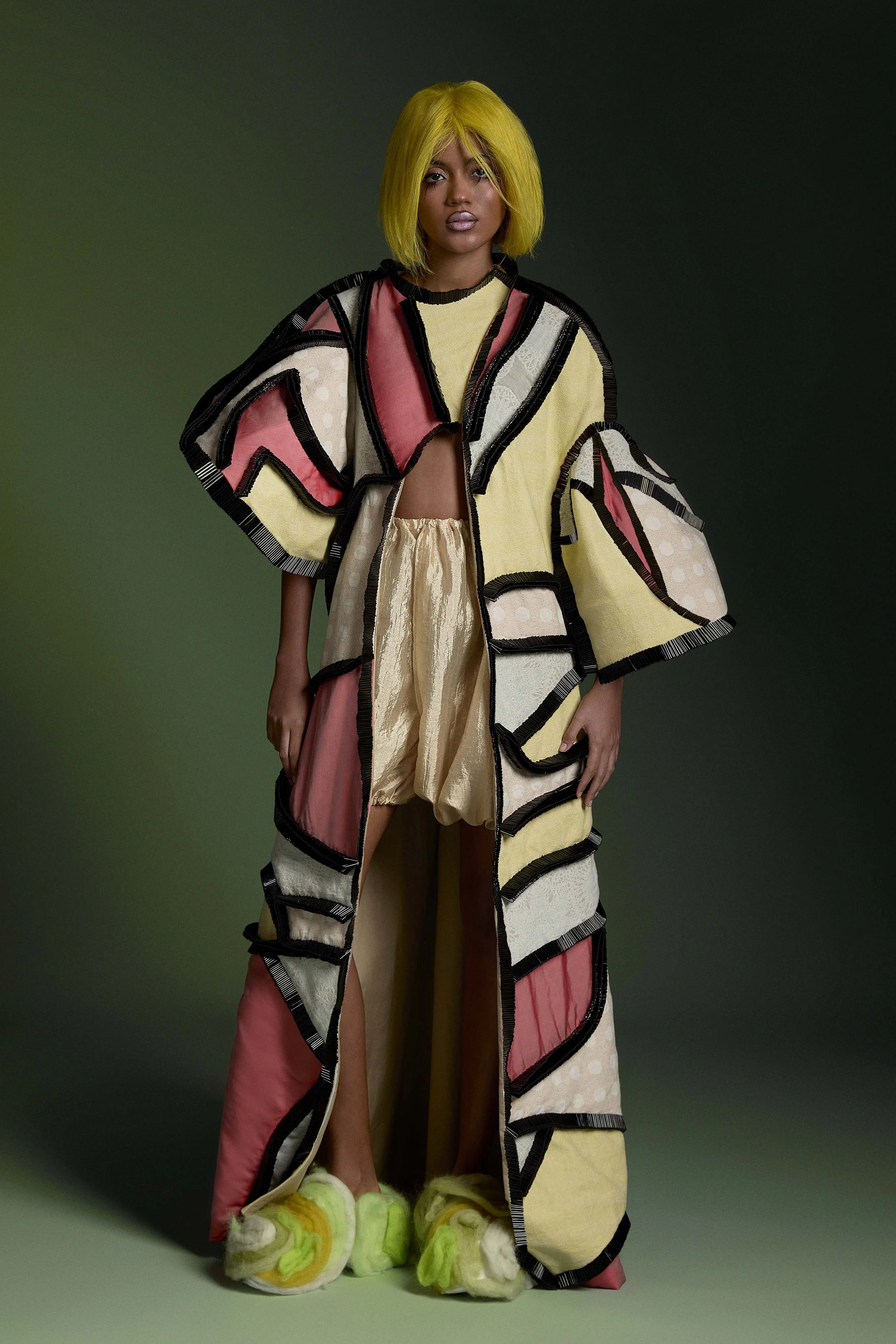
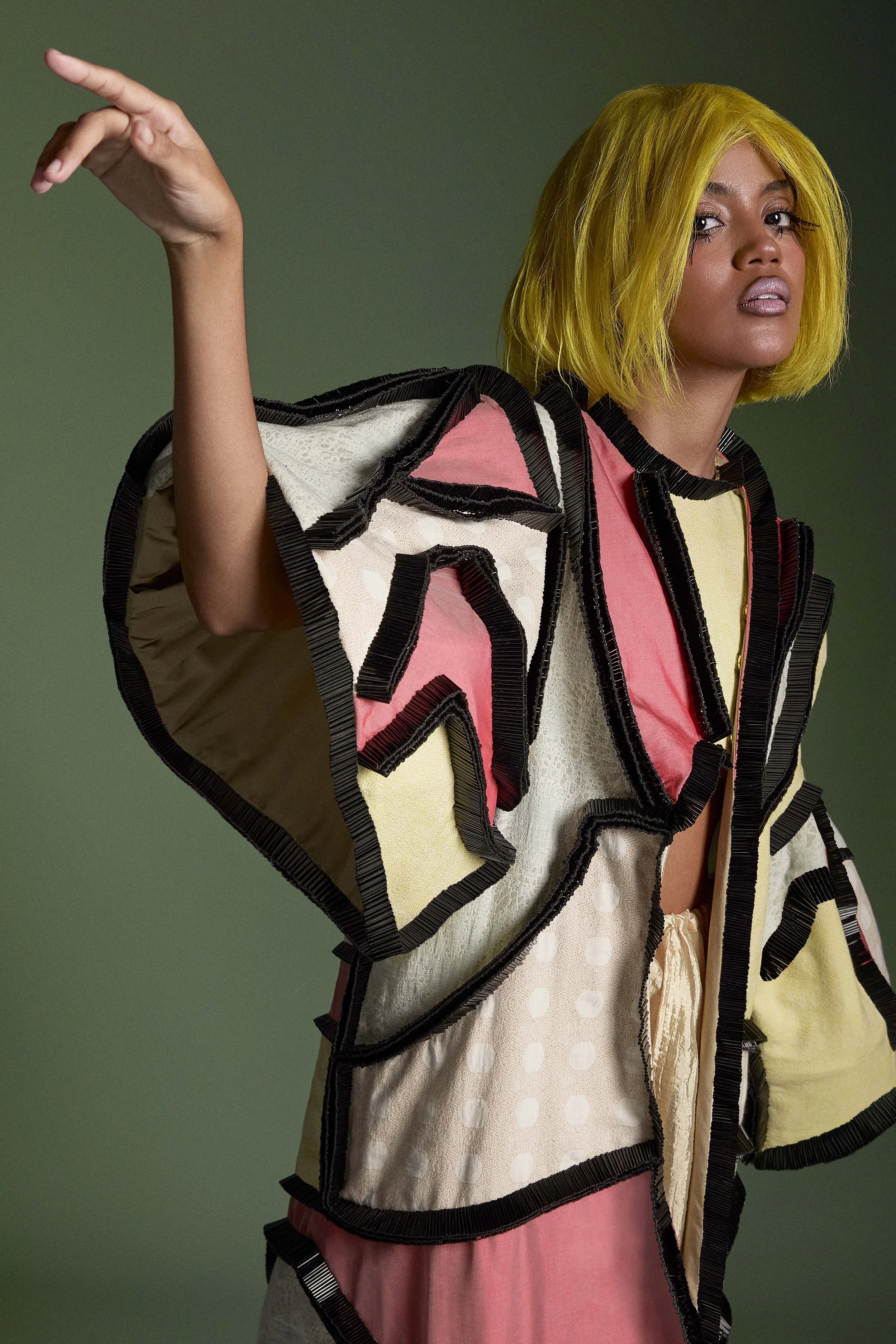
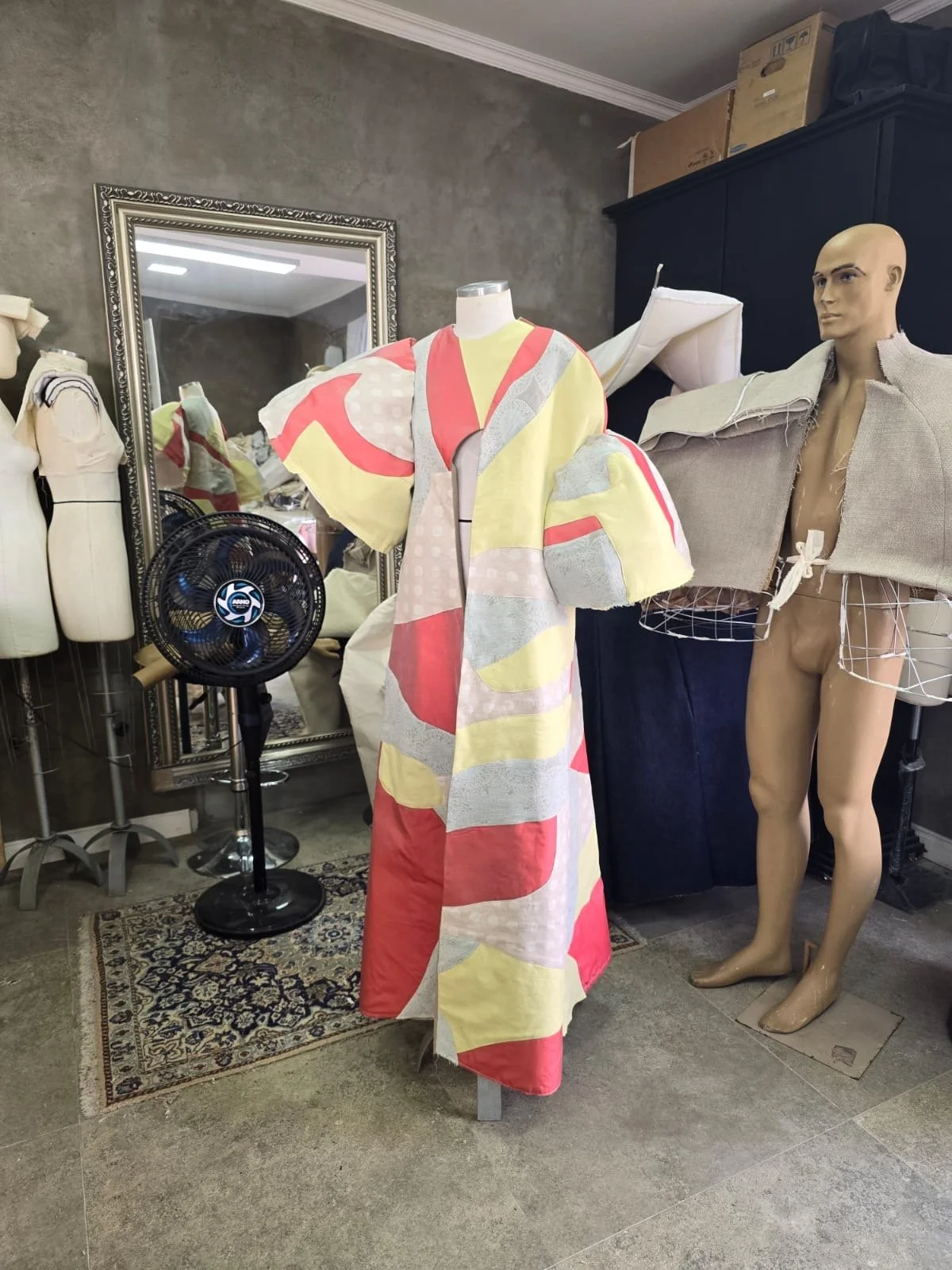
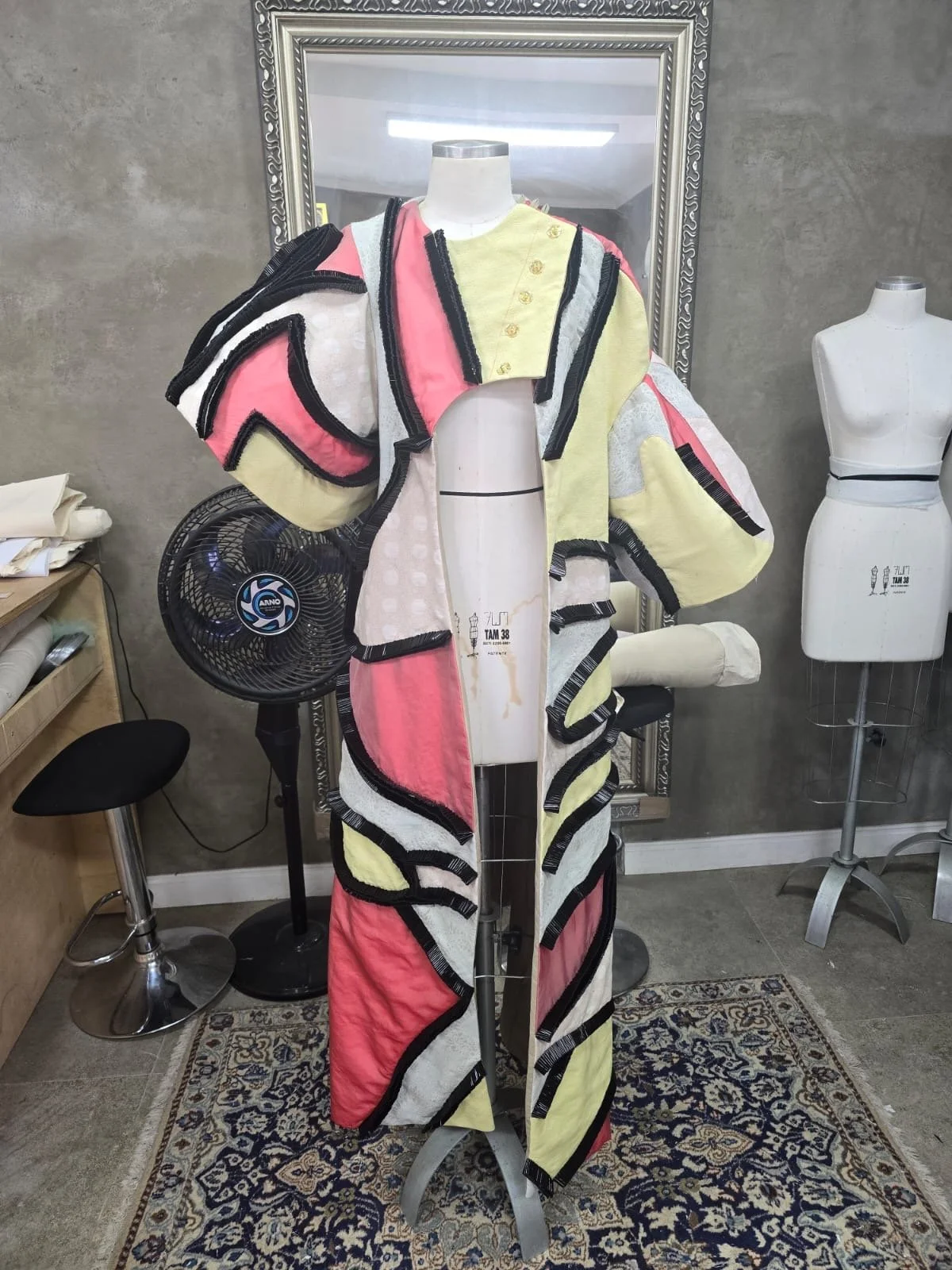
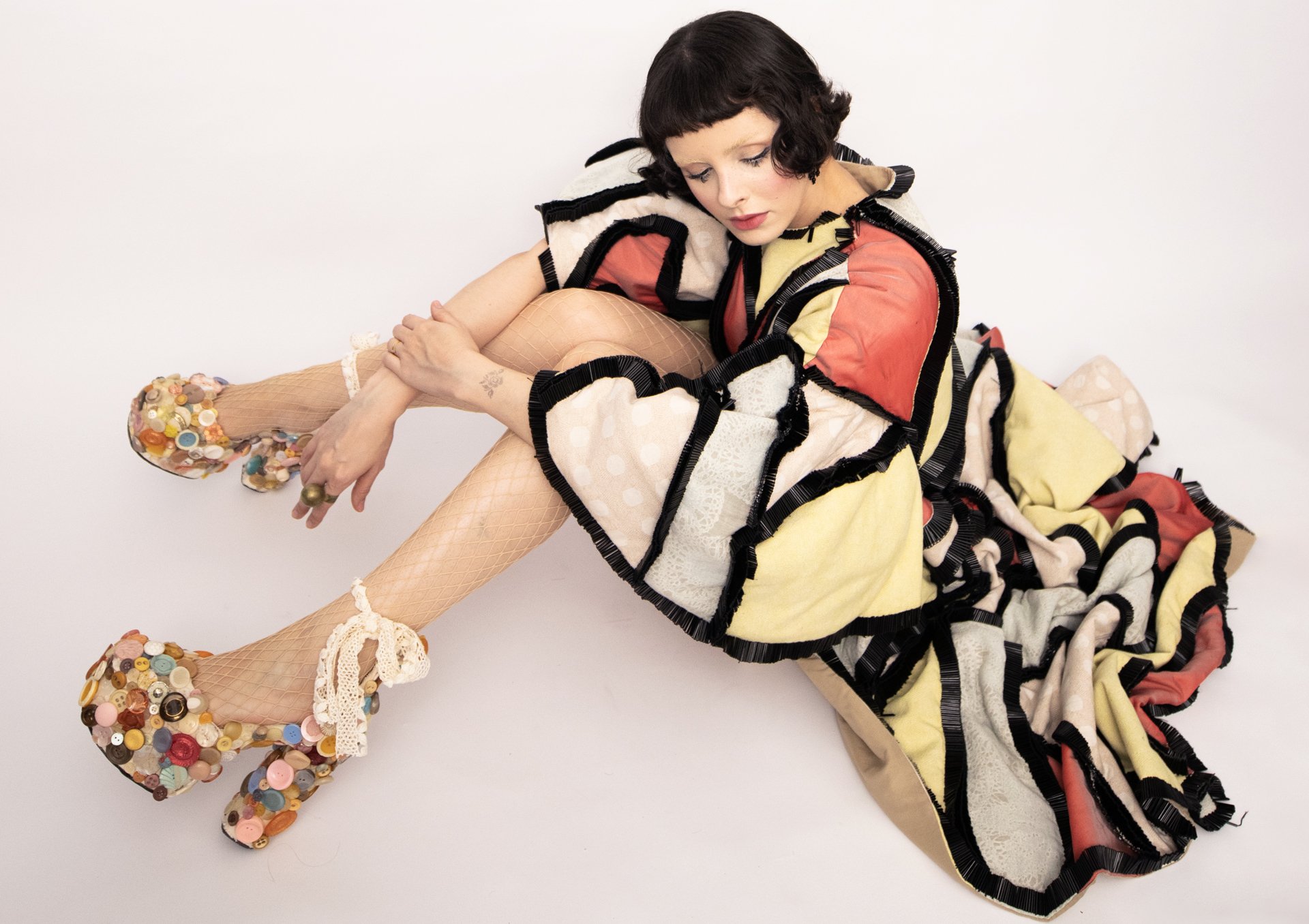
For this look, I incorporated sourced and repurposed materials, including found fabrics, organza, silk, and an antique bedspread, combining them to create layered textures and a sense of lived-in memory.
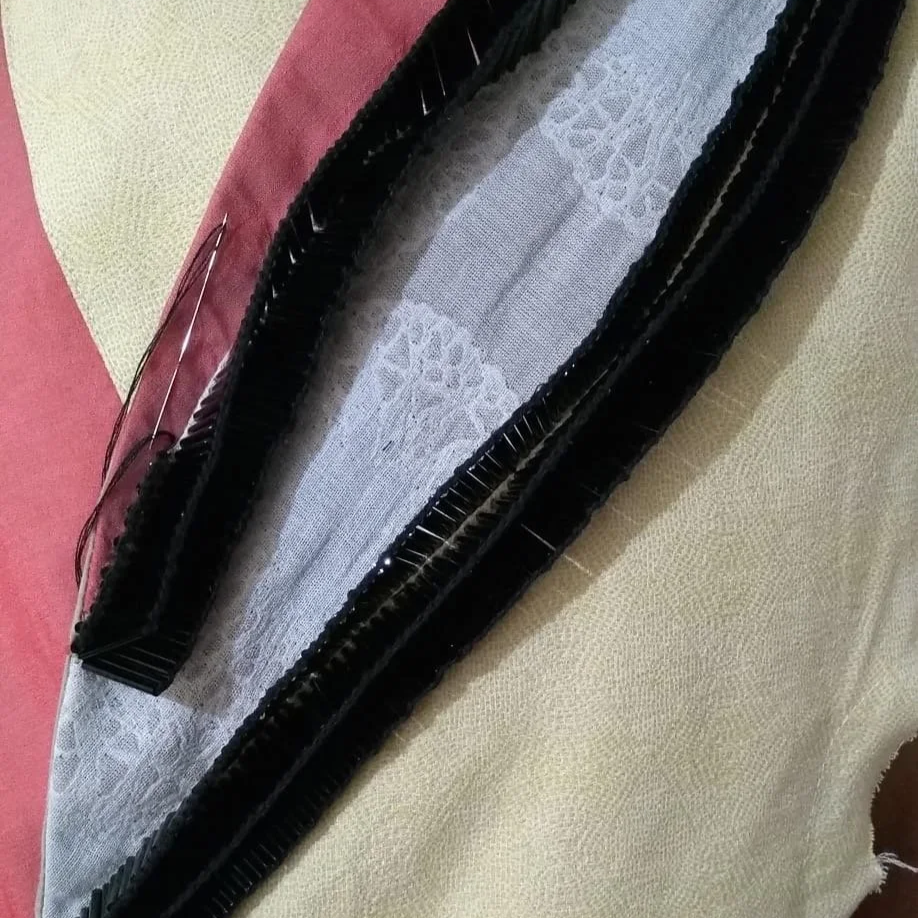
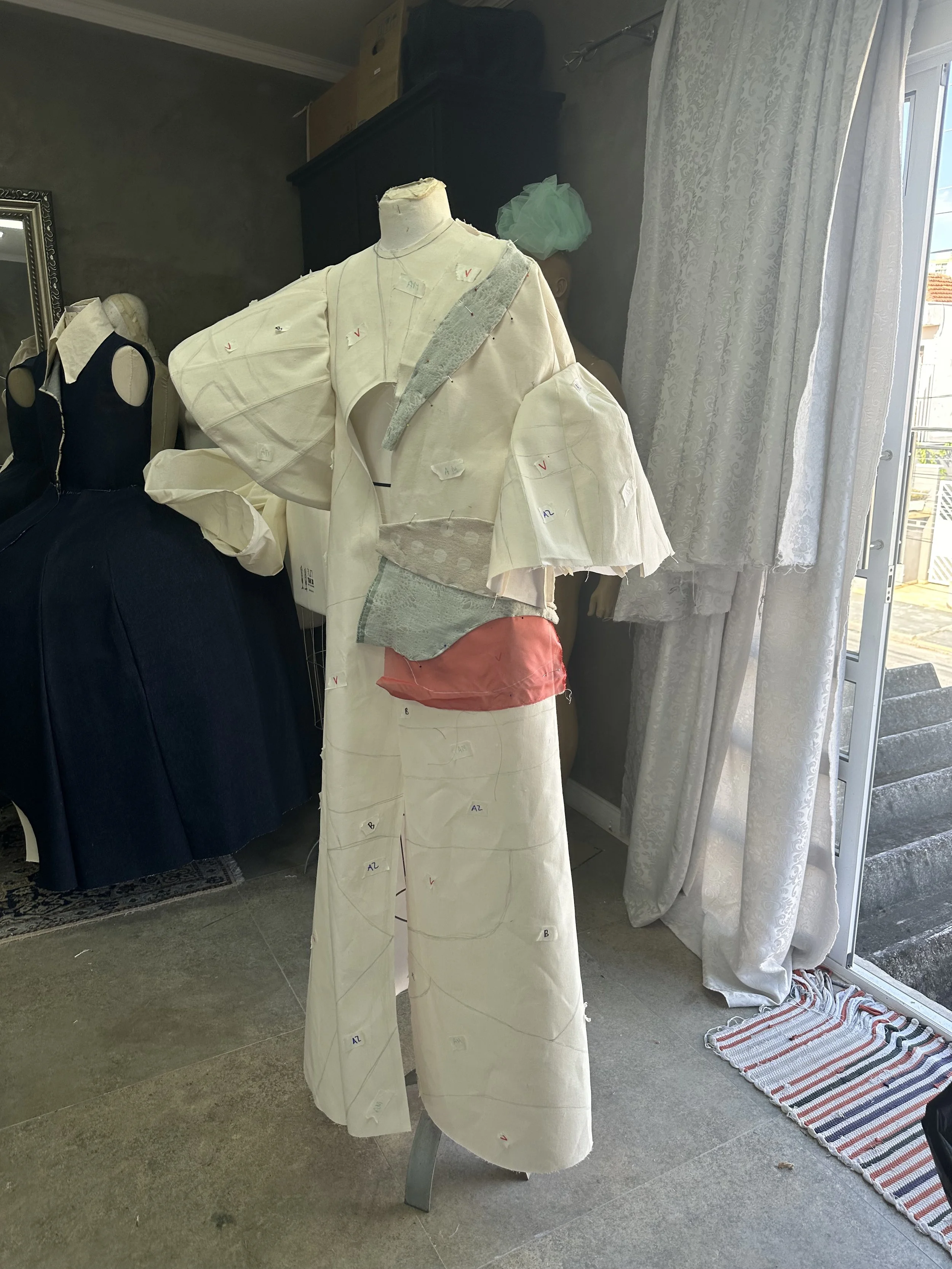
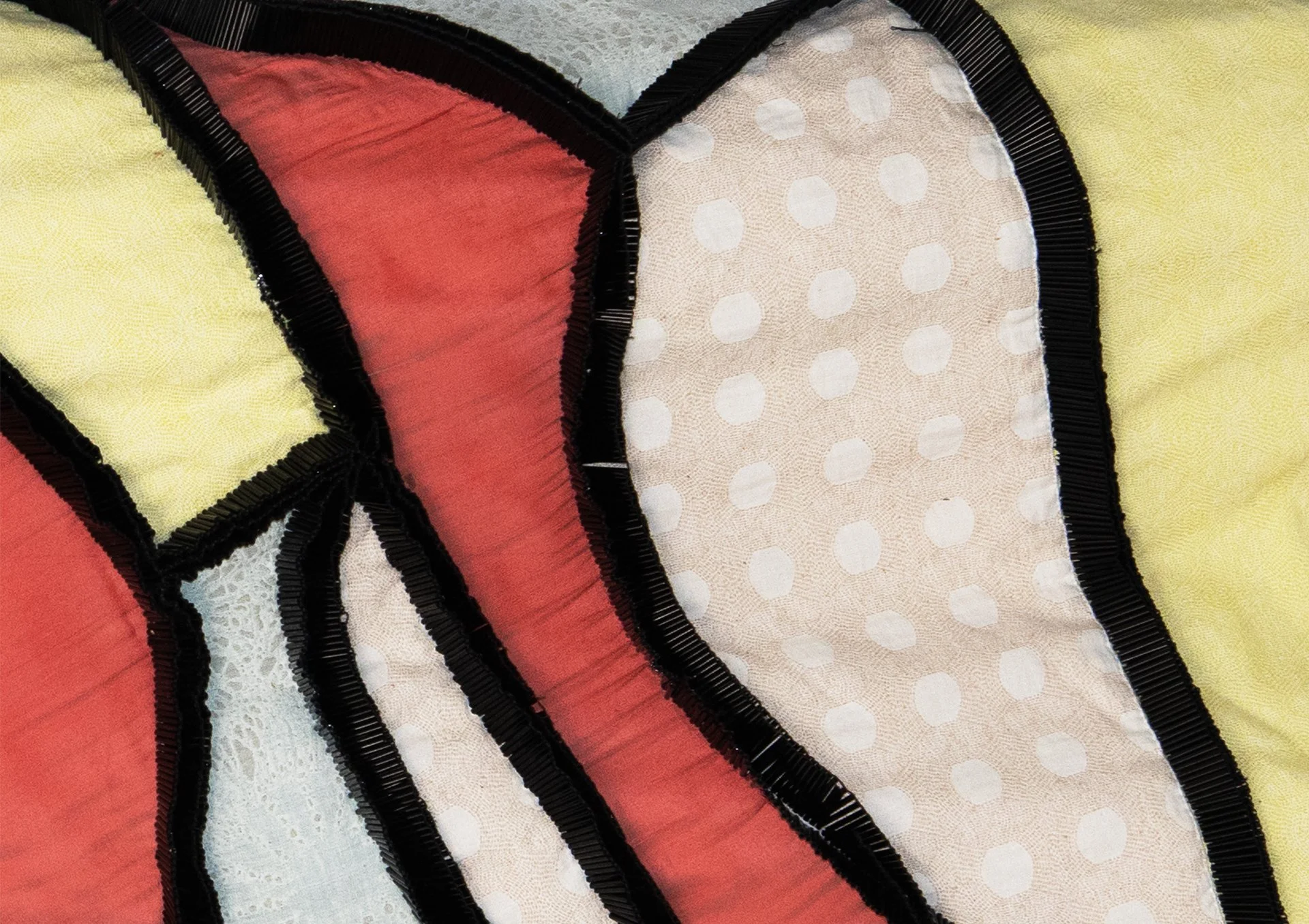
Inspired by stained-glass mosaics, this piece was built through a patchwork of different fabrics arranged like fragmented panels. The seams were highlighted with bugle bead embroidery, referencing the lead lines of a window and adding subtle texture and structure to the composition.
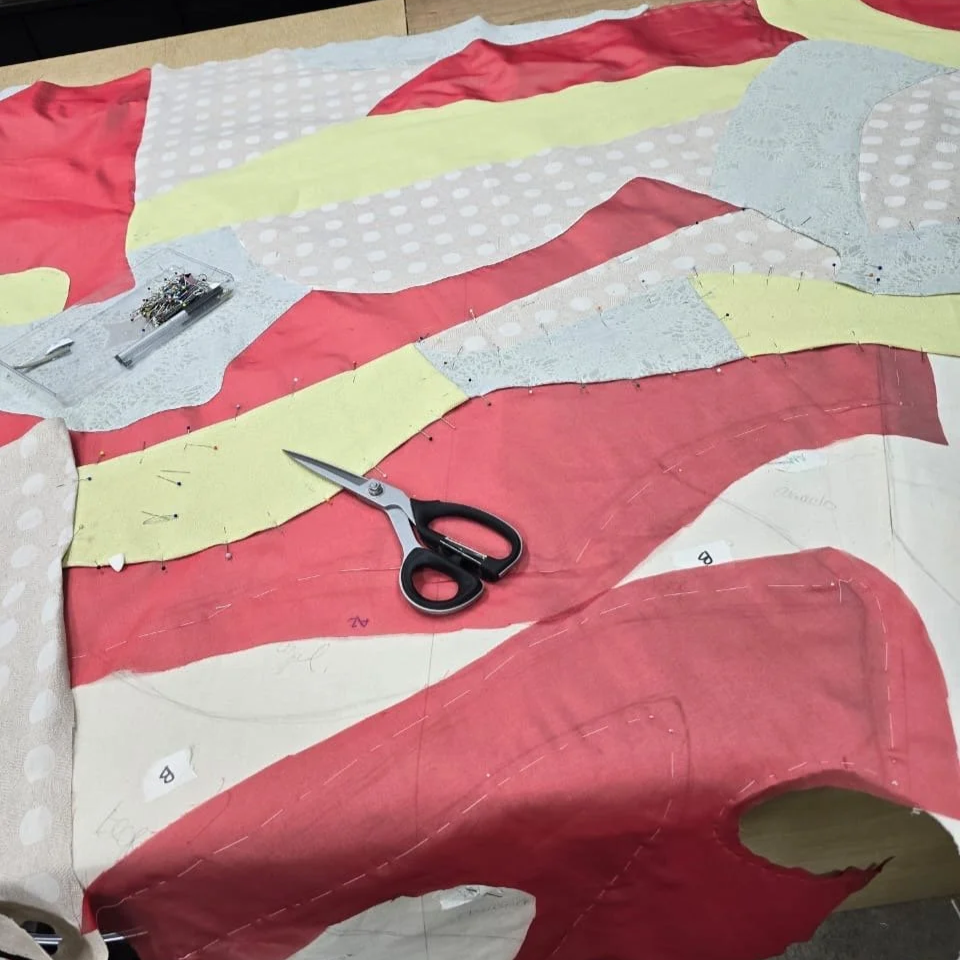
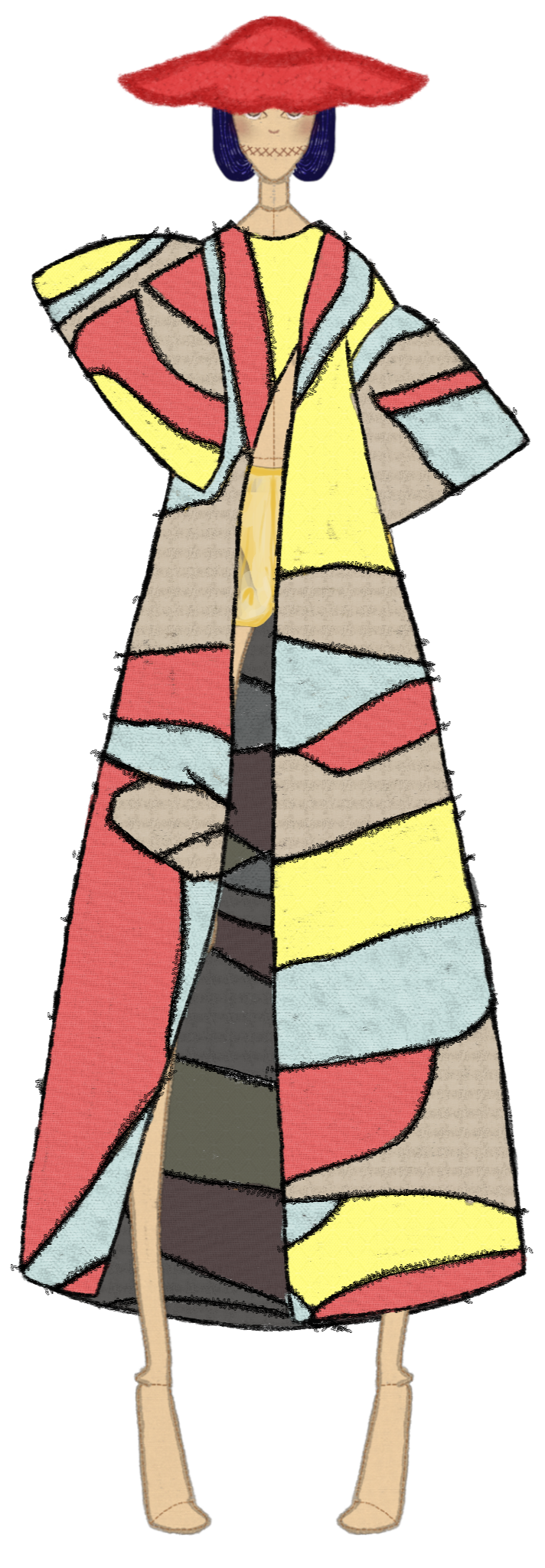
STAINED GLASS CAPE
ACCESSORIES
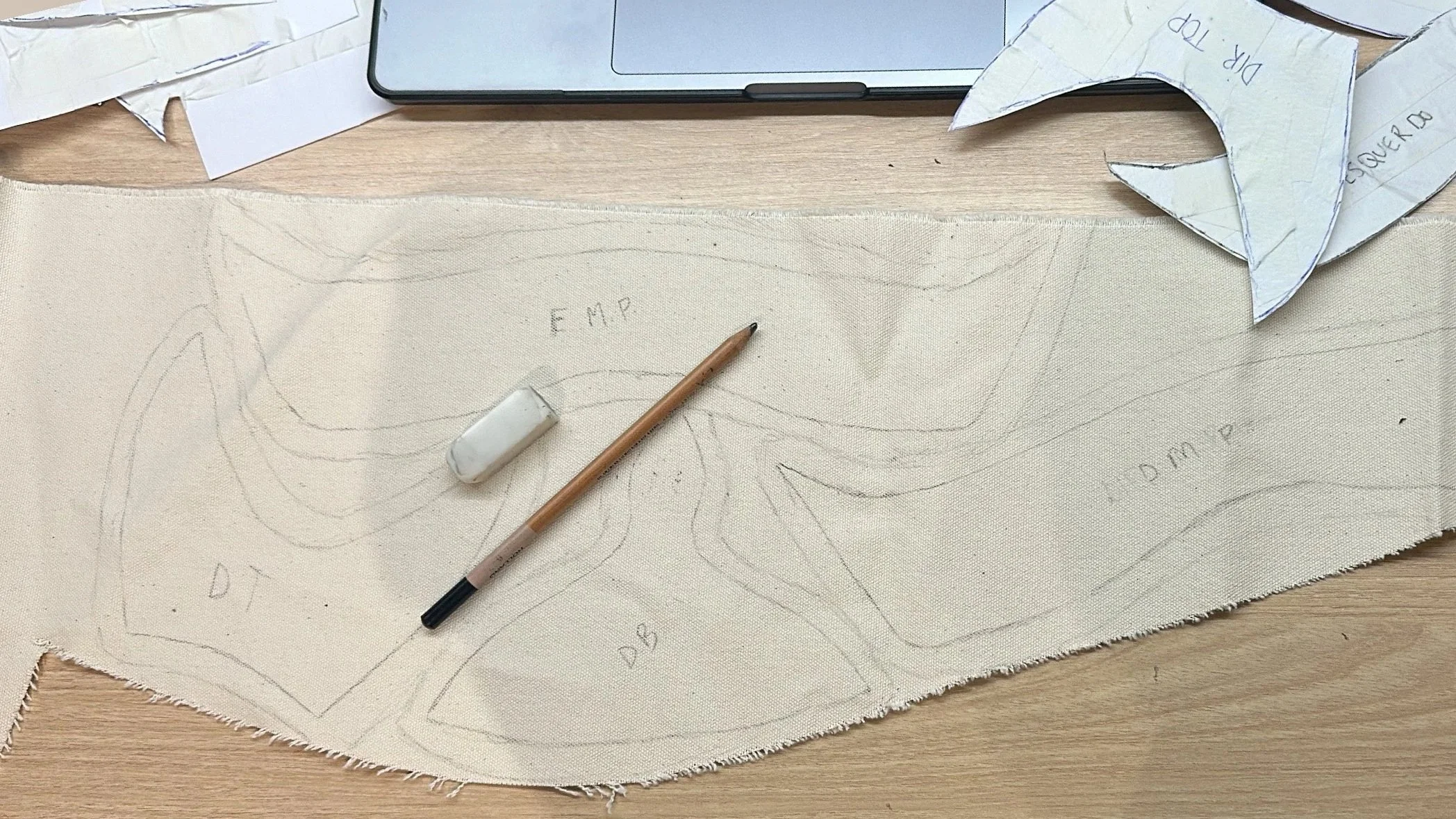
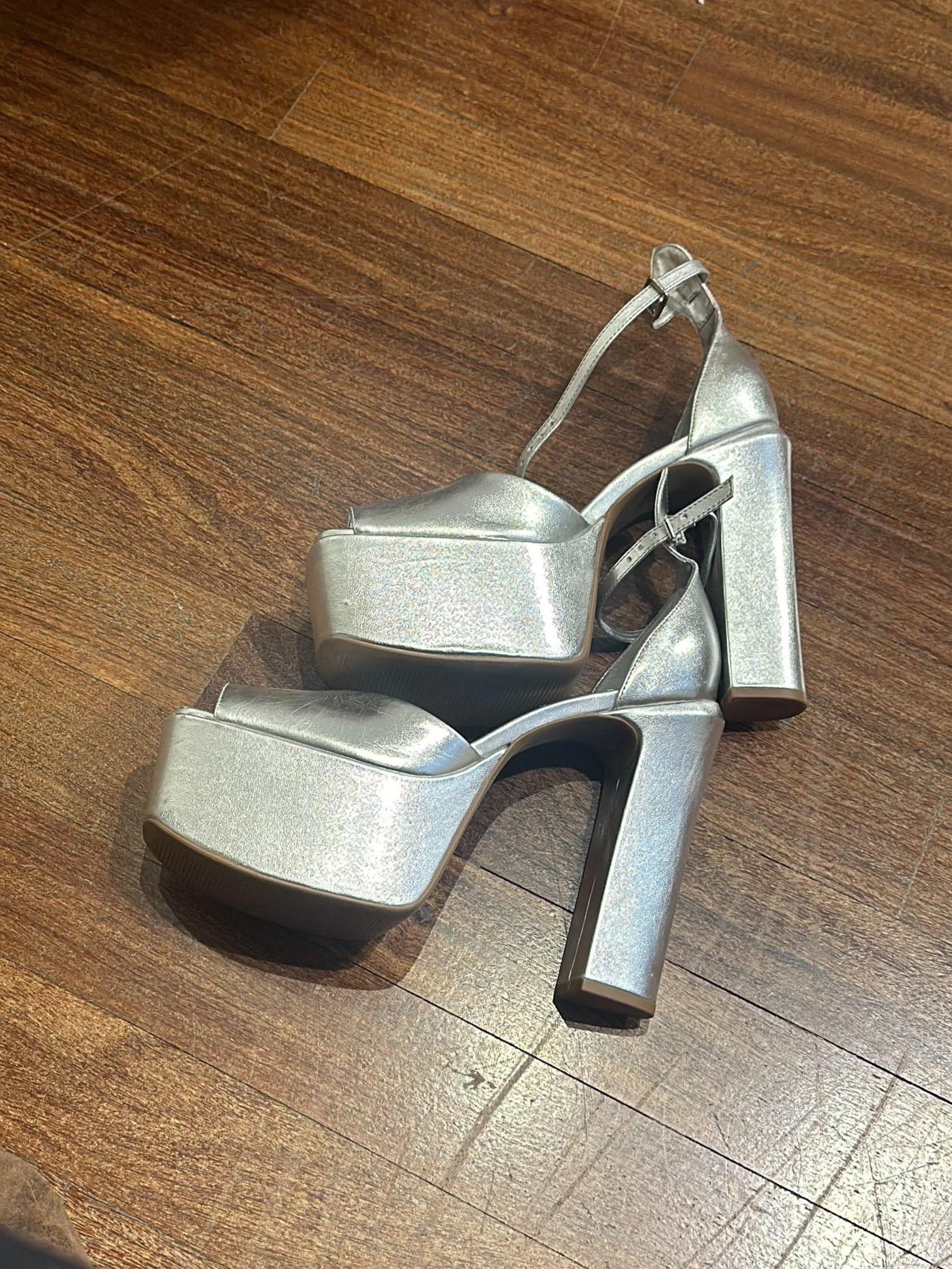
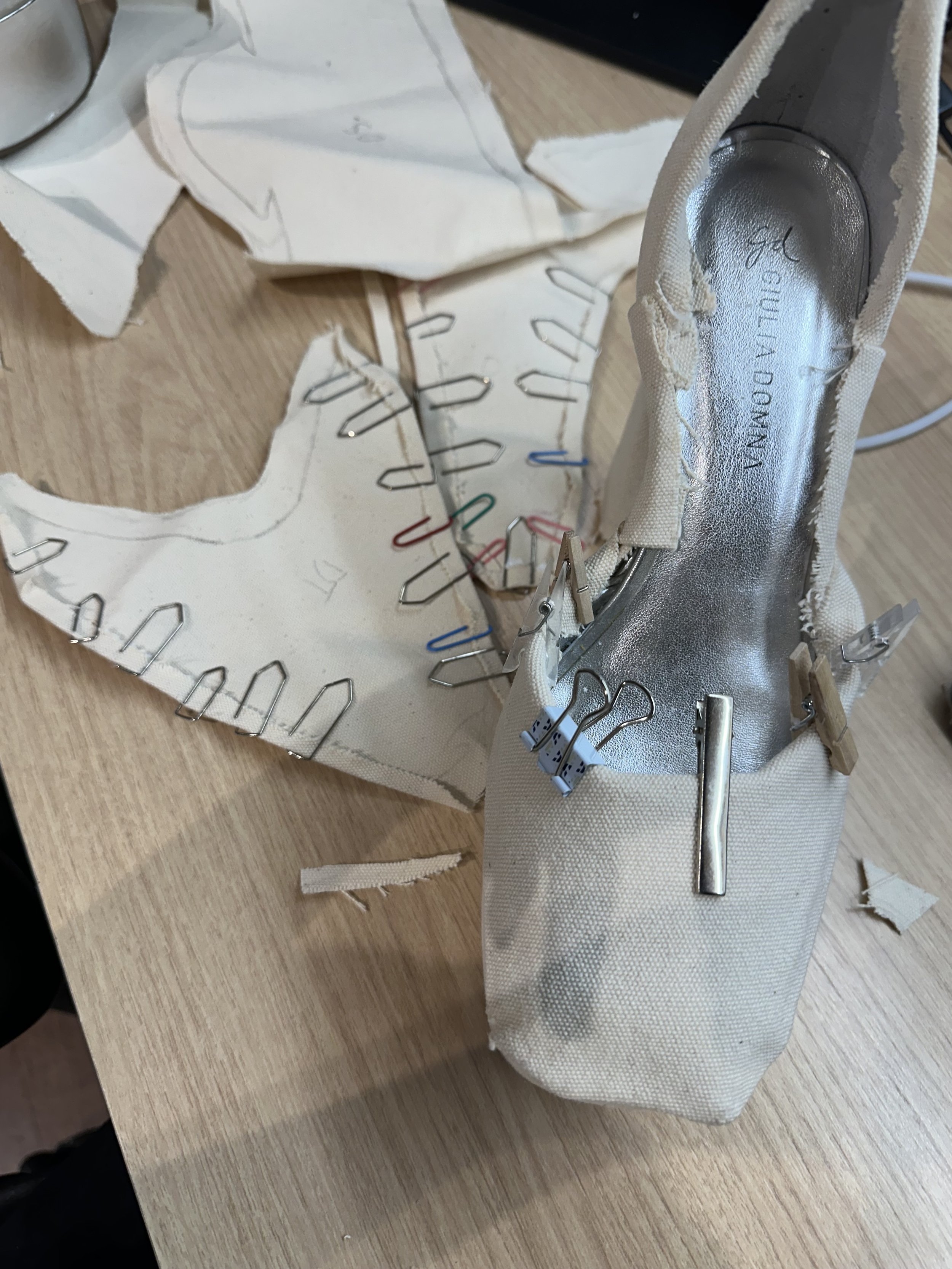
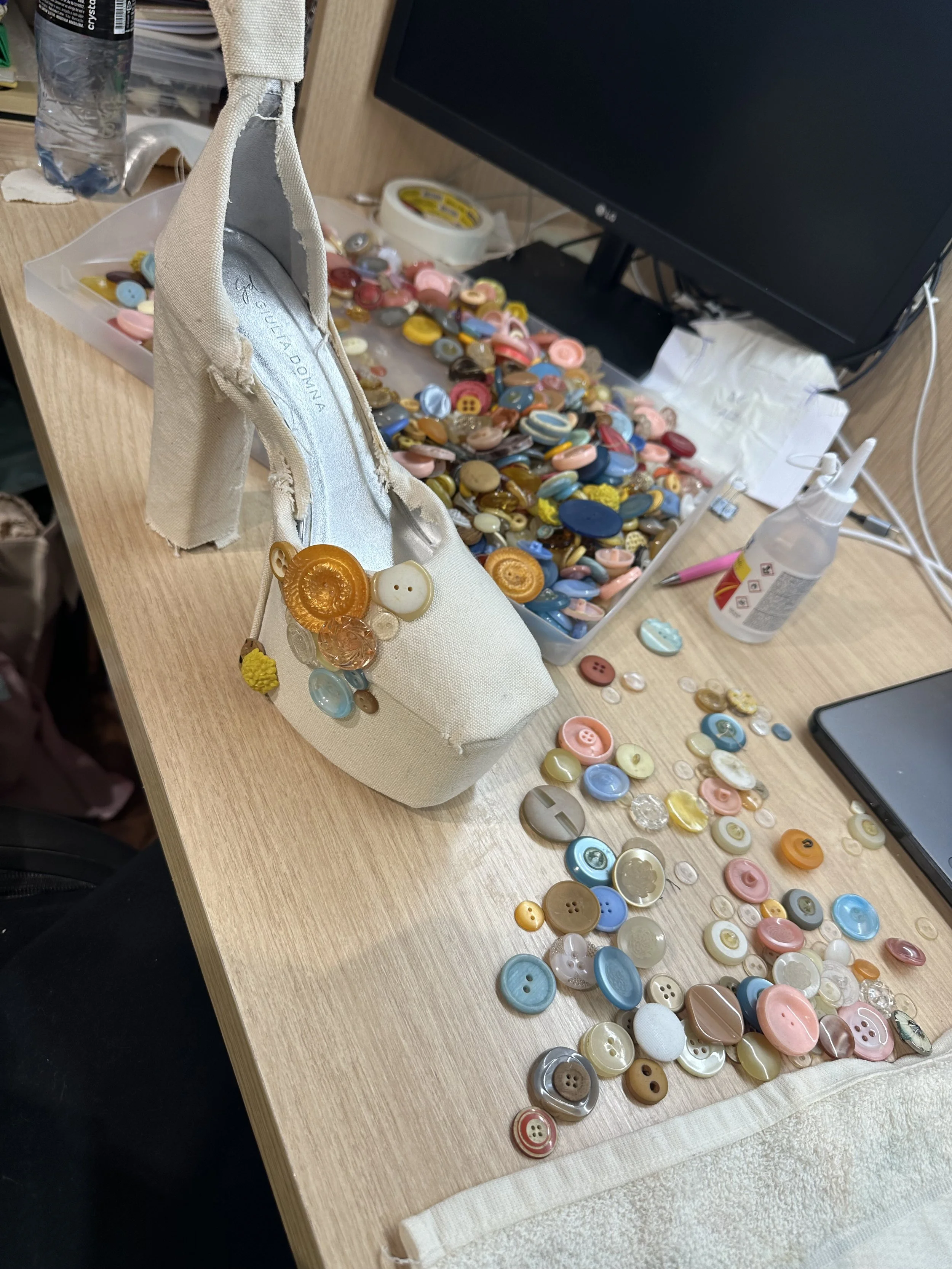
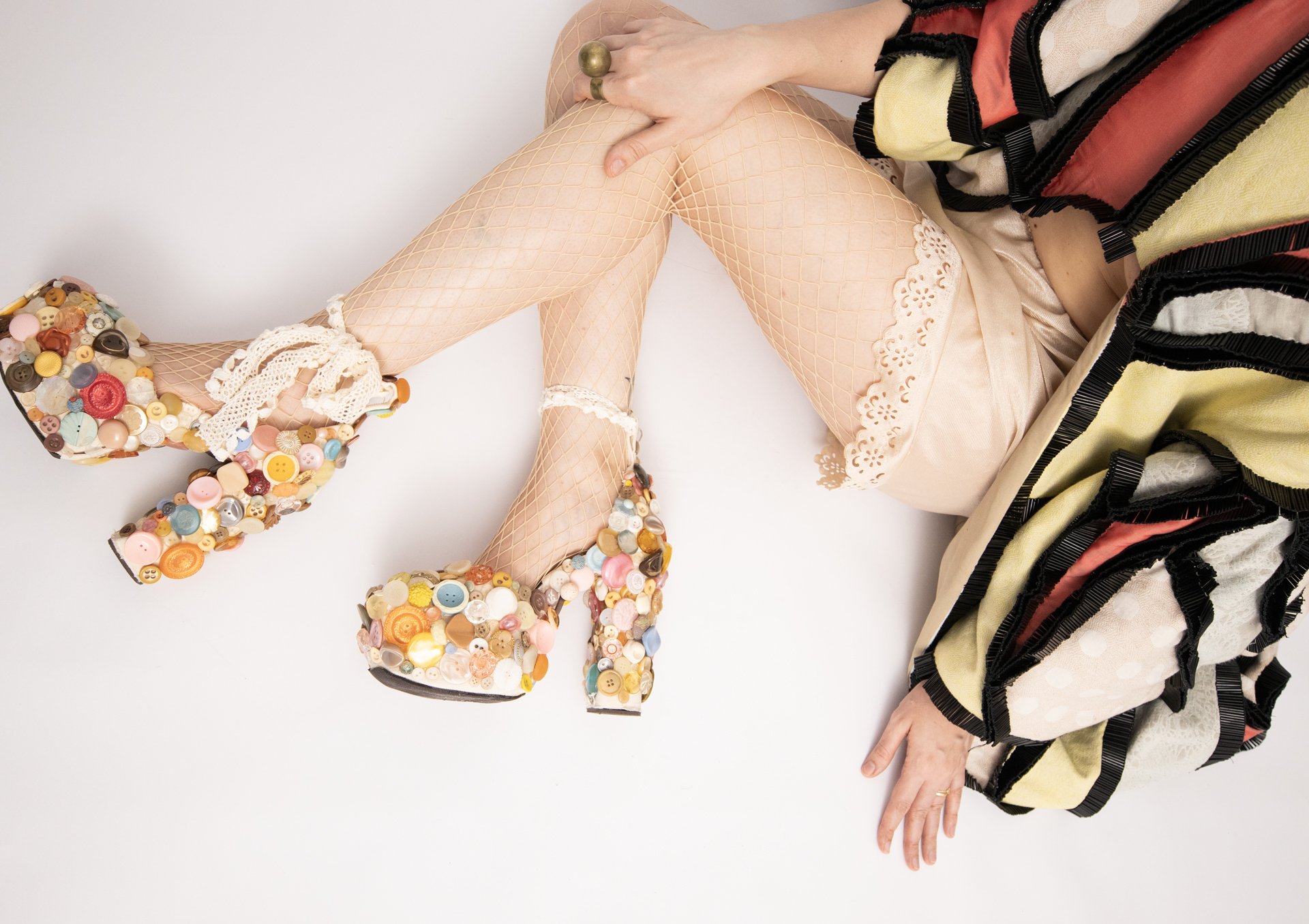
For the buttons shoe, I developed paper patterns based on the original structure and tested them in calico directly on the shoe to refine the fit. After securing the fabric, I covered the platform and heel by applying assorted buttons one by one, transforming the original shoe into a new piece.
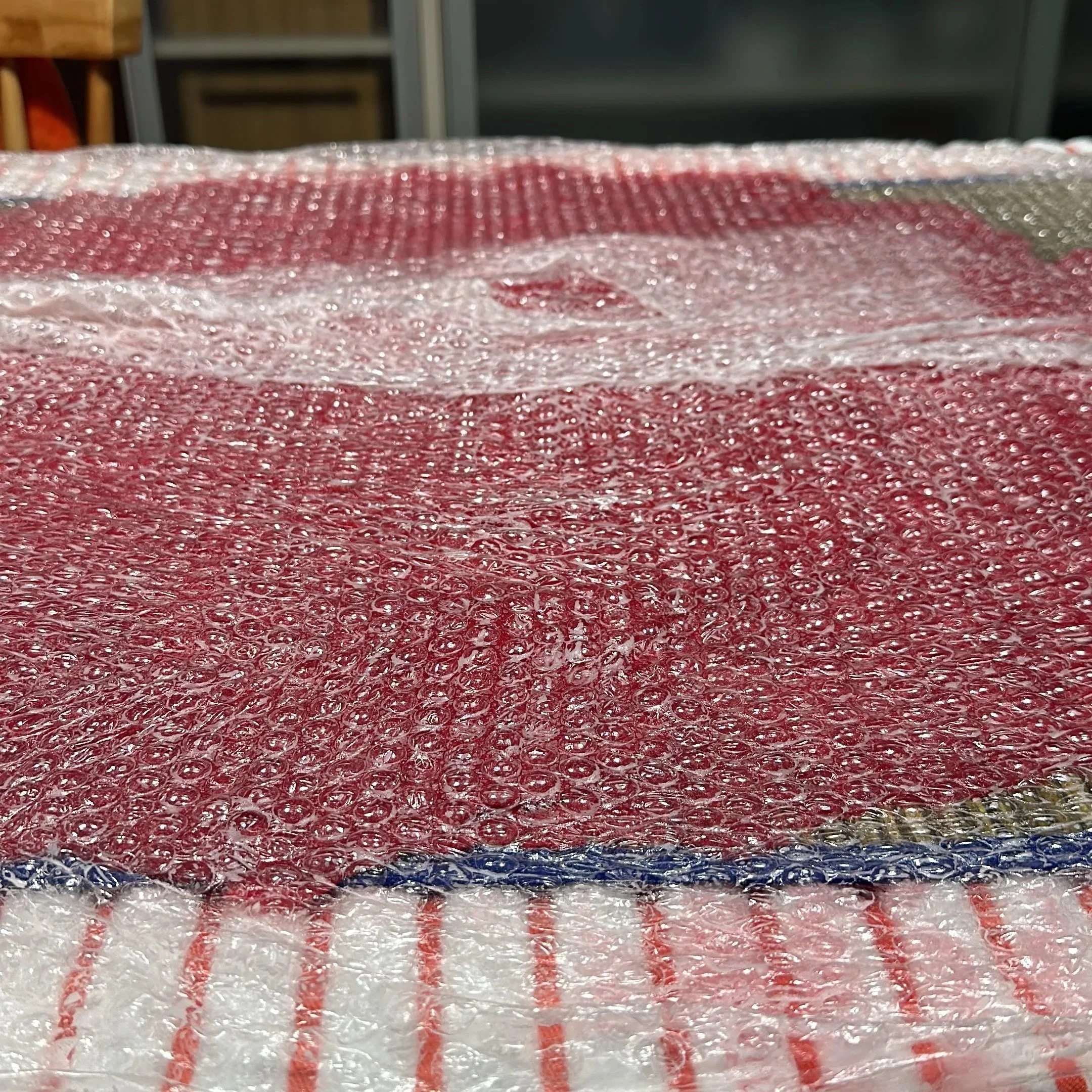
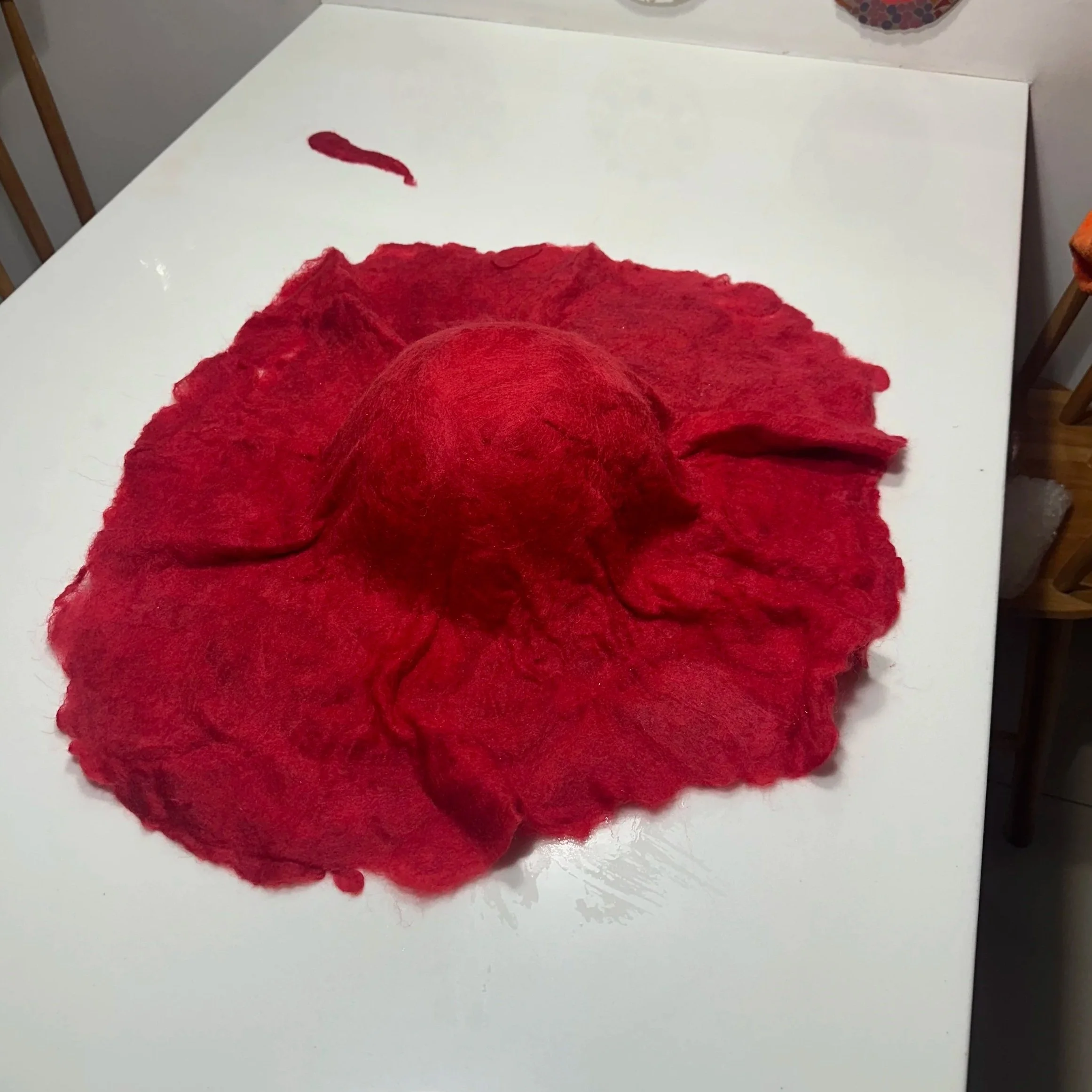
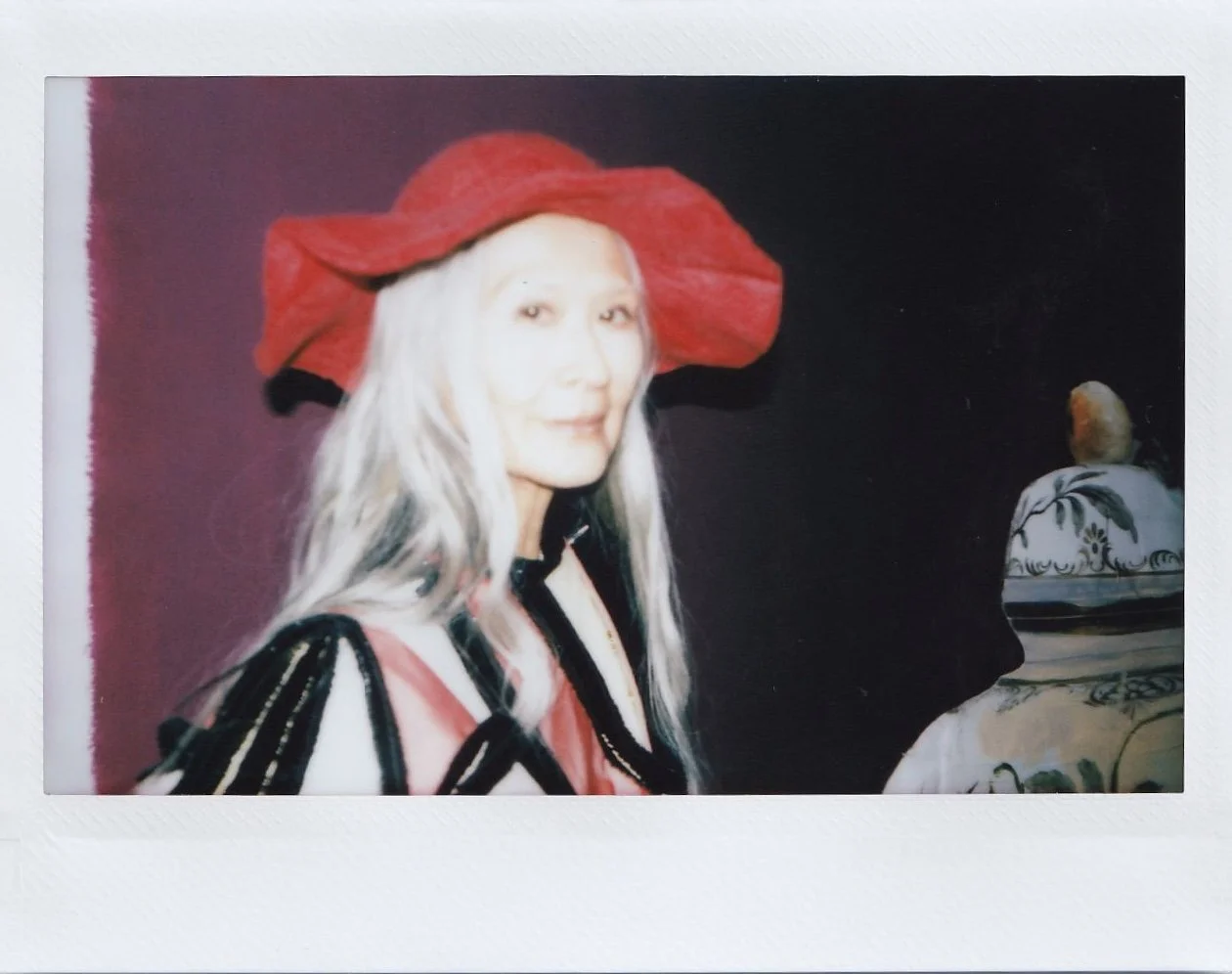
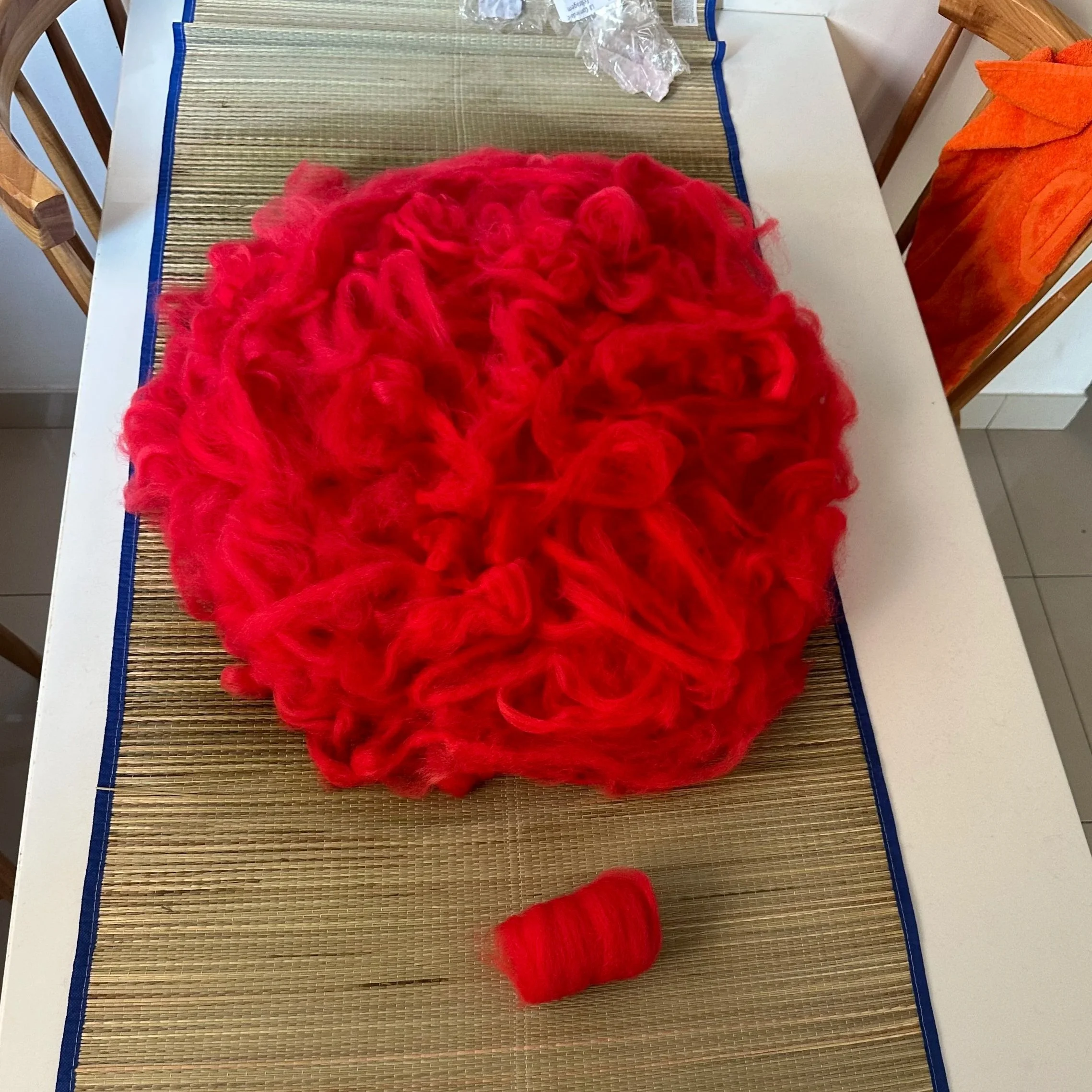
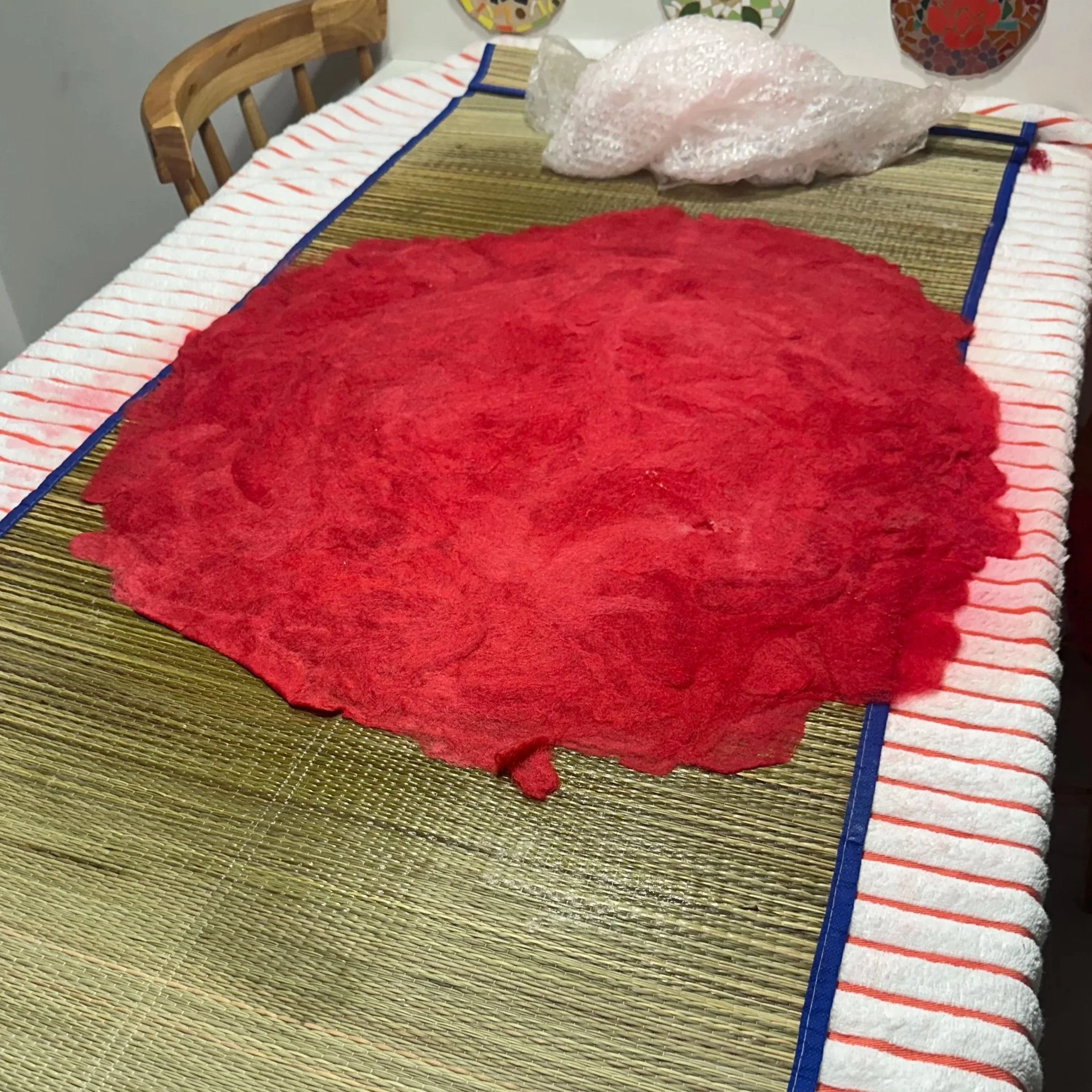
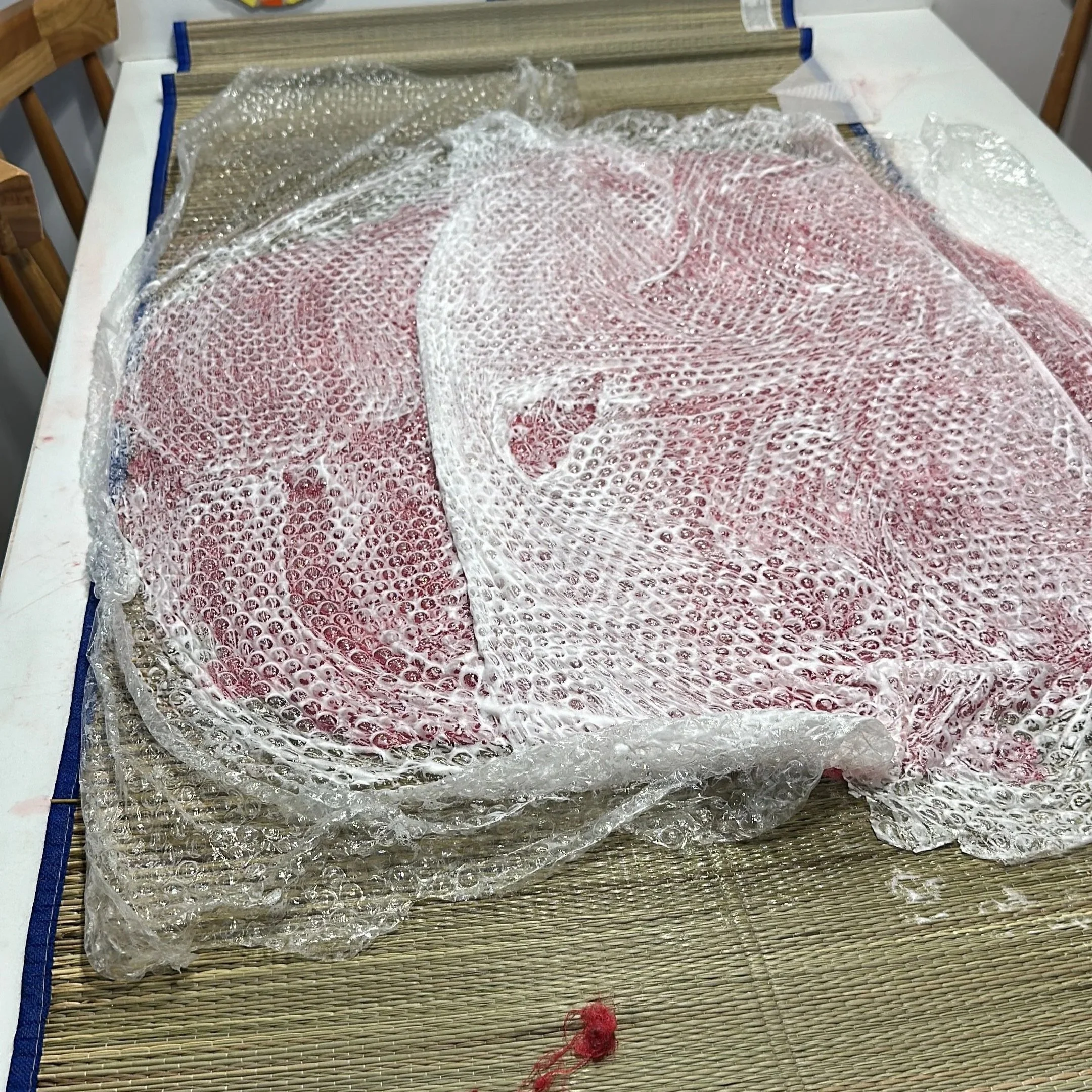
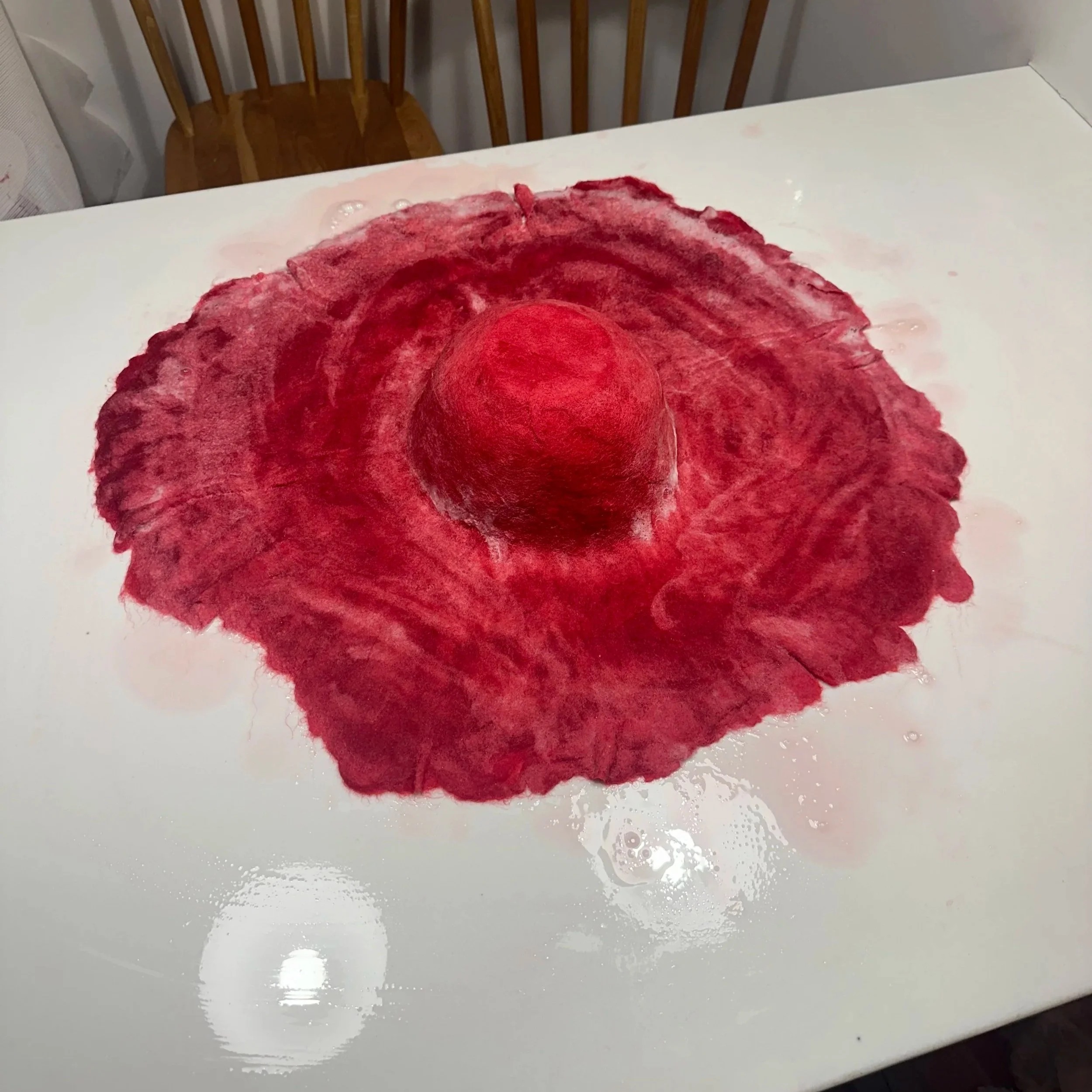
This hat was made through wet felting, using natural wool shaped with heat, moisture and pressure into a sculptural form. Hand-molded throughout the process, it balances softness and structure, acting both as an accessory and as an extension of the garment’s silhouette.
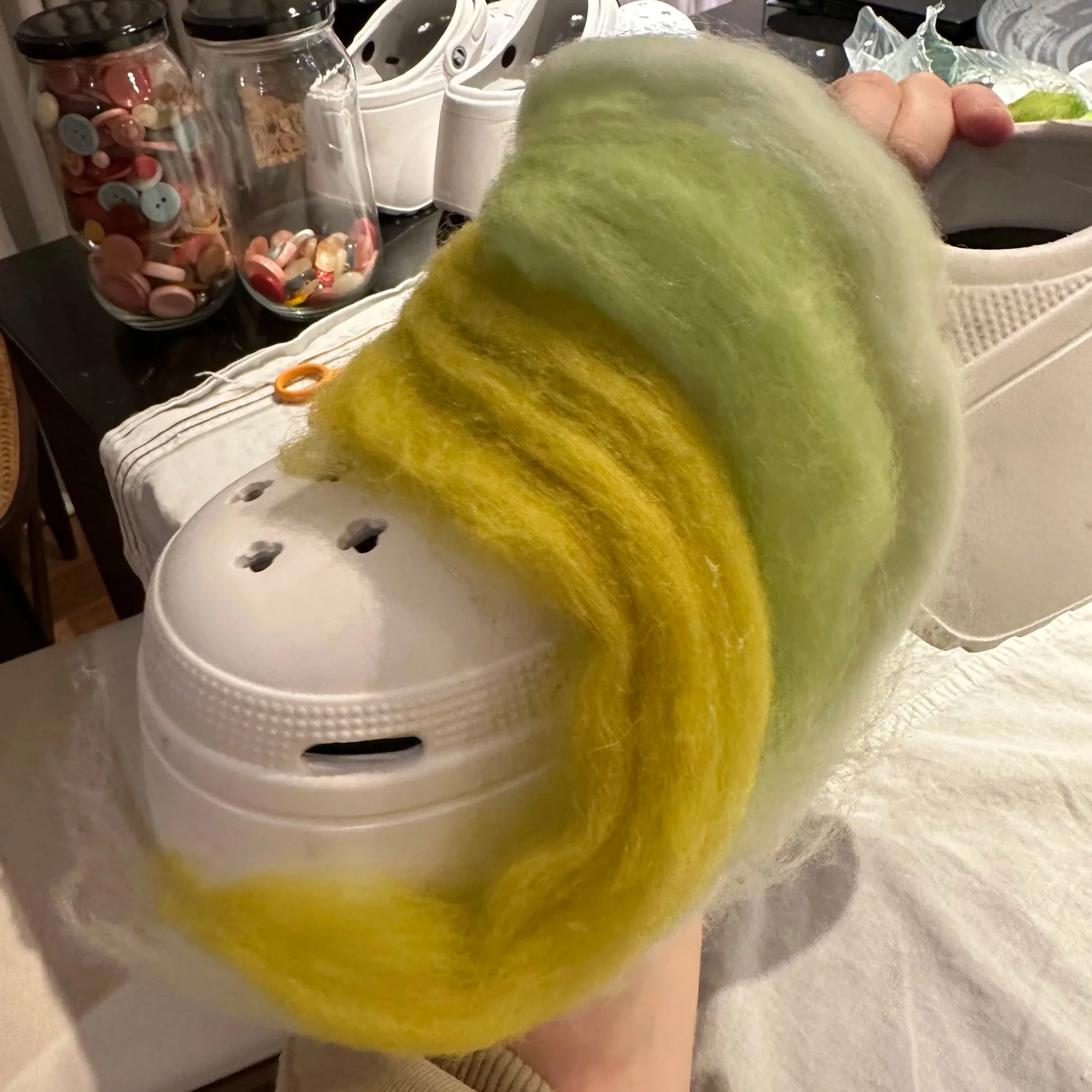
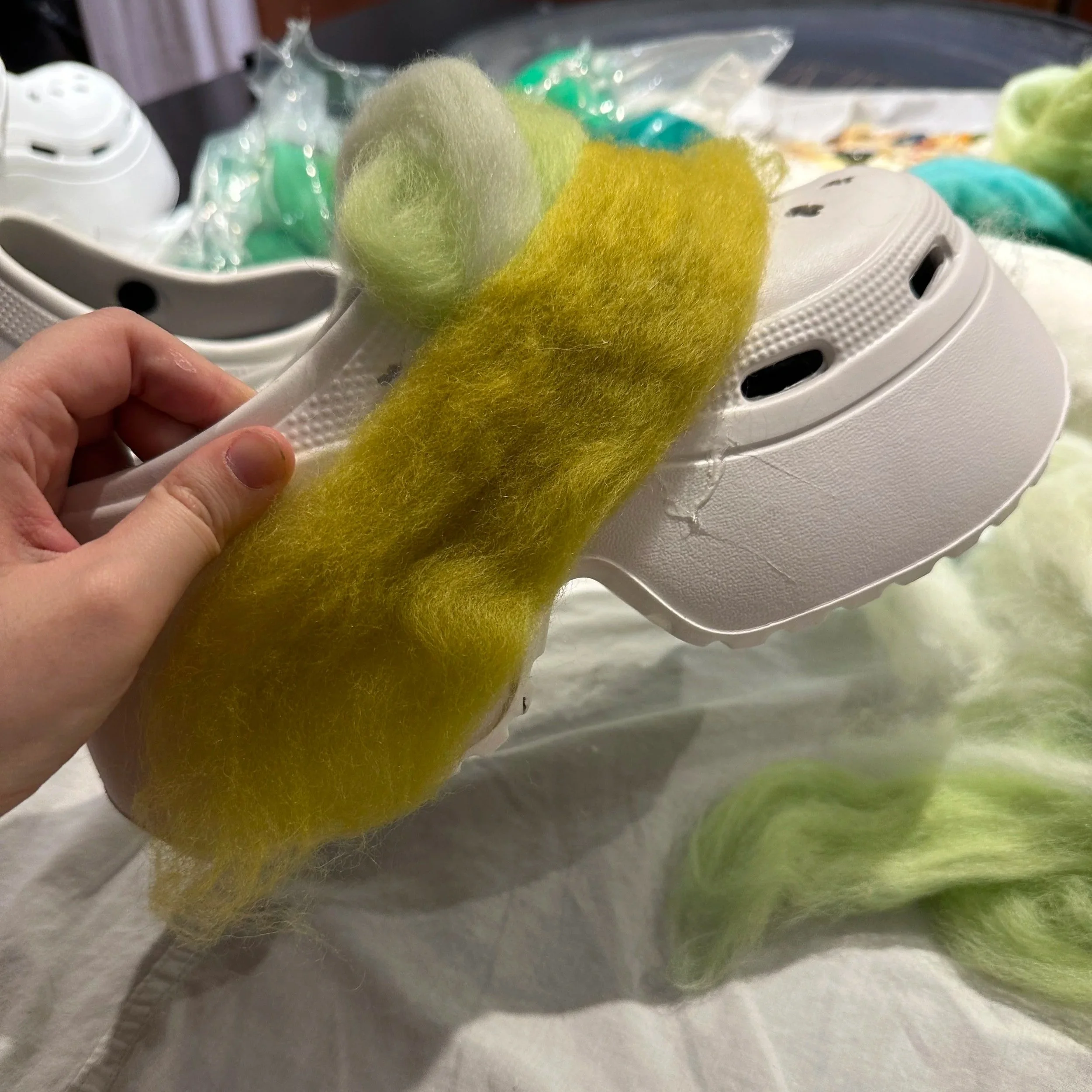
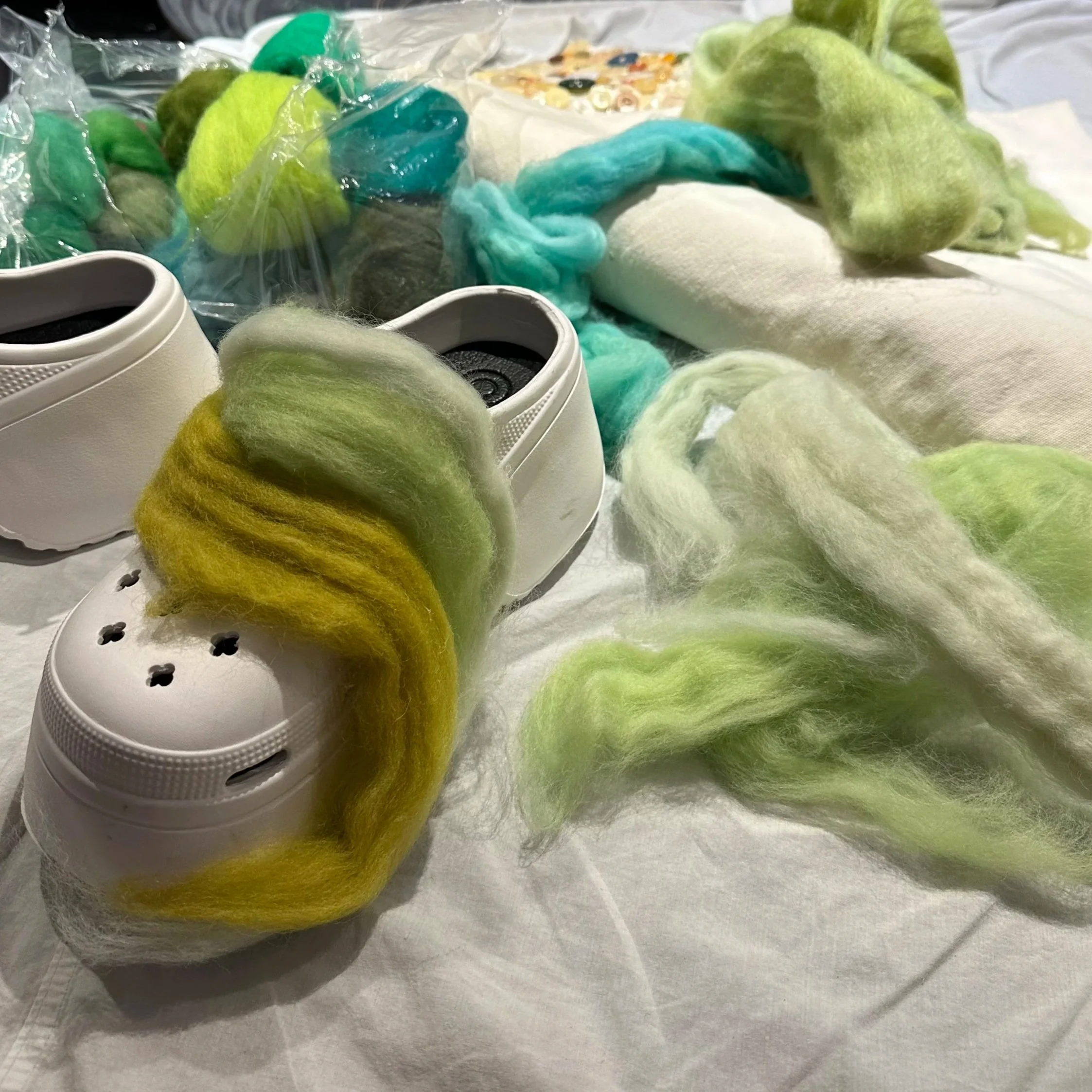
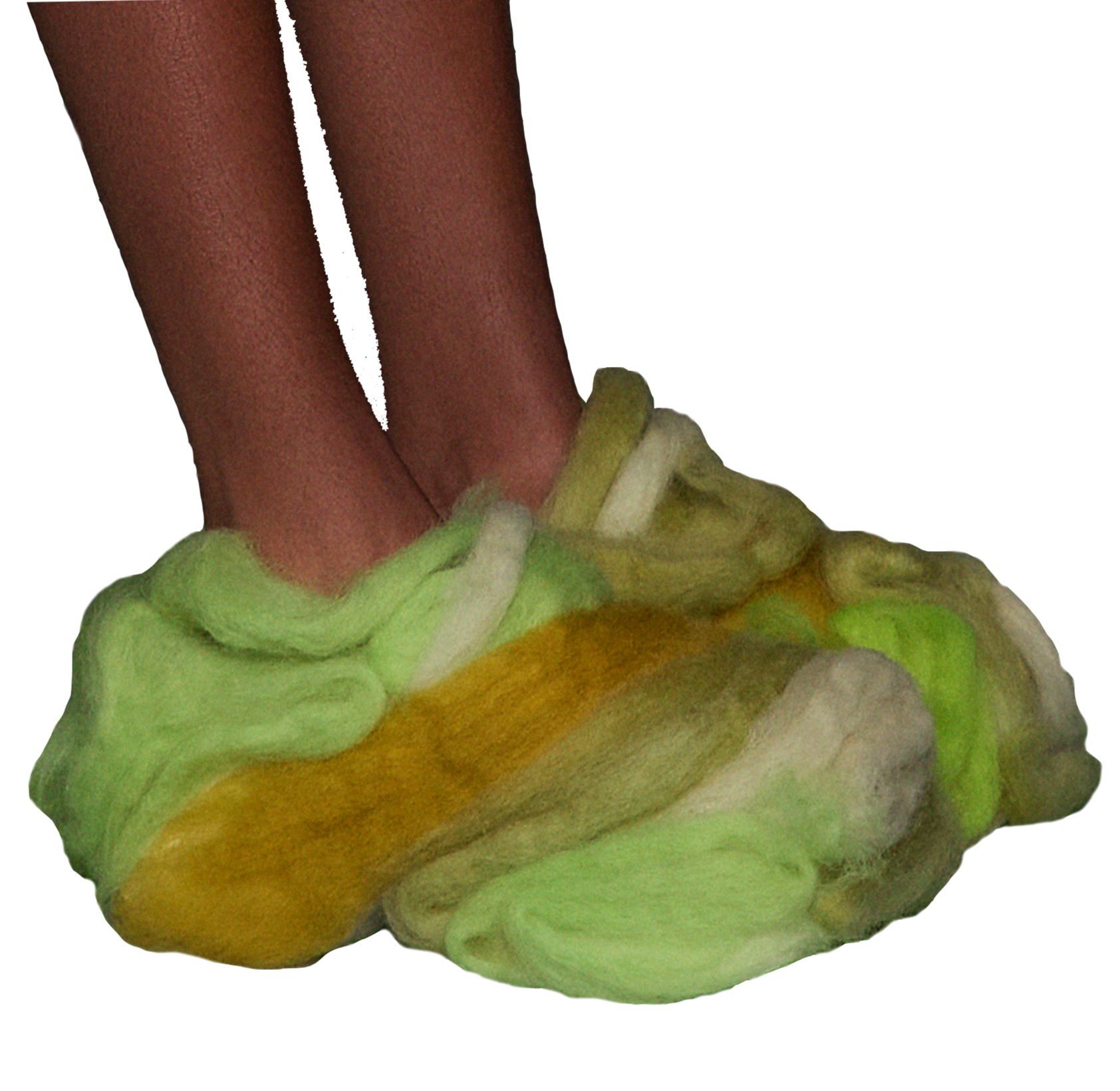
To add another layer of texture, I covered a clog-style shoe with loose wool fibers, shaping them into soft, cloud-like forms that resemble cotton candy. Made specifically for the photos, the piece feels somewhere between a shoe and a small sculptural object.
Please note that while the concept, design and initial textile manipulation samples were developed by me, I received assistance in constructing the final looks, as the entire collection was completed within a three-month period. This was in accordance with course regulations and is standard practice within the program.